

Dear readers — Kate here. Hopefully, you are reading this while nestled in a squashy arm chair, next to a roaring fire, deep in a Quality Street-induced haze. If that rather idealised image is a little unrealistic, please forgive me. I’m feeling incredibly warm and grateful as 2025 draws to a close. It’s been a big year for us at The Dispatch — our difficult second album of sorts. We’ve had to try and prove ourselves as a tiny team of two, amid the ongoing struggles facing local journalism and against the big dogs of the media industry.
But, as Sam and I recently reflected, these past 365 days have been overwhelmingly positive. We’ve broken big stories, investigated shady individuals, and delved deep into fascinating areas of Brummie cultural life that other papers just don’t seem to bother with. This year, we’ve also learnt a lot — lessons we will take with us into 2026, about how to deliver the best journalism possible to the readers who back us with your hearts and wallets.
There are exciting times ahead: not in the least the arrival of our third staff member, Madeleine, a brilliant reporter local to the West Midlands who you’ll get to know in January. Also, following some of our most widely read work this year, we will be doing a big push on investigative stories. Expect more digging from us, and keep those tip-offs coming in if there’s something you think we should be looking into.
With that in mind, we’ve rounded up the best Dispatch stories of 2025 below — these articles were shared widely, were given the nod by national papers and broadcasters, or forced powerful people to act as a result of our reporting. Most importantly, they got the biggest response from you, our readers. So all that’s left is to say a big, heartfelt thank you for your support, and look out for our first weekend read of the new year, this Saturday!
Enjoying this edition? You can get two totally free issues of The Dispatch — including our Monday news briefings and the weekend read you're perusing right now — every week by signing up to our regular mailing list. Just click the button below. No cost. Just old school local journalism.
The curious case of the missing councillor (May 2025)
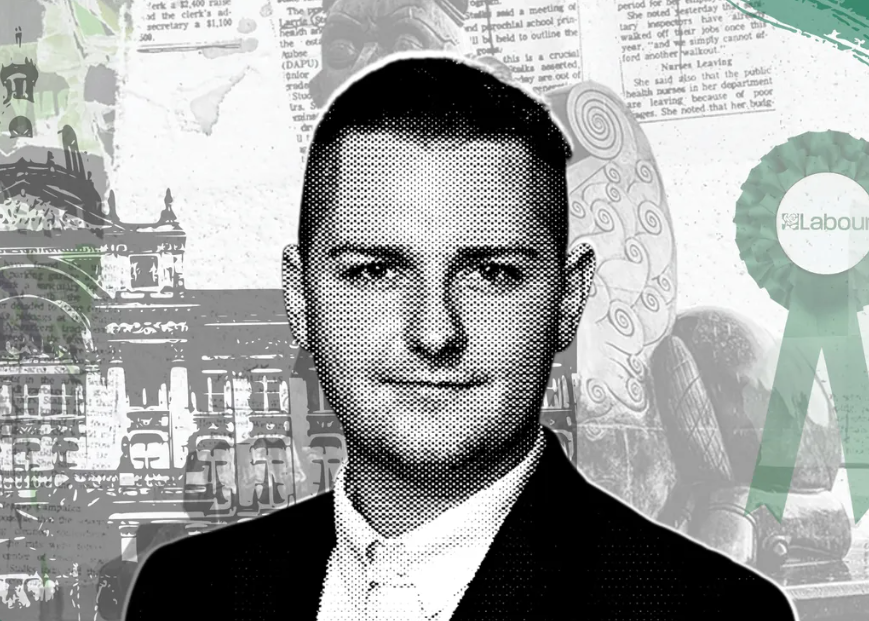
Cast your mind back to May, when the country was gearing up for the 80th anniversary of VE day. In Birmingham, we were reeling from the unexpected appearance of a ghost. The apparition was spotted at that month’s full meeting of the city council, taking the form of Labour member for Allens Cross, Jack Deakin. The the 27-year-old had resurfaced after a lengthy and unexplained absence from council duties — but he didn’t stay long: instead of sitting out the meeting, witnesses said he appeared, signed the registration book, then made a hasty exit, leading the Birmingham Conservatives to dub him a “ghost councillor”.
Deakin wasn’t only missing meetings, sources told us: he’d actually left Birmingham entirely and crossed over to another, distant and shadowy realm — also known as Leeds. According to insiders, Deakin was suffering from ill health but thanks to a lack of communication from either himself or the Labour party, frustrated constituents were none the wiser. We reported on the mysterious debacle, discovering that Labour had allegedly forbidden the young councillor to stand down, fearing that his seat would be snapped up by Reform in a by-election. Cut to December and — now the opportunity for said by-election has passed — Councillor Deakin has finally announced his resignation.
 Samuel McIlhagga
Manchester’s economy is leaving Birmingham behind (July 2025)

In July, our resident nerd Daniel Timms was poring over some newly released economic data about the UK regions. It’s the sort of mundane task that many of us don’t enjoy, but Daniel is adept at finding the gleaming needle in a vast haystack of numbers. And this rummage produced a really insightful story. Birmingham often gets compared unfavourably to Manchester but it isn’t always clear why the north western city has leapt ahead of ours over the last decade, attracting both investment and graduates at a rate of knots.
Whether you like it or not, it's undeniable: the city once known as Madchester simply has a certain je ne sais quoi. Now, the data laid bare some of the reasons why. Greater Manchester, it revealed, had benefitted from a steep rise in productivity, aka the value of the things workers produce, relative to the amount of time used to produce them. This is the holy grail, wrote Daniel, because: “when workers get more productive, everything gets better. People get paid more, because they’re doing more valuable work, and things cost less, because they’ve been produced more efficiently.”
Between 2007 and 2017, the rate of productivity in the West Midlands had actually been improving — we had even overtaken Greater Manchester — but since then we have slumped and they have soared. This is down to three key reasons: the decline in manufacturing in Solihull, the sluggish growth of the professional sector, and the fact that wealth has failed to spread to the areas surrounding Brum. Daniel was so on the nose, the mayor himself was prompted to pen his own article explaining what the WMCA is doing about it.
 Daniel Timms
Does this councillor know where his on-the-run criminal brother is? (September 2025)
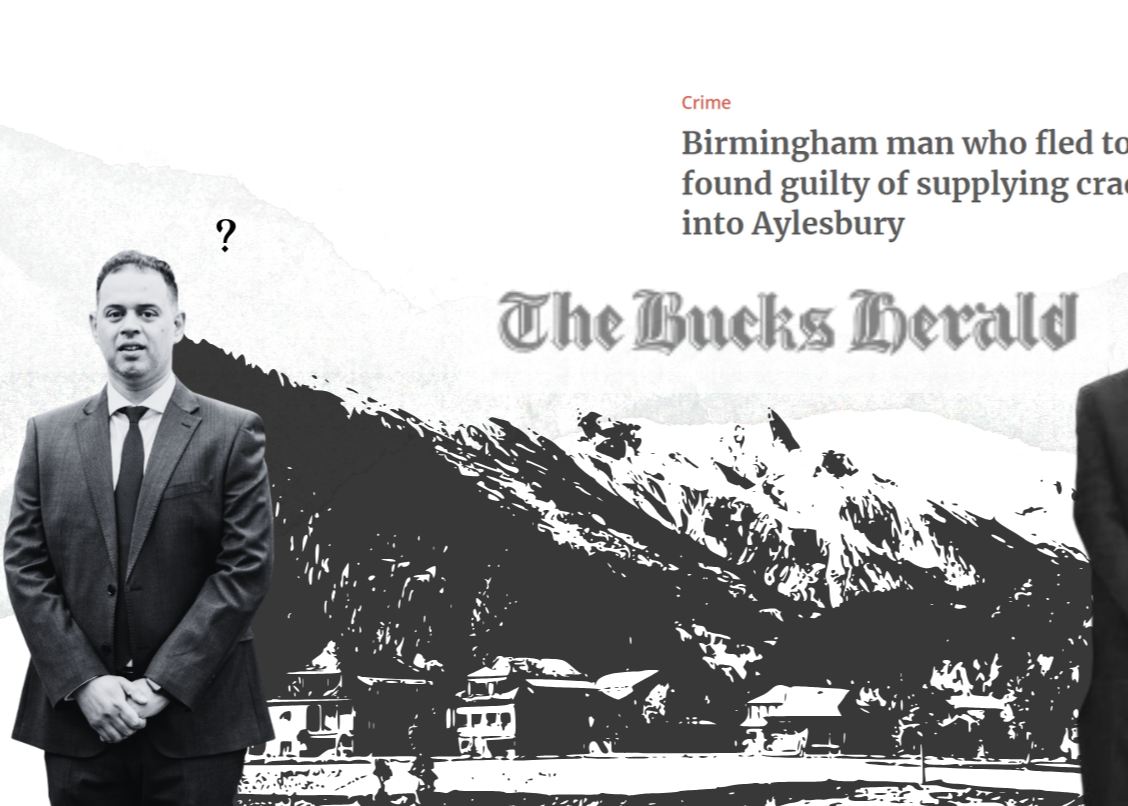
Some stories are short but powerful. This one exposed a sitting councillor visiting his fugitive brother, who was on the run after being accused of dealing crack cocaine and heroin to Buckinghamshire. We published photos showing Councillor Saqib Khan at his brother Fahan’s wedding in Kashmir in 2023 — several years after Aylesbury police had pulled Fahan over and found drugs and cash in the car. Apparently not concerned about dobbing his brother in it, Fahan told the cops his name was “Saqib”. During investigations, Fahan fled the country and last year was sentenced to more than four years in prison in absentia. After Fahan’s conviction, Thames Valley Police Detective Constable Laurie Twine asked anyone with information to call 101. He said Fahan “is now unable to return to the UK without facing a lengthy period in prison and we will work with other countries to ensure that he faces justice.”
While not responsible for his brother’s crimes, Saqib clearly possessed more information than he disclosed, while Fahan was under investigation by British police, raising questions about his suitability as a member of Birmingham city council. What’s more, Labour had selected him to stand again in the 2026 elections, despite an upheld claim of bullying against him. After The Dispatch’s story, which was picked up by the Daily Mail and Birmingham Live, Labour opened a short investigation, axing Khan from next year’s race.
 Birmingham Dispatch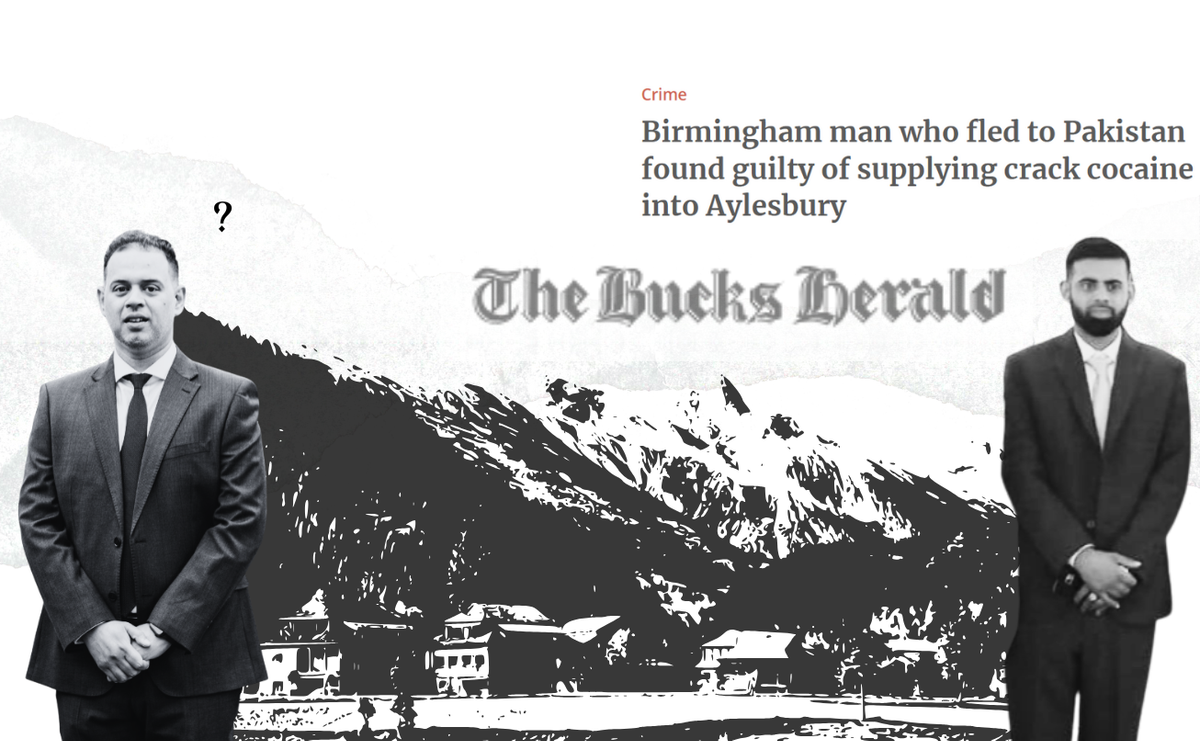
The headteacher’s missing receipts: how did a Selly Oak school get into £400,000 of debt? (September 2025)
The best stories often come to us in the form of tip-offs. This one came in an email from a very concerned parent with the subject line: “A topic for you to investigate?” They revealed that a group of former-parent governors to a little primary school in Selly Oak had been at war with the headteacher for nearly three years after raising questions about her management of school funds.
Raddlebarn Primary School was in debt by almost half-a-million pounds — far more than any other council-run school — and head Angela Lowry could not produce receipts for a number of unusual purchases on her school credit card. Pet expenses, a DJ, and a vehicle lease had all been put on the plastic meant to pay for kids’ stationary supplies. There was another figure on the scene who also raised eyebrows: David Bagley, a financial adviser brought in to oversee the school’s budget.
Our investigation found that Bagley had a poor track record with money, his former academy trust company having gone into liquidation with £900,000 of debt. We also got hold of an unredacted audit report which proved Lowry had asked staff to spend £300 at the bar Albert Schloss for a Christmas knees-up — something she had vehemently denied. Birmingham city council, however, sided with Lowry when she accused the governors of bullying.
Since our story was published, 100 parents signed a letter to the council to say they have no confidence in Lowry, while she’s gone on sick leave. An interim head “whose communication with parents has been brilliant”, says our original source, has taken her place — for now.
 Rhi Storer
Red flags: The non-existent company behind Brum’s Union Jacks (October 2025)
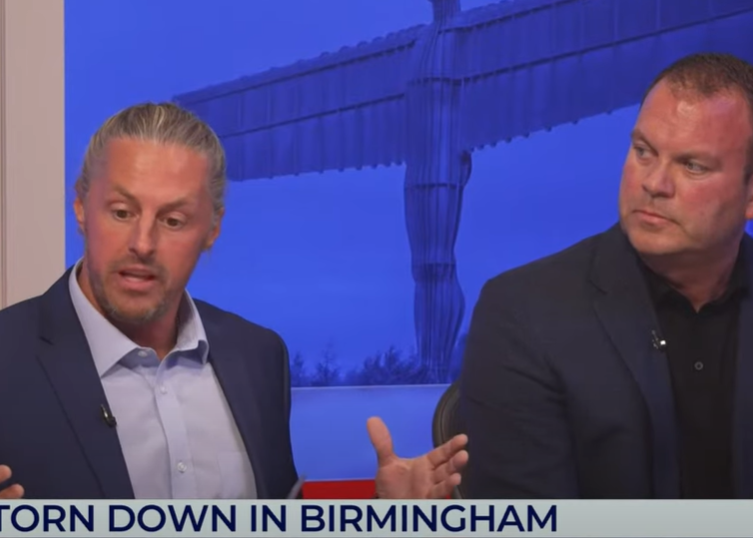
It’s hard to think of another story that has dominated the news like the national flags that have appeared across Britain this summer. In August, The Dispatch were the first to report on the flag’ origin in Weoley Castle, where a group of men called the Weoley Warriors had taken responsibility for starting the phenomenon, setting up a fundraiser to pay for them. Later, Andy Currien, who runs security for Britain First and used to be Tommy Robinson’s bodyguard, claimed he had begun the craze, calling it “Operation raise the colours’.
Then a third group emerged to take credit for the national expansion of flags. Confusingly calling themselves Raise the Colours (RTC), they were led by West Midlanders Ryan Bridge and Elliot Stanley. The duo — who called themselves ‘company directors’ of RTC — managed to bag themselves a GB News spot, where they complained of the backlash their flags had faced in neighbourhoods like Stirchley. But try as we might, we could not find any record of the company they claimed to run. What we did discover was that Bridge was one of eight people to be investigated by Spanish police in 2018, for allegedly running a food poisoning scam at several Magaluf hotels. More recently, the Mirror has revealed that lawyers representing three hotel groups want Bridge locked up for the alleged crimes. When we got him on the phone, Bridge told us the flag company was “100% legitimate” and promised to send proof. This never arrived.
As for the Magaluf fraud allegations? “Well, that’s nothing to do with what y–you either want to talk about flags or that, I mean this is mental.” This story got the attention of LBC bigwig presenter James O’Brien who called The Dispatch a “rather splendid local newspaper”. It also pleased our readers: “incredible journalism,” commented one subscriber.
 Kate Knowles
And a few special mentions…
Do also check out Dan Cave’s excellent article on class war in Stirchley, one of the pieces of work which earned him the best features writer gong at this year’s Midlands Press Awards.
Also, Kate’s feature on the iconic 80s band Au Pairs. They were the poster band for equality but 42 years on, they’re embroiled in a bitter row. BBC Radio 6’s Stuart Maconie gave us a shout-out for this one.
And finally, Sam’s deep dive on cult Midlands folk horror classic, Penda’s Fen, which received high praise from none other than the film’s writer, David Rudkin. “I appreciate it immensely,” he told The Dispatch.




Comments