

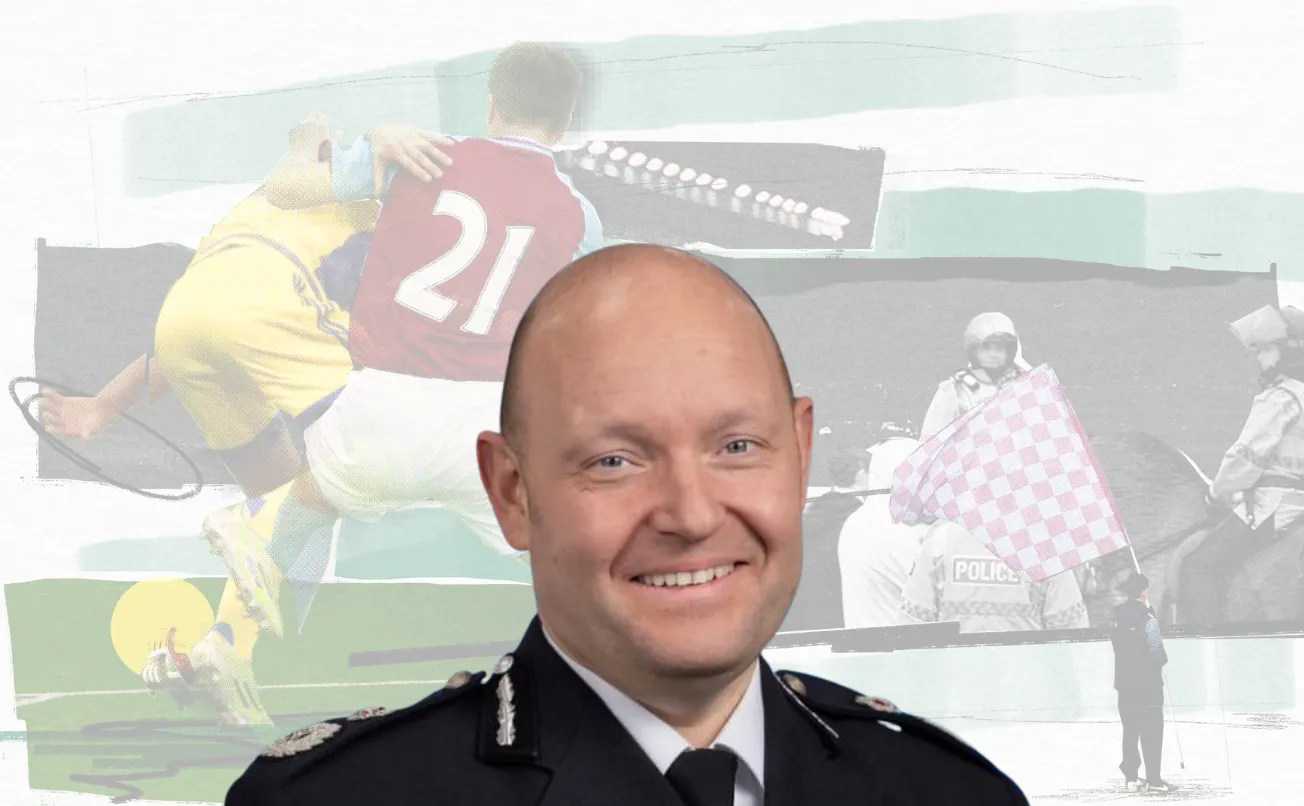
Dear readers, we know you were expecting the third and final instalment of our Birmingham and British fascism essay series this weekend. However, with police chief Craig Guildford's resignation on Friday, we thought you'd want a proper run down of how we got here. Fear not, essay number three will be with you next weekend. Happy reading.
In a meeting room in the austere cube that is Lloyd House, the atmosphere was frosty. About 60 Jewish residents were gathered at the West Midlands Police HQ in Birmingham city centre. The assistant chief constable Mike O’Hara appeared on a large screen, having beamed into the meeting remotely. His boss, chief constable Craig Guildford, was just visible on a video link in the corner of the meeting room.
It was Monday 20 October, and the residents were trying to understand why Birmingham’s Safety Advisory Group (SAG) had banned fans of the Israeli football team Maccabi Tel Aviv from attending a Europa League match at Villa Park scheduled for the following month. The decision had been made at the recommendation of the police. The Jewish attendees felt they had been invited to Lloyd House to discuss the issue too late, their views given far too little consideration.
“There was a clear anger in the room, for different reasons,” Michael Rowe, a lawyer and Conservative Party activist tells me. Not only had the police failed to approach the Jewish community before they made their recommendation, the evidence they were now providing to back up the ban was unsatisfactory.
Enjoying this edition? You can get two totally free issues of The Dispatch — including our Monday news briefings and the weekend read you're perusing right now — every week by signing up to our regular mailing list. Just click the button below. No cost. Just old school local journalism.
It rested largely on reports of riots in Amsterdam in November 2024, before and after a fixture between Maccabi and Ajax. Large crowds of Maccabi fans were seen chanting “death to Arabs”. Some vandalised taxis and one burnt a Palestine flag. Calls to mobilise against the hooligans, including antisemitic slurs and a chilling call out for a "Jew hunt", were posted online. Dutch Police held a meeting to discuss “the aggression of the Maccabi supporters and the reaction of taxi drivers to it”. A Maccabi supporter was forced into a canal by pro-Palestine locals. Seven people ended up in hospital, five of whom were Israelis.
In the Lloyd House meeting, Rowe was incredulous. Maccabi fans had been attacked in Amsterdam, so why should they now be banned in Birmingham? Plus, he demanded to know: “How can you set a precedent from just one match?”
Chief constable Craig Guildford didn't say much in the meeting, but he has been front and centre of the fallout for weeks. He and his subordinates were hauled to Westminster twice — once in December and once last week — to be grilled by a cross-party panel of MPs about how his force came to decide that banning one side from the game was appropriate.
The confrontation at police headquarters surfaced some of what would soon come under intense media and political scrutiny: process failures in the way the police gathered intelligence and sought community input.
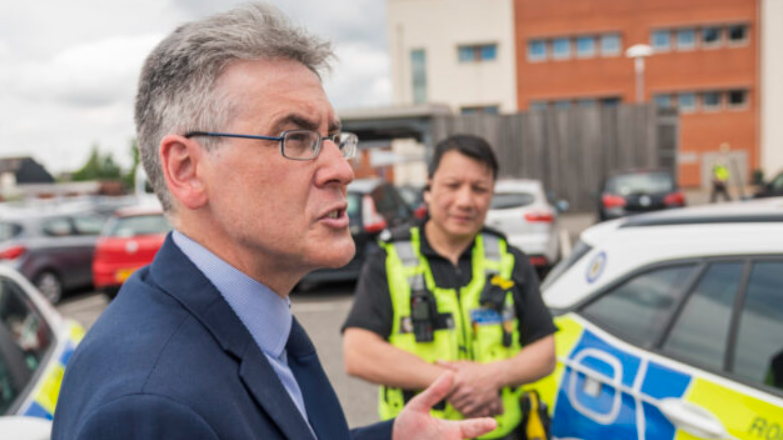
Early in the new year, O’Hara had to apologise for telling the Home Affairs committee that Jewish leaders in Birmingham had supported the ban, which was untrue. This week, more missteps have been revealed, not least the use of an AI tool to inform police decision making. A reference to a match between Maccabi Tel Aviv and West Ham that was cited in the police dossier of evidence was fictitious, the result of an AI “hallucination”. The match had never taken place.
The intensity reached a peak on Thursday, when the police chief inspector Sir Andy Cooke published a preliminary report on his probe of the West Midlands force’s actions prior to the ban. He determined that “confirmation bias” had played a part in its decision making and its presentation of the evidence to the SAG was “imbalanced”. He also concluded that the force “didn’t fully appreciate [...] the extent to which the national and international context would lead to far-reaching consequences”. He found “no evidence” that antisemitism played a part in their decision making.
On Friday, a day after both the home secretary Shabana Mahmood, and a spokesperson for No. 10 declared they had “no confidence” in him, Guildford announced his retirement. In his statement he was unapologetic, blaming the “political and media frenzy”. Stepping down, he said, “is in the best interests of the organisation, myself and my family.”
At 52, Guildford is a white, stocky man with no hair and a no-nonsense Lancashire burr. He began his career in 1992 as a constable in Cheshire and over the next 20 years moved up the ranks to superintendent, with a stint at the National Crime Squad in Manchester in between. Assistant chief constable and chief constable posts in West Yorkshire and Nottingham respectively followed. In 2022, Guildford got the top policing job in the West Midlands where he was determined to make his mark.
“It’s a very rewarding position; it’s a very demanding position,” he told the presenter of a policing career advice podcast called Rank Success, a year ago. “But it’s one which enables you to influence on a significant scale.” During his tenure, his highlights included yanking the force out of special measures in record time, and overseeing a 6% drop in knife crime.
But a less flattering portrait of the former-chief constable has recently emerged. A former chief inspector of West Midlands Police, Kizra Bano, has accused Guildford of bullying. She also claims that she warned officials not to reappoint him in December 2024 after he took a short period of leave in order to protect his pension. “They didn’t take any notice of me,” she told The Times.
Many have welcomed his departure. The Board of Deputies of British Jews said it was “grateful and ready to work” with Guildford’s successors. Rowe, unsatisfied with the chief’s retirement, says Guildford should have been sacked. A host of MPs have called for his boss, West Midlands Labour police and crime commissioner Simon Foster, to go too.
Others are troubled by the news. “It’s a sad day for Birmingham,” a local Muslim community organiser told The Dispatch. “Craig Guildford [was] a bit of an unorthodox chief constable but he’s done really good stuff since coming to the West Midlands”. The organiser doesn’t want to be named because of the potential backlash but says that, until the match, he was impressed with the way Guildford engaged different communities across Birmingham.
This was especially true since 7 October 2023, when Hamas attacked Israeli civilians, prompting a massive Israeli military response in Gaza. Since then, says the organiser, West Midlands Police have “been having regular meetings with the Jewish community and the Muslim community, so that everyone has their say and it is impartial”. Rowe confirms the police outreach.
On the Maccabi ban, the community organiser accepts that “the police made some major blunders”. He was surprised by the ban and, had the tables been turned, says he would have asked the same questions as the Jewish community did. But, he adds: “we were quite afraid of what the Maccabi Tel Aviv fans would do based on the social media images and videos from Amsterdam, so I'd be lying that we hadn’t welcomed the ban, despite not calling for it.”
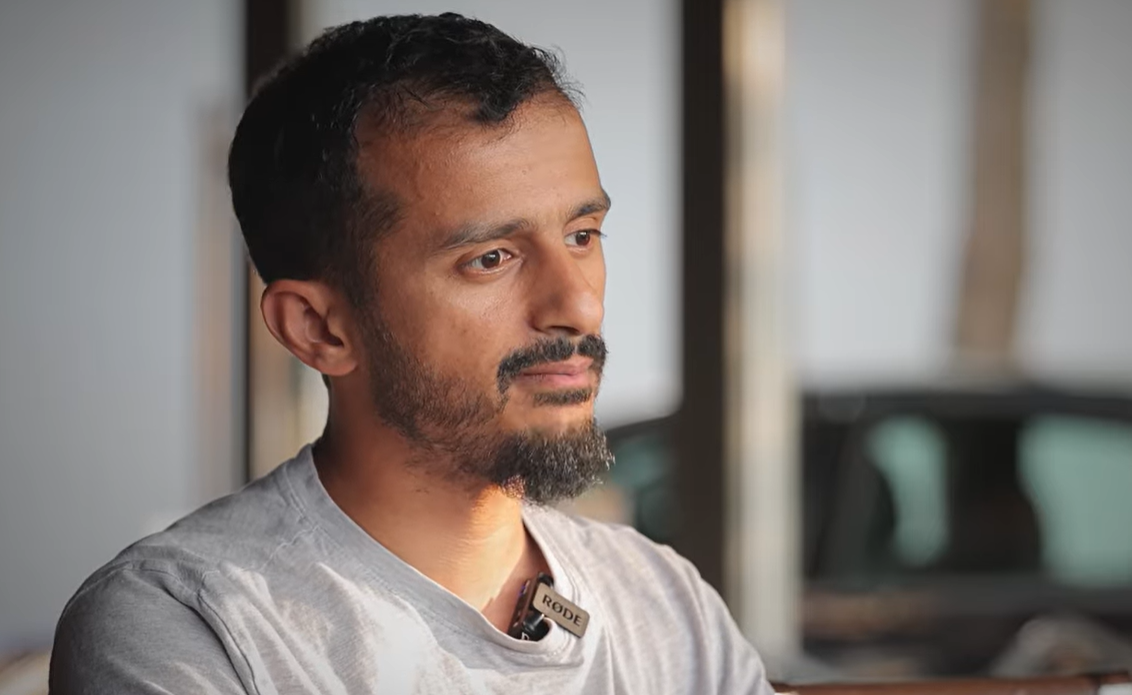
Abdullah Saif, a community activist who campaigned against the match going ahead, says he expected the backlash to a degree. “From a PR level, [the ban] was bad for Israel and that’s the elephant in the room here,” he says. “In a practical way [the ban] was about safety but this whole situation has a geo-political angle to it. From the moment the decision was made, it was like ‘heads must roll’.”
In October, Rowe and the other Jewish attendees weren’t yet aware of many of the details that have now emerged. Particularly shocking to him are reports of extreme antisemitic views held by people associated with three of the Muslim groups who the police were in touch with. To his mind, the ban was the result of the police communicating with these groups.
Cooke has said his inspection isn’t over. For now, acting chief constable Scott Green has replaced Guildford. Foster, whose role like all other police and crime commissioners will be scrapped in 2028, remains in post and will oversee the selection of Guildford’s successor at Lloyd House.
If someone forwarded you this newsletter, click here to sign up to get quality local journalism in your inbox.
19/01/2025 Correction & clarification: an earlier version of this article referred to the assistant chief constable as Tom O'Hara not Mike O'Hara which is correct. We have also made it clearer, in the opening paragraph, that O'Hara attended the meeting via video link. In the paragraph about the riots in Amsterdam in 2024, we have made it clearer that some of the attacks were motivated by antisemitism.





Comments