


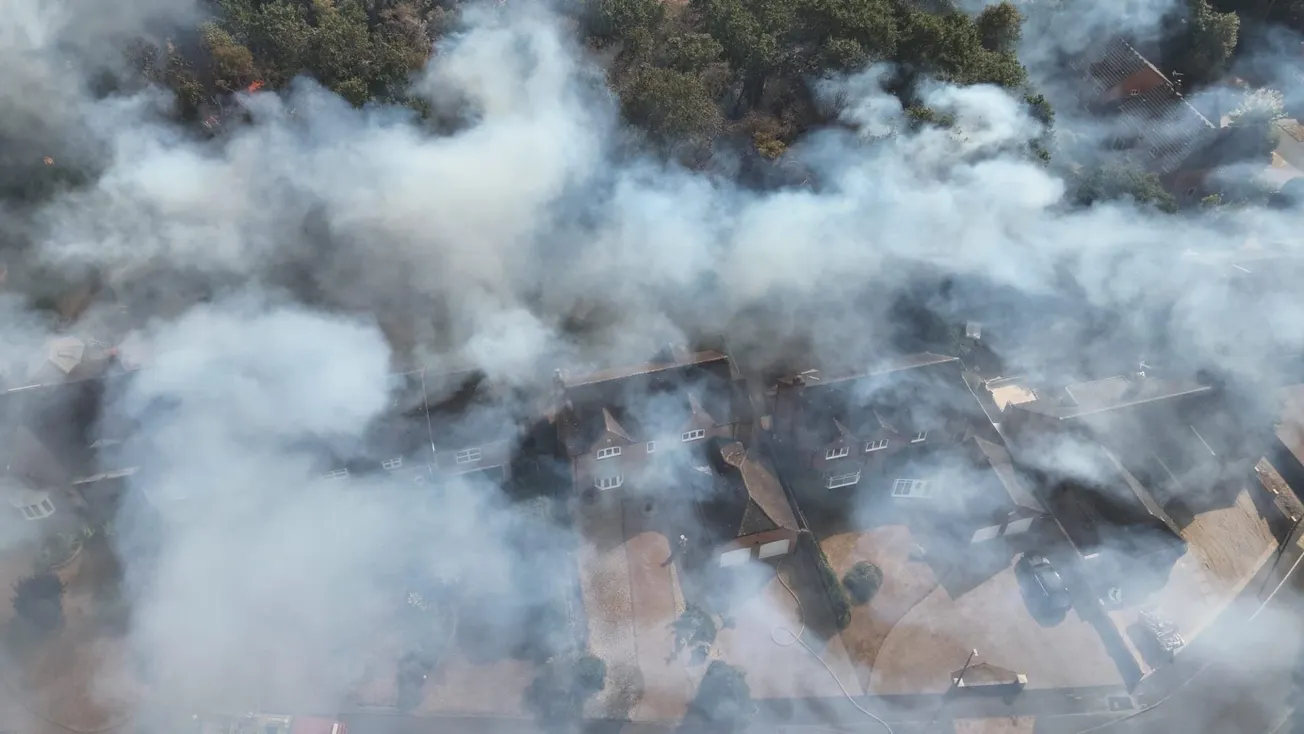
Dear readers — the fires in Stourbridge this week, which have left 19 homes gutted, drawing comparisons to "Armageddon" and an “apocalypse”, have become a major national story. To most (if not quite all) the culprit seems obvious: our rapidly-changing climate. Which raises the question. Is what we’ve seen in Stourbridge going to repeat and worsen as our summers get hotter? And if so, what are we meant to do about it?
Win your FPL mini-league in 2026/27
The Premier League kicks off again on Friday, which means fantasy football players everywhere are putting the finishing touches on their squads. If you want to leave your friends and family in the dust this season, then sign up for free to LazyFPL: a short weekly newsletter that arrives 24 hours before each FPL deadline, packed with the essential info you need. It includes injuries, favourable fixtures and chip strategies, meaning you can make the best changes without doing hours of research.
All that, and it's a good read to boot. Click that button below to sign up for free.
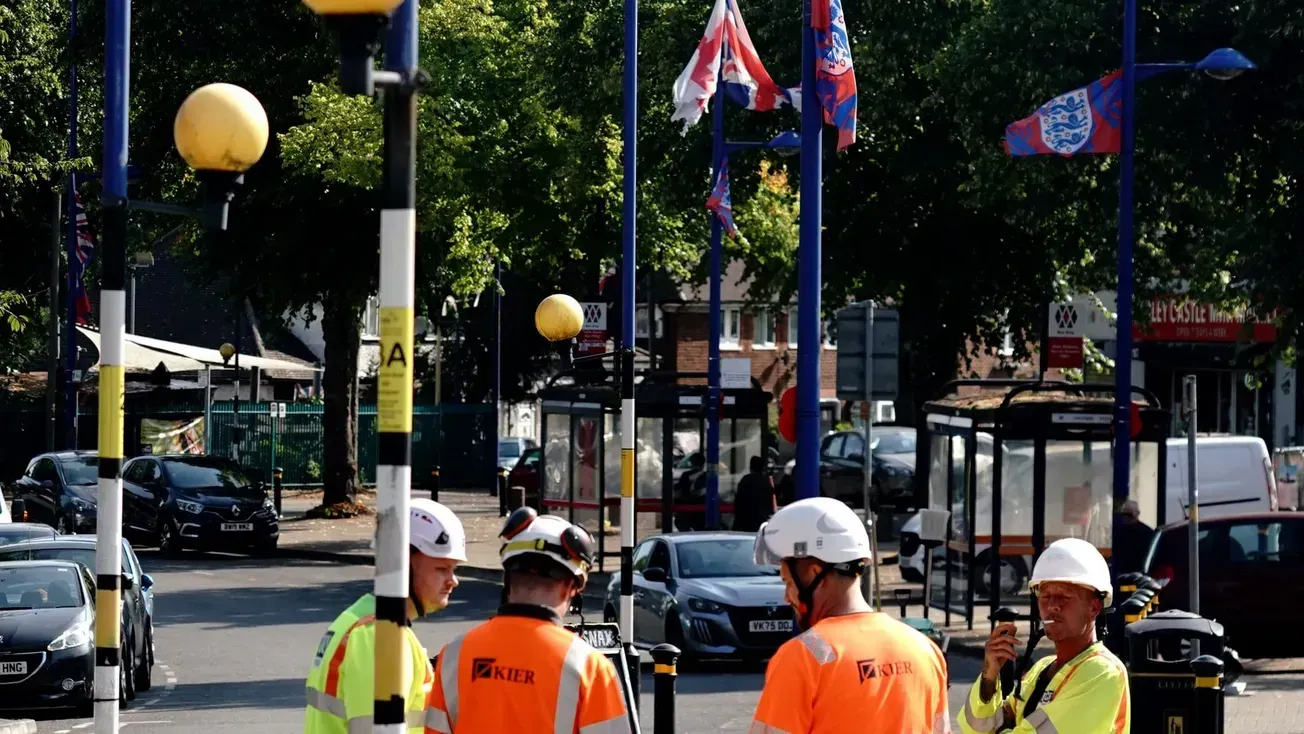
Strolling through Stourbridge town centre on Friday morning, it isn’t immediately obvious that anything bad has happened. It certainly isn’t obvious that this is where so-called “apocalyptic scenes” have been playing out, the subject of international headlines and grave warnings about the future of the planet. Sunny High Street is bustling with workers, people stopping in doorways to chat. A couple of men are even sitting outside the Chequers Inn, sipping their first pints of the day.
But as I tail-gait a woman in high heels towards the Town Hall, I pick up on some of the conversations happening around me, including words like “evacuated”, “terrifying”, and “emergency”. It is the unmistakable murmur a town makes when something out of the ordinary has occurred.
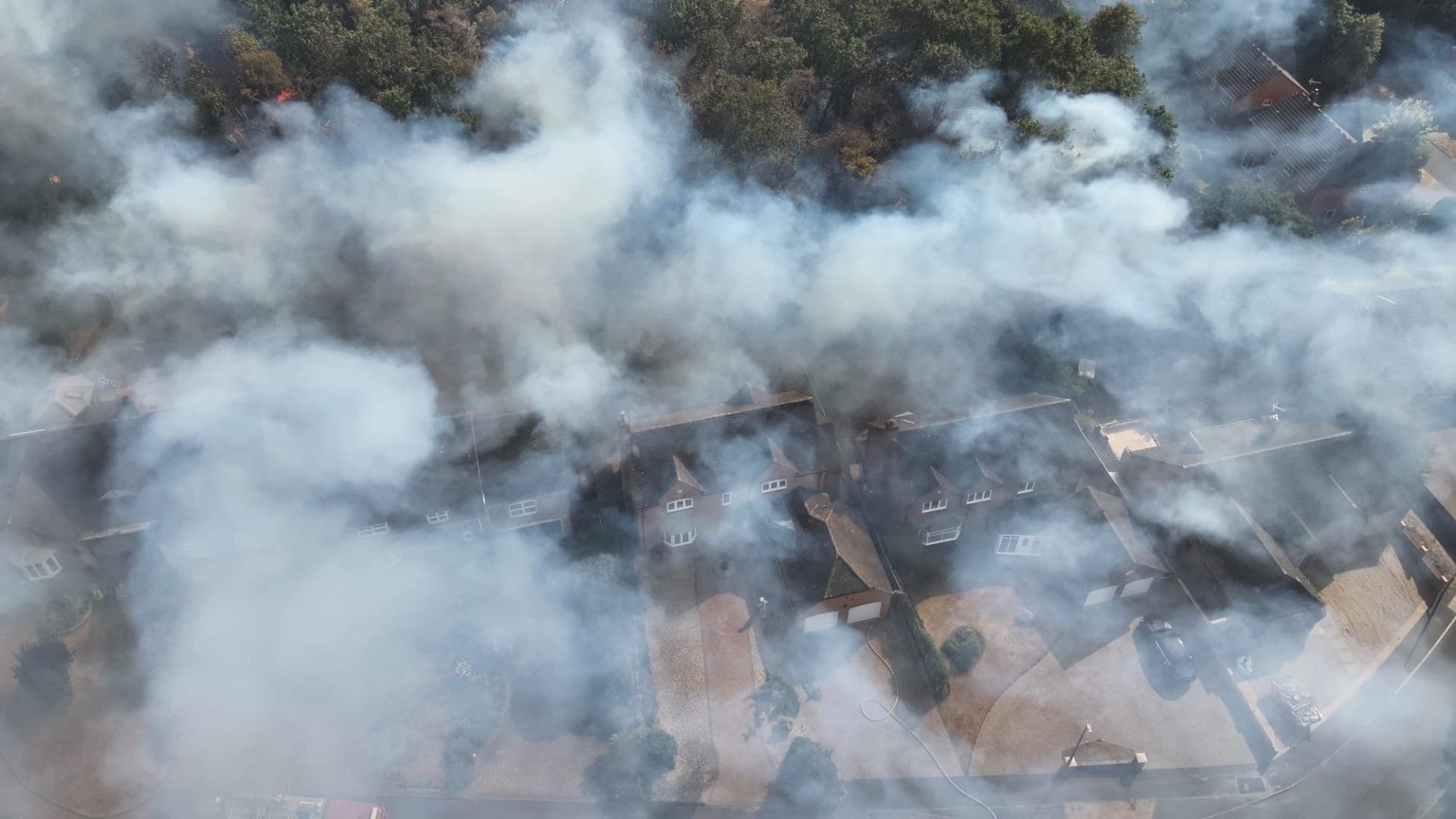
At 1.30pm the previous day, 60 officers from the West Midlands Fire Service attended a large grass fire at Stourbridge Golf Course. Within two hours, six nearby properties and 40 acres of land were under threat. Videos of giant plumes of sooty smoke were circulating widely online.
By 7.30pm, at least seven of the roads surrounding the golf course had been closed. Three firefighters and a child were in hospital, while six more people had been treated for smoke inhalation. Hundreds had to leave their homes, 19 of which were completely destroyed. The Town Hall was now doubling up as a rest centre for the moorless. A resident of the town told the Guardian it was among the “scariest days of my life”.
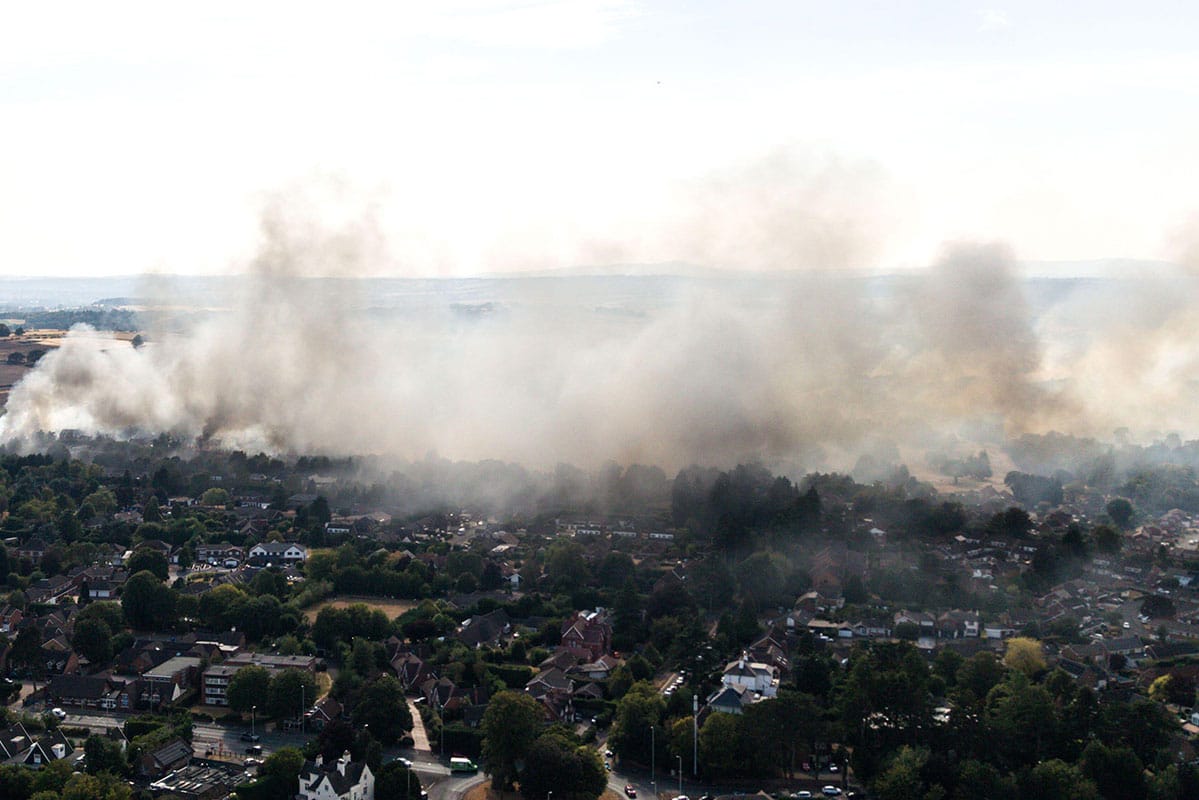
The scenes were shocking — worse even than the wildfire that broke out on the Lickey Hills in 2022, when 15 people were evacuated. Now, the numbers are greater and it isn’t just Stourbridge that has been affected: similar blazes broke out last week in South Birmingham, North Birmingham, and parts of Worcestershire, Staffordshire, and Warwickshire. On Wednesday, a fire ripped through a row of bungalows in Castle Vale, leaving a woman with serious injuries.
We still don’t know what exactly caused the fire in Stourbridge to start. There are rumours involving a lit fag and a lorry load of straw but it’s all just hearsay and in no way verified. In some ways, though, it doesn’t really matter. The consensus is that these wildfires are increasingly likely, as heatwaves become hotter, more frequent and long-lasting. The ultimate culprit here, according to consensus, is climate change.
Unless, that is, you are the unnamed Conservative councillor quoted in the Guardian’s reporting who apparently told a resident “we shouldn’t bring politics into it,” when they dared to make the link. That article was then posted to Reddit where it generated similar scepticism from among those blaming “net zero madness”.
Meanwhile the Mail ran a report last week making the case that the 1,017 wildfires across the UK already this year could be linked to “eco-dogma”, quoting high-profile members of countryside groups like the Countryside Alliance and the Country Land and Business Association who believe “rewilding drive, which involves allowing nature to look after itself without human interference, has caused a huge build-up of dry vegetation primed to ignite in heatwaves.”
A different analysis, however, comes via Dr Theodore Keeping, who analyses extreme weather and wildfires at Imperial College London. “We know that heatwaves are getting more likely and more intense over the region”. He likens the atmosphere to a sponge that gets bigger in warm temperatures, with a greater capacity to draw up moisture from the Earth’s surface. This makes grass and vegetation incredibly dry. “When those conditions occur, the fire risk spikes very strongly, and that is exactly why we are seeing a fire risk that we have historically very, very rarely seen in this region because we just weren't hitting those heat extremes,” he adds.
The novelty of the situation is evident, if the local whispers are anything to go by. Outside the Town Hall I sidle up to Louise Farrington, a cheery-looking woman with pink hair who is having her morning coffee and catch-up with a friend, Kevan Roseby. All they want to talk about is the fire, which they first became aware of when they smelt smoke the night before. “I couldn't see nothing but could smell it; I thought somebody was having a barbeque,” says Roseby.

“I'll be totally honest with you, I was more worried about the animals,” says Farrington, who watched videos of horses being rescued on her phone. Four good samaritans from the Sugarloaf Equestrian Centre had led eight of the animals out of their flaming field and to safety. Farrington pauses for a moment to ponder the other victims, then adds: “But it’s a shame for the people in those houses — there's some bloody big houses down there.”
Indeed, when The Dispatch catches up with the local MP Cat Eccles, she underlines just how unprepared the locals were for a wildfire — even those who were most in danger didn’t realise how bad the situation was. “When people were being evacuated, some didn’t understand why they needed to leave their homes,” she says. “Some needed to be dragged away by armed police.”
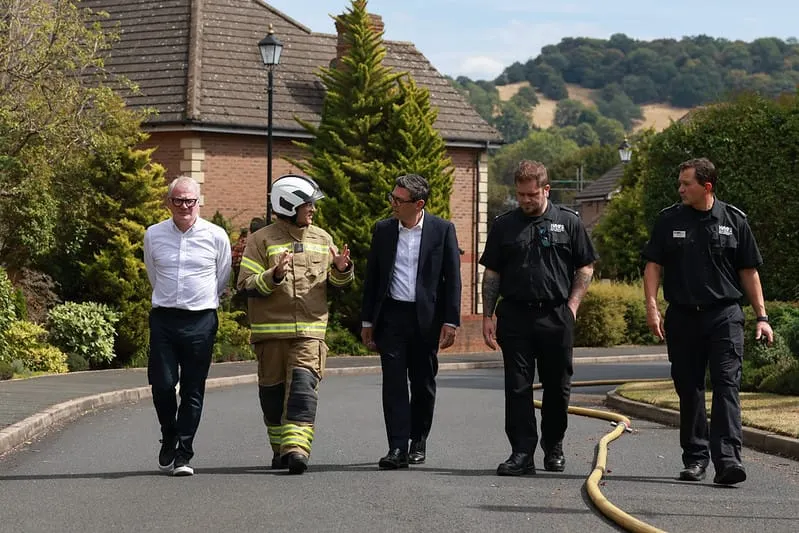
Even the prime minister is shocked. Also on Friday, Andy Burnham high-tails it to Stourbridge to meet with the local fire service and see the damage for himself, telling Sky News: “I’ve never seen anything like it. I mean, I’ve dealt with wildfires in Greater Manchester but nothing on this scale. I’ve never seen a scene like this in Britain where you just see a whole house gutted, smouldering.”
He promises support for the community and warns the public not to use disposable barbecues or fireworks during a heatwave. These are temporary measures, and they make sense — a huge wildfire that broke out last month near the Dovestone reservoir north of Manchester appears to have been the result of fireworks being set off on the nearby tinder-dry moors. But there is also a desire for longer-term measures to address the underlying issue here. If these conditions are only going to continue, and the risk of wildfires increase, what can the West Midlands do to prepare for future long, hot summers?
Dr Keeping says the key to adapting to the new climate will be taking hints from other parts of the world that are used to these high temperatures. In parts of southern Europe, for example, they are used to proofing the environment ahead of summer. People make sure vegetation is cut back from around their house. Fire bricks — high-density, heat resistant concrete — are built into the landscape to prevent fire from spreading.
Then there is the matter of fighting fires when they do break out. It all comes down to resources — and unfortunately for many rural communities, fire service funding has been cut back in recent years as populations have shrunk. “If what you have is a fire truck with some tools and a hose, you can't actually do very much against a large wildfire because the water will just evaporate in the air as you spray,” Keeping explains. Much more will be needed: bulldozers and diggers to clear out vegetation ahead of the fire, so it can't spread over that land, or tools to cut a line through the vegetation to head off the fire from the urban areas which you want to save.
This time around, we’ve made do. West Midlands Fire Service’s skill, the admirable efforts of local farmers, and conscientious neighbours have saved lives. But the scale of the destruction is extraordinary: 19 homes gutted and more than a dozen damaged. The residents of Stourbridge I met were using words like “terrifying”, and “emergency”. Elsewhere I’ve read of others using “apocolypse” and “armaggedon”. And when you watch the footage, you can see why.
If someone forwarded you this newsletter, click here to sign up to get quality local journalism in your inbox.
Comments