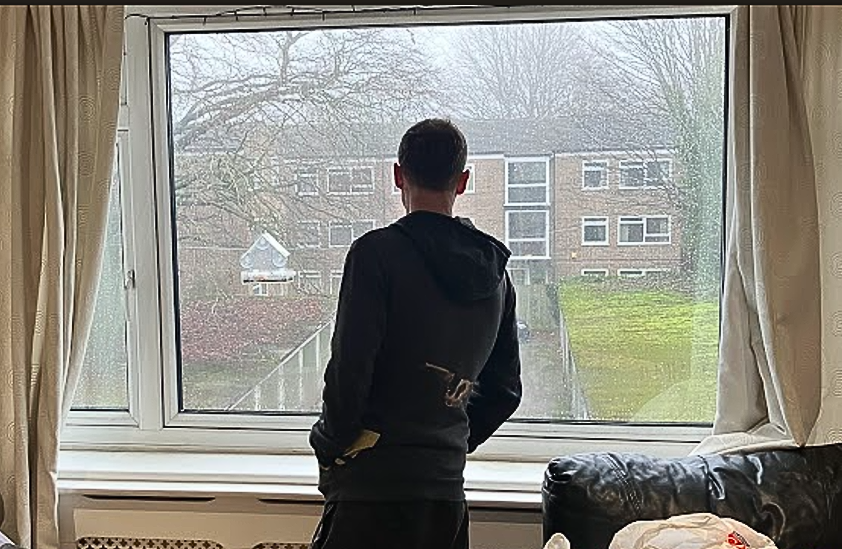

At first, the middle-aged man in the puffer jacket doesn’t want to talk. “What’s this about?” he says irritably, car keys in hand. “I’m about to pick up my daughter from school.”
But then I mention the name of the company who own the land his flat sits on, and manage the block he lives in. His eyes darken. “They never listen to us,” he tells me. The keys in his hand stop jangling.
“I’m unemployed at the moment, they’re trying to charge a reserve fund, it's extreme,” he continues, screwing up his face. “It's unreasonable what they’re expecting us to pay. They’re not making any concessions for anyone.”
It's a freezing January day in Moseley. I’m standing inside Block C, one of three that make up Wakefield Court, a sturdy development flanked by huge detached houses with convertibles parked outside.
Wakefield Court cuts against this prevailing impression of suburban niceness. Walking around the building for 20 minutes, I spot letterboxes with missing flaps, door numbers snapped in half, rotting garage doors, graffiti tags, chipped paintwork, and mouldy signage bearing the legend ‘Freshwater Group’. Inside, the hallways have a familiar damp smell, indicating more mould.
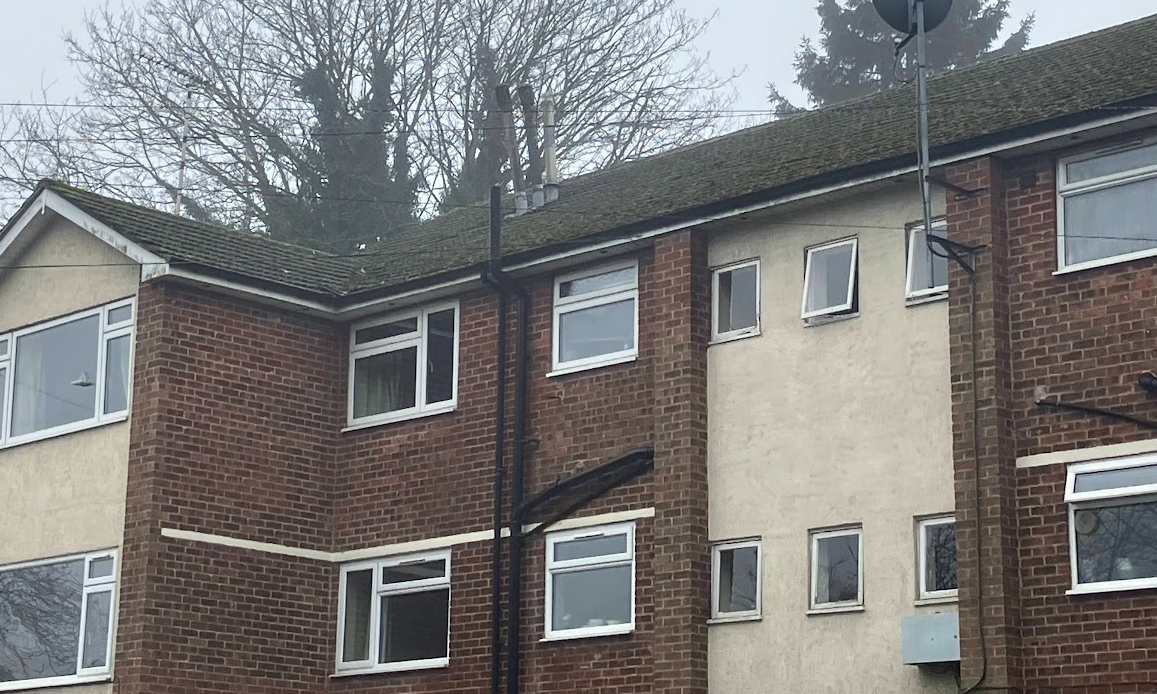
There are flashes of the serviceable yet homely site Wakefield Court once was — the kind of place a young teacher might have bought as their first starter property before the housing crisis. But now this facade is rundown — and at the centre of a bitter conflict between Birmingham leaseholders and a behemoth property empire owned by a billionaire and run from a set of swanky offices in central London.
In November 2025, notice was served from the Freshwater Group to Wakefield Court residents across all three blocks, of huge increases in fees over the next 12 months. Letters seen by The Dispatch notify leaseholders that they face a rise of 272.7% in charges by the end of 2026, justified as collecting for something called a ‘reserve fund’, which allows management companies like Freshwater to build up cash over time for big repairs.

This story is for paying subscribers of The Dispatch. If you want to be more informed about your city, and entertained by good old-fashioned storytelling in the process, sign up for a full membership now. You get four editions a week and right now, it's just £2 a week.
In return, you'll get access to our entire back catalogue of members-only journalism, receive all our editions and exclusive news briefings, and be able to come along to our fantastic members' events. Just click that green button below. Sign up below to support local journalism.
The average bill facing each leaseholder in 2026 is £15,325 — an £11,214 increase on last year's £4112. On top of that, they’ve got mortgages to pay. According to residents I spoke with, many have had to take on second jobs, overtime work, or draw down life-savings in order to afford these increases.
Freshwater says the reserve fund needs a sudden input of cash thanks to projects like new roofs for all the blocks, and replacing oil tanks with electric heating. Leaseholders say problems caused by lack of maintenance have existed for decades and repairs are being rushed through all at once — coinciding with a fight on the part of residents to seize control of Wakefield Court’s management for themselves.
Wakefield Court’s occupants thought that fight was nearly over. But Freshwater isn't going quietly.
“It’s increasingly difficult here.”
In a corner of Block C, I find Craig*, a slim 30-something, dressed in a faded Nike tracksuit. He’s covered in the dust and dirt inherent to his job, working nights at a die-casting factory. The one-bed flat he rents for £700 per month is in a state of disrepair, with furniture and furnishings piled up in a corner of his sitting room. The place is pungent with the smell of black mould. Craig looks drawn.
“I only use one room in the apartment since the boiler went,” he tells me, explaining how he eats, sleeps and relaxes in the bedroom alone, sustained by a portable electric heater. The other rooms are currently too cold to linger in. “I enjoy living in Moseley,” he says resignedly. “But it's increasingly difficult here.”
In 2023, rainwater flooded down from the roof into Craig’s flat for the first time. Mould sprouted in the aftermath. In late November 2025 — around the time Freshwater was serving notice on the massive fee increases — leaks took out his boiler. He’s now been without central heating for two months and there’s no indication that it will be fixed in the near future. Freshwater has responsibility for maintaining the heating systems across Wakefield Court, and don’t seem to be in a rush to get Craig’s heating mended.
Craig’s not a leaseholder at Wakefield Court, but a tenant. His landlords, Katherine and Simon* often check up on him — something they do regularly since the trouble began, mostly out of a sense of guilt about the conditions the flat has descended into and their inability to intervene to fix external features.
The couple haven’t charged Craig rent for the past two months, mostly so they don’t get sued. Katherine now has a flat that she cannot sell, she explains over email, because of the leak and black mould, and extortionate fees she can’t pay. Her income from rent has also dried up because she can’t charge for a property that lacks water and heating.
After the 2023 flood, Katherine approached Tom Haskins, Freshwater Group’s area manager for Wakefield Court, about the flood. Haskins is the predominant point of contact for Freshwater, which is part of a group of companies controlled by Daejan Holdings, a firm set up in 1935 to acquire rubber and coffee plantations in the Dutch East Indies. In the 1950s, Freshwater was built up by Osias Freshwater to become “London’s largest private landlord”, according to the company website.
Birmingham deserves great journalism. You can help make it happen.
You're halfway there, the rest of the story is behind this paywall. Join the Dispatch for full access to local news that matters, just £8/month.
SubscribeAlready have an account? Sign In