
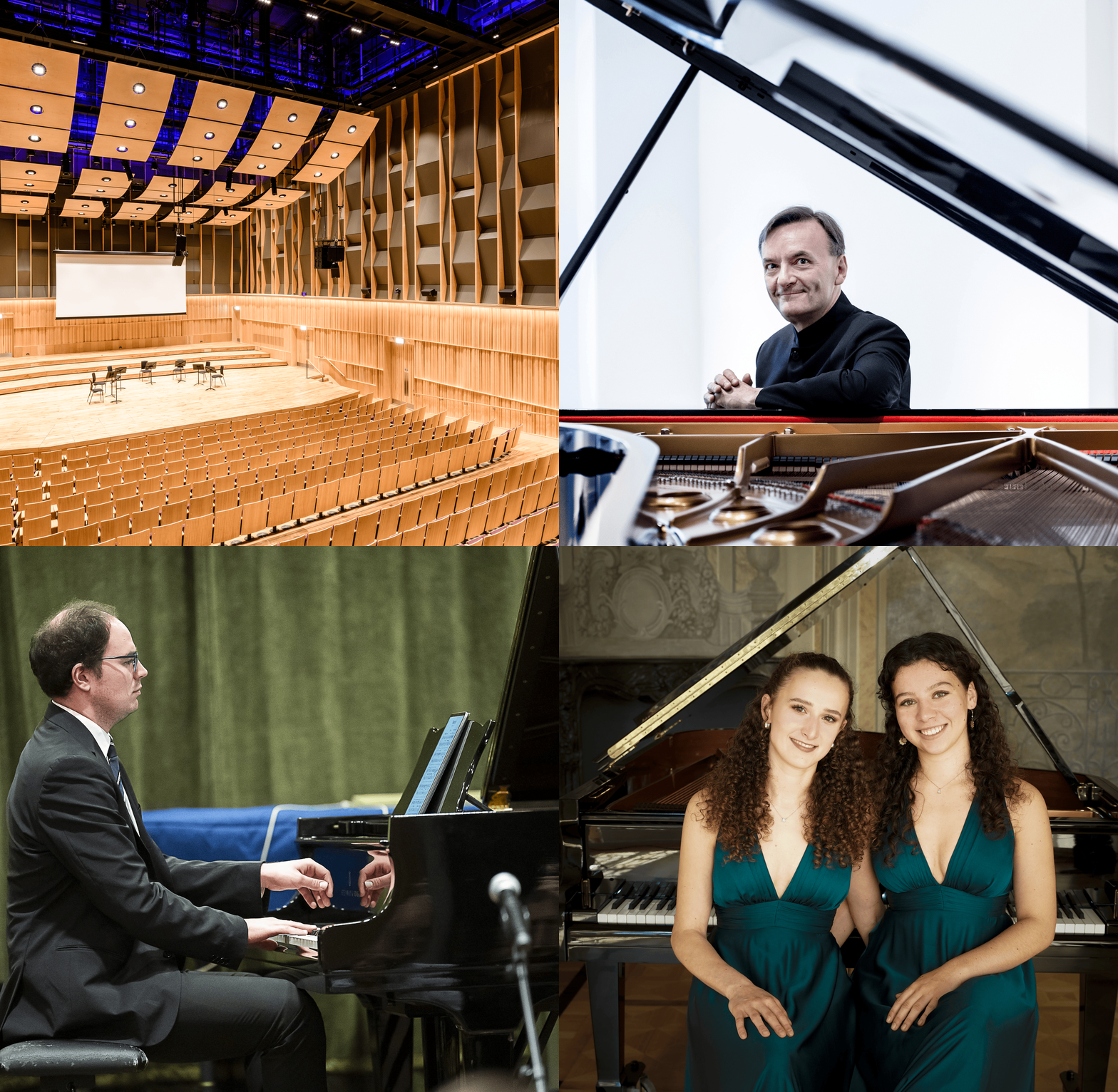
World class pianists come to Birmingham this June
This June, the Royal Birmingham Conservatoire presents the Birmingham International Piano Festival – five days of collaboration, competition, and top-tier artistry. There’s a jam-packed schedule with concert performances by world class pianists, celebrity masterclasses, and 20 young musicians competing for the top spot. There’s something for everyone – from free shows to one-on-one expert-led tutorials. Head down to the Royal Birmingham Conservatoire from 14 to 18 June to join in the fun. Tickets are going fast, so click below to grab yours.
Interested in sponsoring The Dispatch? Get in touch.
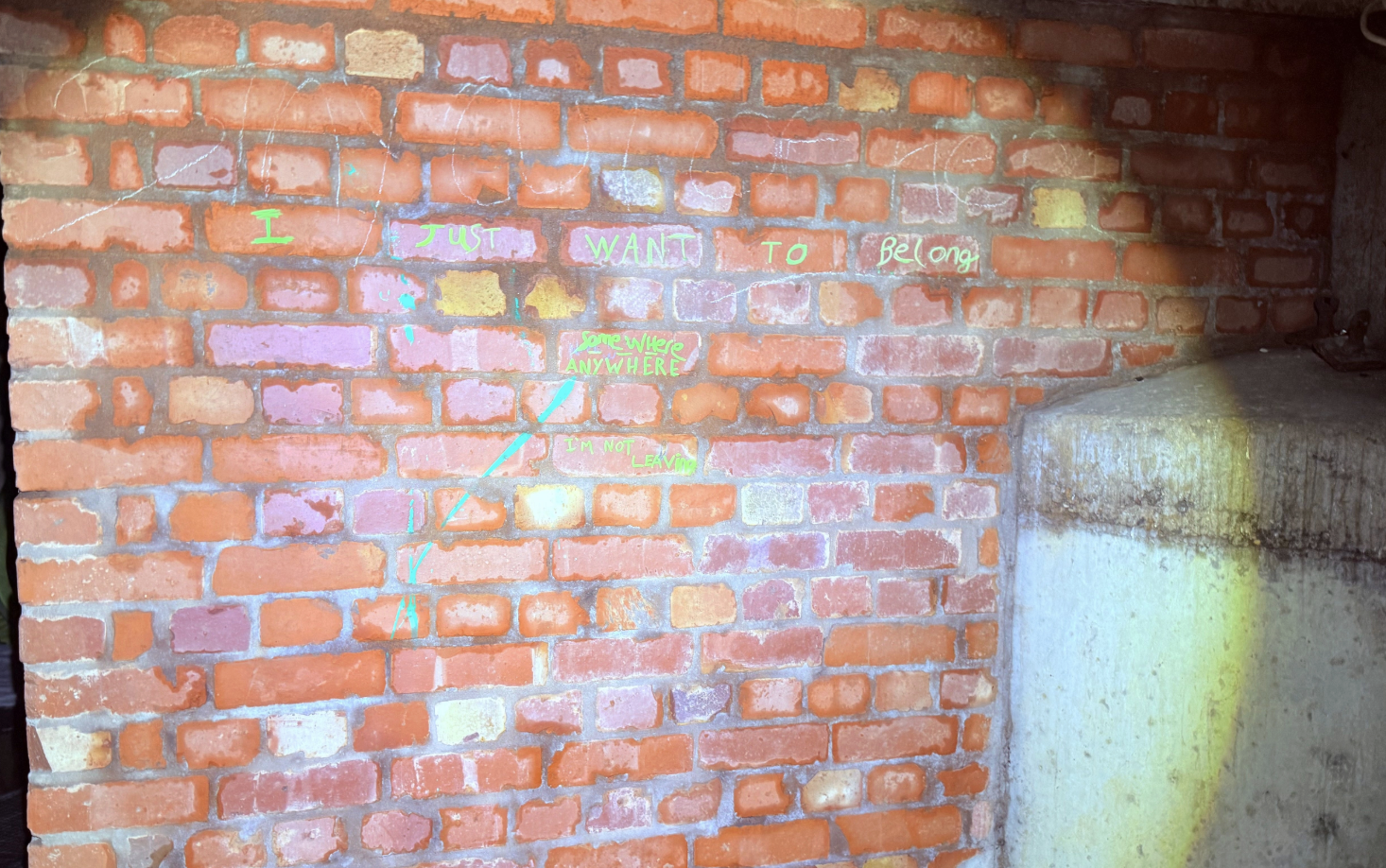
You can’t see the fire from the pavement – just wisps of smoke, coming up through a grate between the two buildings. When the firefighters arrive, they head below street level to the canal, navigating a maze of graffiti-covered walls and locks until they finally strike upon the fire. The question of how it has broken out in the first place seems answered by what they find there: a hoodie, newspapers and magazines, a tent and shoes lined up outside it. To the right of this is writing on the wall, etched in neon-green chalk: ‘I just want to belong. Somewhere. Anywhere. I’m not leaving.’
In Birmingham, this is easier said than done. The West Midlands has the highest rate of homelessness in the country after London, and Birmingham has the highest homeless population in the region. But rough sleeping in buildings is something that’s not always visible to the naked eye – from the street, disused buildings often look completely empty. You’d never know someone was trying to make their home inside.
When I speak to Alex Vasudevan, a professor of Urban Geography at Oxford University, he explains that certain aspects of homelessness have become less visible in recent years. This is a sea change he dates to 2012, when urban squatting in residential properties was criminalised in the Legal Aid, Sentencing and Punishment of Offenders Act. “People are obviously exercising a degree of caution,” he says of criminalisation. “They don't want to be moved on so easily, and…so I think that shift to things that are less visible are a coping mechanism, if you want to call it that.” To his mind, that criminalisation has “pushed people more to looking towards these more precarious abandoned spaces, [which are] often larger in size and scale and often exist on the edges of urban centres, but not exclusively so.”
But how does this play out in Birmingham? The scene described in the opening of this article isn’t one I witnessed in person, but via a Substack post written by Joe Poynton, a firefighter from Walsall who covers south Birmingham on his beat. Joe, who has over two decades experience in the field, came to writing after a period of working lots of overtime. When things quietened down, he wanted to use his time wisely. In an age of endless consumption, he thought, it would be nice to try and create something rather than scrolling the internet. With this, he began documenting his workdays on Substack. (“Putting it somewhere that's public is almost like a guide rail for me to not get lazy,” he explains.)
Joe's writing was the first time I’d read about the invisible population of unhoused people occupying empty buildings in Birmingham, and I was eager to hear more. We met on a sunny afternoon in Bournville at Kafenion, a cafe so rammed with people that we were forced to its edges outside.
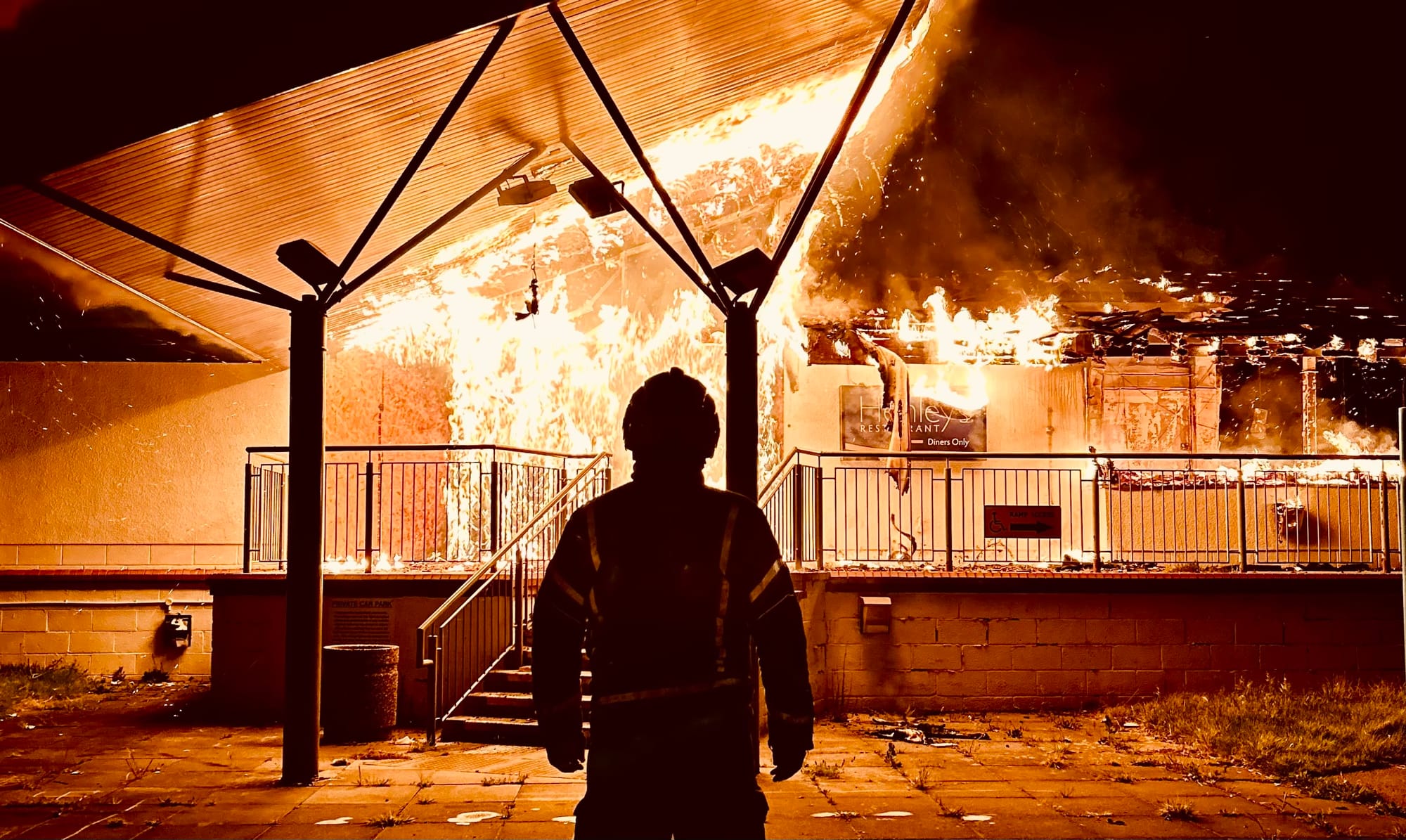
As someone who’s often first on the scene for fires in abandoned buildings, Joe sees parts of Birmingham most people never will. He returns to the same buildings enough times to become familiar with them because people sheltering in them light bonfires to stay warm and they get out of control or get left unattended. This makes a sort of sense to him, though. “It’s sad to know these people are kind of existing rather than living and thriving,” Joe says. “They’re kind of just surviving harsh, cold winters.” (As you’d expect, these fires happen more regularly once temperatures dip — in winter, he tends to put out a fire like this approximately a couple of times a month “or more”).
This story is completely free to read. To continue, you just have to sign up to our free mailing list. Every single week you'll get stories landing in your inbox on a variety of different topics that are all about Birmingham and the West Midlands. Although one story may be a historical feature, and the next a complex investigation, you can be sure that absolutely everything we publish has been heavily researched and thoughtfully written.
Sign up below, no card details required.
This story is free to read - you just need to join our mailing list. And why wouldn't you? By becoming a Dispatch subscriber, you'll get our scoops, features, and insights, in your inbox, the second we hit publish. No card details required.
Already have an account? Sign In