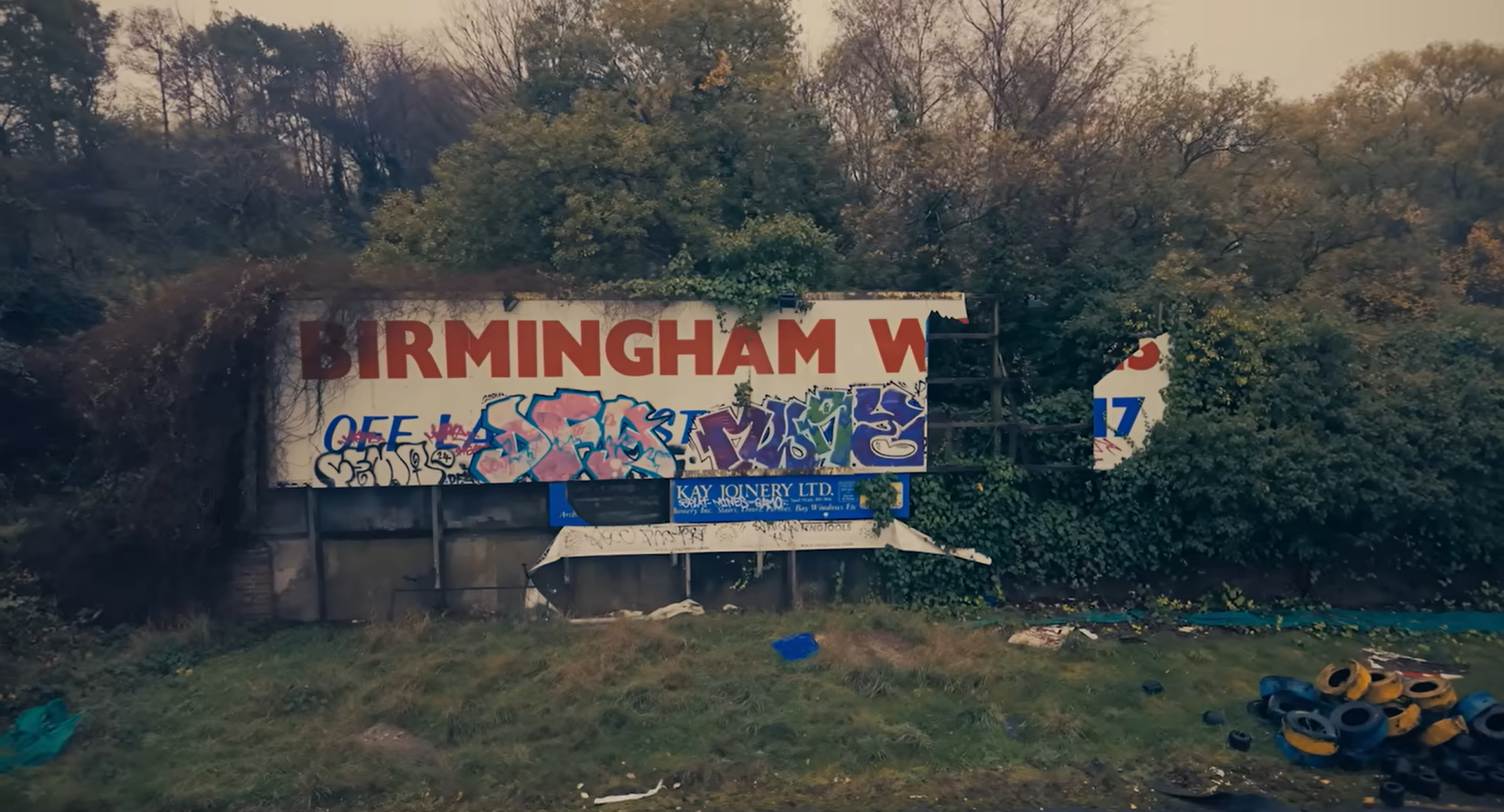

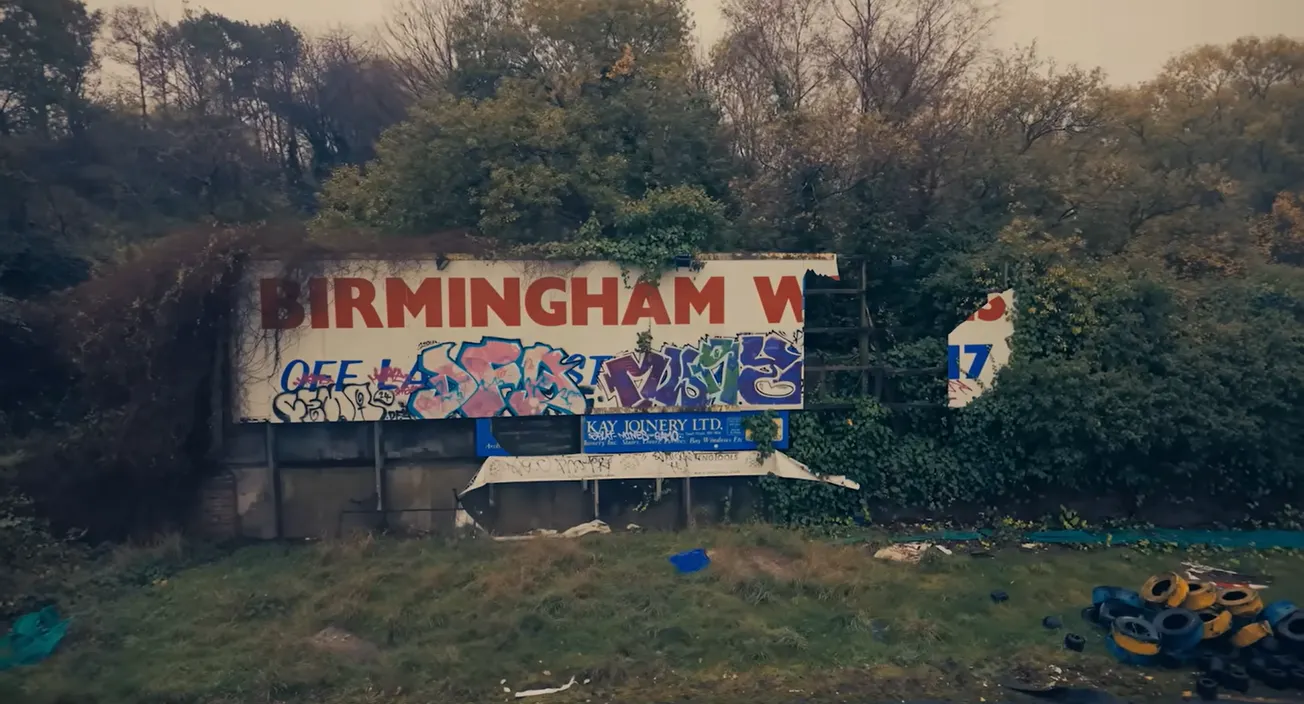
I’m driven down to Wheels park in Bordesley Green in a high-end black 4x4. The trip has been arranged by Knighthead, the American investment firm that owns Birmingham City football club. Strings have been pulled to show me around at short notice.
Without sounding ungrateful, there's not a whole lot to see. The former go-karting track, which closed its doors in 2021, could double as a set for a zombie movie. Old tires are strewn across the dusty concrete former tracks, and there’s an abandoned building with broken glass windows.
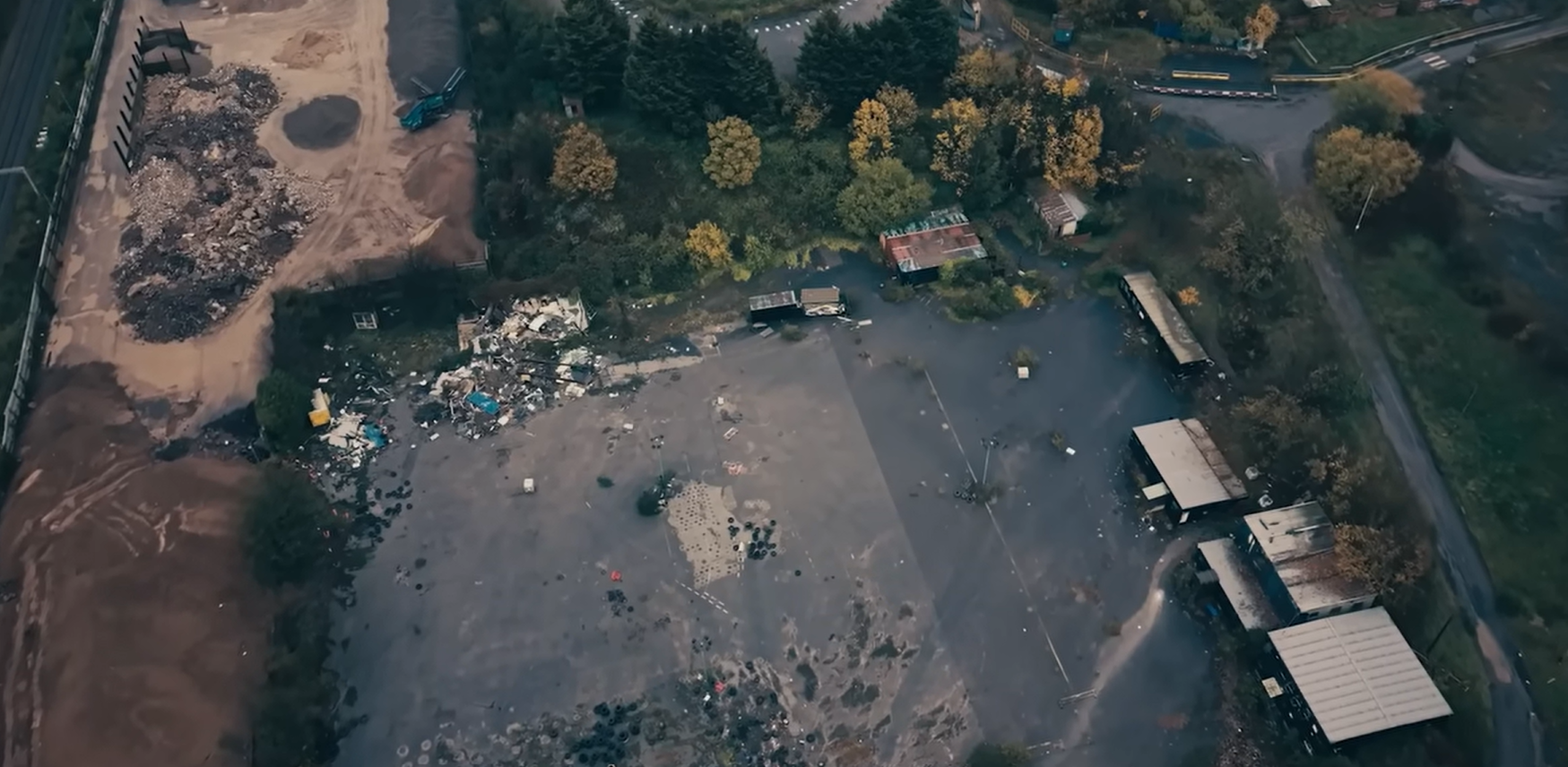
But not for long. If Tom Wagner, the club’s billionaire chairman and co-owner, has his way, then the cracked concrete beneath my feet will one day be pristine turf. All around me, 62,000 fans will be cheering on the Blues (or the opposition). This will be the centre of “The Powerhouse”, and beyond the stadium’s walls will be new housing, shopping areas, leisure facilities, and a new tram stop. On non-match days, the stadium will be used to host “world-class concerts” and NFL games.
The delivery date for all this is 2031 — “lunacy” in Wagner’s own words, and suggestive of the kind of American optimism that hasn’t yet encountered the British planning system. But he’s also ambitious for the area around the stadium. Speaking to The Times, he said: “we’re dropping that investment into the middle of one of the most deprived areas in the country. I think there’s a moral imperative to invest into an area like that and to… not pursue it would be a crime against the city of Birmingham.”
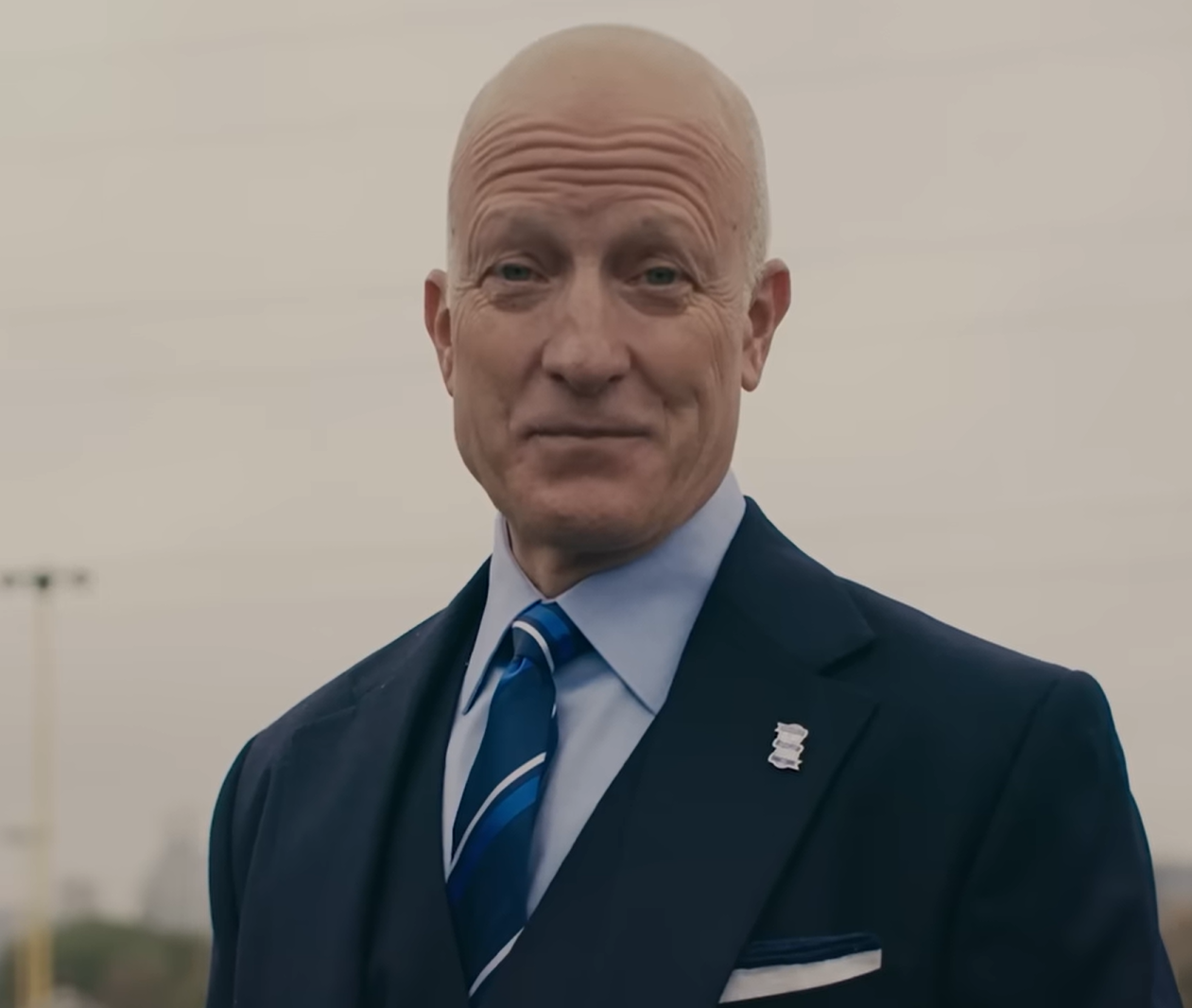
That heady optimism has been embraced by Richard Parker. When designs for the stadium were unveiled at a regional investment summit last October, he hailed it as an “incredible moment” for the city: a “blueprint” for how the public and private sectors can join forces to improve a community's quality of life. “New jobs, new homes and new hope are coming,” he promised the crowd.
Harris Khaliq, councillor for neighbouring ward, Ward End, agrees the opportunity is huge. But that comes with expectation. “In many ways, people are looking up to them [Knighthead] to be the saviour — to live up to the name and truly be the Knight-head for this part of Birmingham.” And some are feeling sceptical. Knighthead, Khalif says, will have to work hard with the community to ensure the Sports Quarter doesn’t become yet another major project, like HS2, that “promised the world” only for local communities to experience “years of disruption” with little clear benefit.
East Birmingham has some of the worst deprivation in the UK, with nearly 40% of children in the area living in absolute poverty. Could the Sports Quarter really transform the prospects for a community in an area that has long been crying out for investment?

Hello readers. It's Olivia here - your new staff writer at The Dispatch.
The rest of this story is behind a paywall. And that's not because we're feeling stingy, its because we want to run a business model that is accountable to readers, not advertisers.
To access quality local news and good old-fashioned storytelling, sign up for a full membership now, at just £2 a week. Not only will you receive all our editions and exclusive news briefings, you will also be able to come along to our fantastic members’ events.
Birmingham deserves great journalism. You can help make it happen.
You're halfway there, the rest of the story is behind this paywall. Join the Dispatch for full access to local news that matters, just £8/month.
SubscribeAlready have an account? Sign In