
Four days into our campaign, 30 to go. 1000 is the magic number: that’s how many Brummies we need by Sunday 13 December to fulfil our pledges to make the city a better place and start publishing more quality journalism in 2027.
We're about 30 members behind where we hoped to be at this point. Not disastrous, but we need a little boost. And as someone who reads The Dispatch for free, we'd love you to step into the breach.
Today’s special report is free for everyone to read. If you think this kind of in-depth journalism is worth paying for, and you want to get all of our members-only work, join us for £2.99 a month for the first two months, our lowest ever price, or you can get an annual for the steal of £55.
Dear readers — three years ago The Dispatch, then a tiny publication that was only a few months old, published our first really big piece. Big in length, yes, but also in public impact: it was widely shared across the city, was shortlisted at the British Journalism Awards and was even mentioned by the Financial Times.
It concerned a man called Gurpaal Judge, a former lettings agent from Wolverhampton who had grown an astonishing housing empire in a very short space of time: thousands of supposed “supported housing” units for vulnerable people, many of whom didn’t seem to be getting much support. His companies collapsed in 2023 owing £13 million.
Since then, the so-called ‘exempt accommodation crisis’ has become something many Brummies will have heard of. BBC Panorama recently exposed private companies for profiting from the system by luring vulnerable people to the city with offers of holidays and then receiving housing benefits on their behalf.
On the fourth day of our membership campaign, we decided to return to a story we’ve been investigating for years now. Specifically, we wanted to answer a question many of you have asked us: why has Birmingham specifically become the epicentre of this scandal?
In a special report, Olivia digs into the evidence. And hears about a meeting with council officials that might offer the best clue to the mystery.
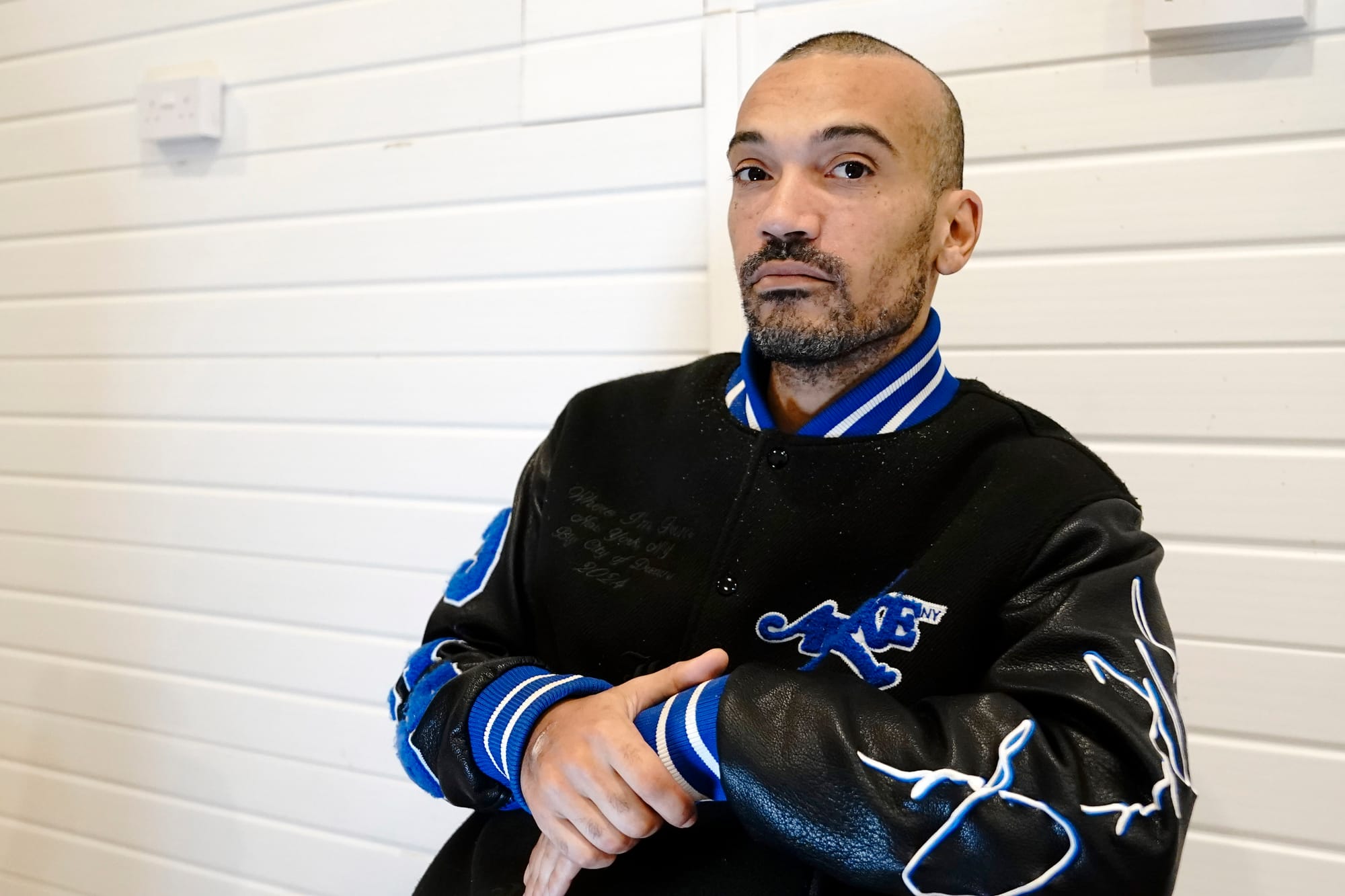
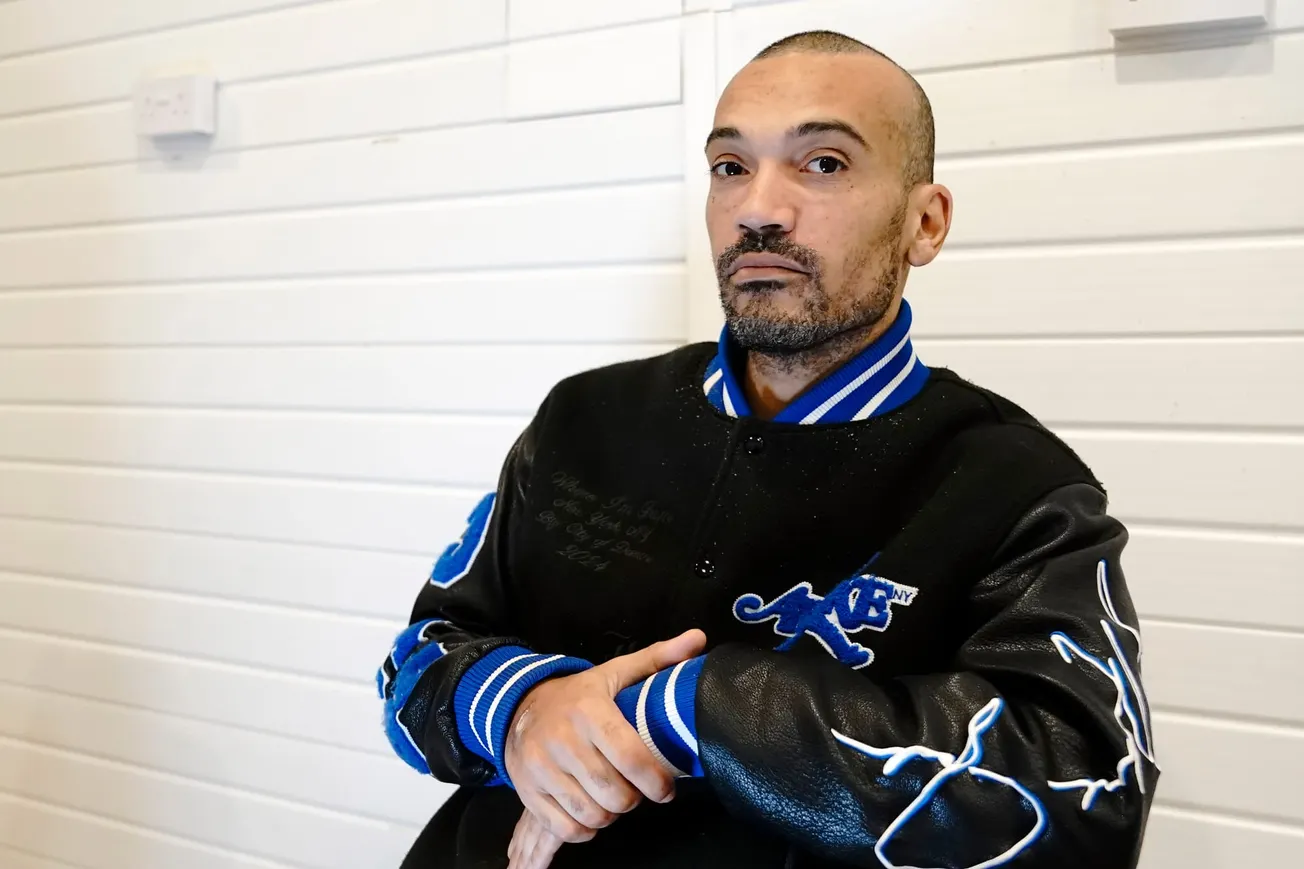
It’s about 20 minutes into my conversation with 43-year-old keen motorcyclist Billy Taylor when the mood changes. “My friend got killed in this kitchen.”
I’m inside a two-storey house in Handsworth where Billy has been living for the past seven months alongside two housemates. Cans of K Cider and Heinz beans sit on the kitchen counter next to two worn leather sofas where we perch opposite each other. Cigarette butts float in murky water in the sink.
“He was cooking up some chips,” Billy continues. But the chips belonged to his friend's housemate. An argument ensued between the pair. According to Billy, the housemate “pulled out a knife, stabbed him and caught his heart.”
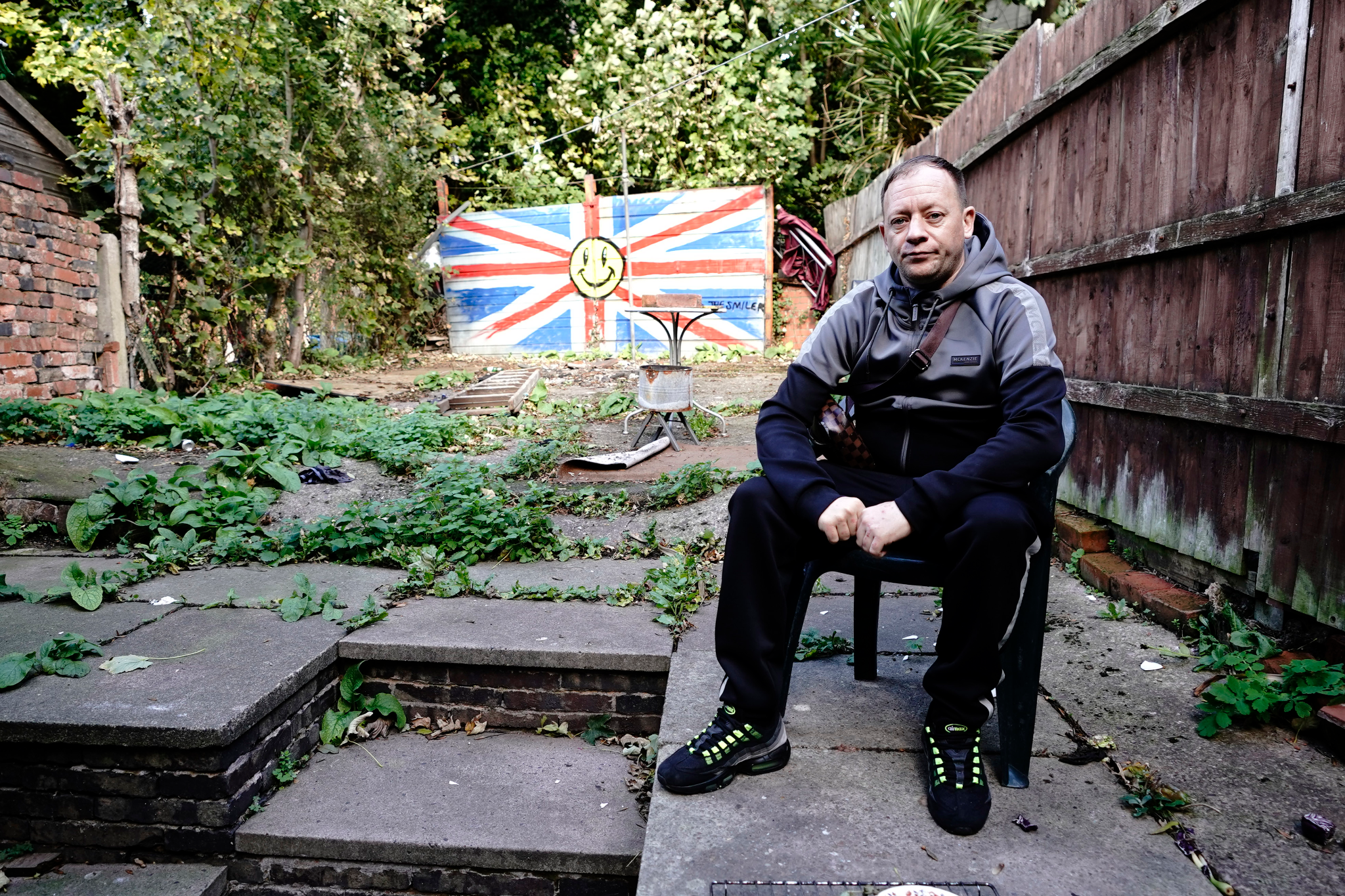
At the time of the killing, which was reported in the press, Billy was living in Nottingham with a girlfriend having recently left the house. He has since come back, but it hasn’t been a happy homecoming. Two weeks ago, a group of men in balaclavas, carrying guns, kicked his front door in. They were looking for Billy’s flatmate, who apparently owed the group money.
Billy’s story should be shocking, but in Birmingham it isn’t unheard of. Last month, Birmingham Live reported that a third of all murders in the West Midlands in the last two years have been linked to houses in multiple occupation (HMOs) or so-called “exempt accommodation”.
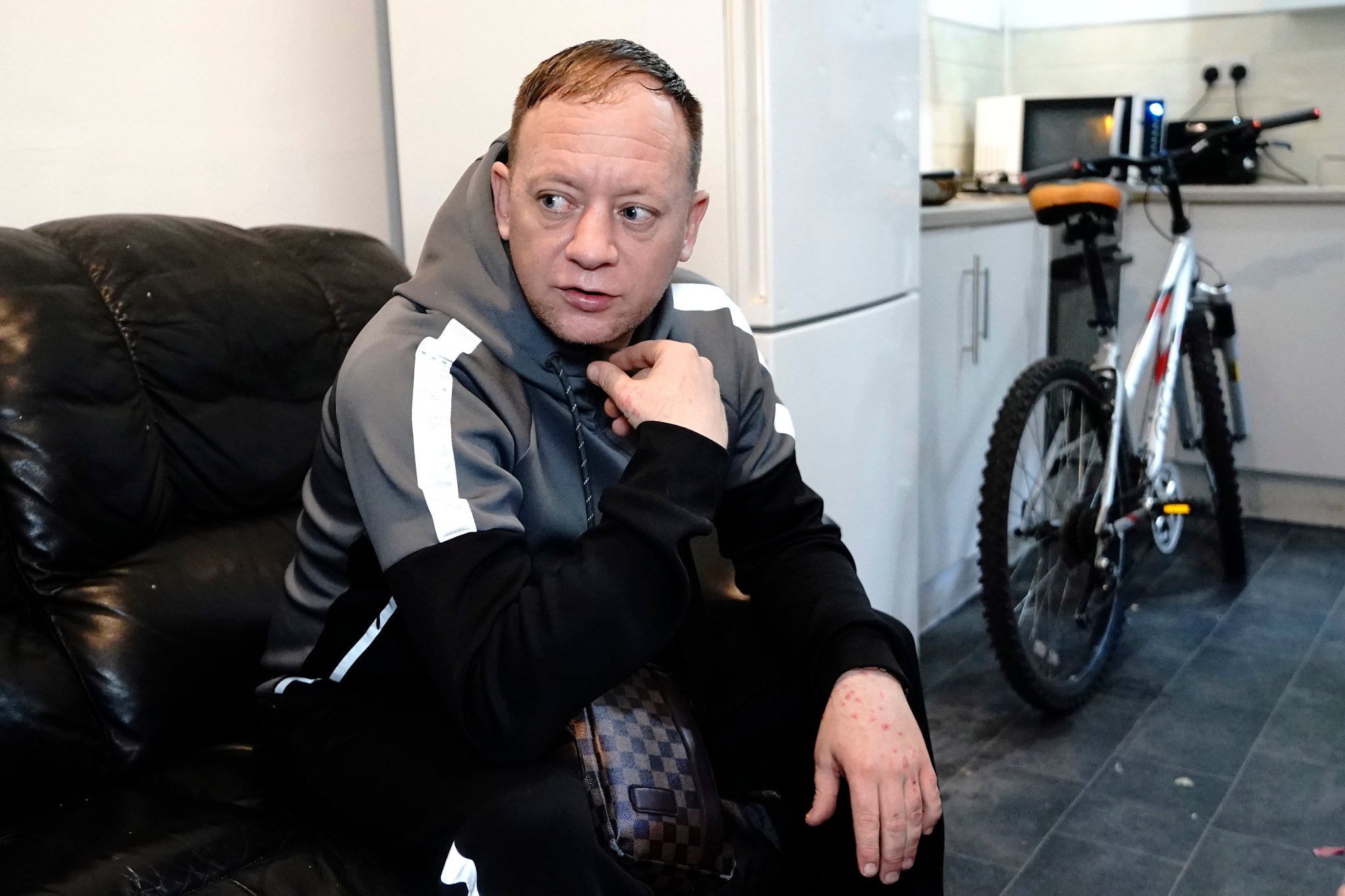
That’s the type of housing Billy lives in – officially called supported exempt accommodation (SEA). It’s meant for vulnerable people, such as those suffering with addictions, victims of domestic violence or prison leavers looking for work. The model allows housing providers that offer rooms plus additional support to such tenants to be exempt from the usual cap on housing benefit.
In Birmingham, housing benefit for someone living in a standard house share is capped at just over £340 a month. In exempt accommodation, there is no set maximum and payments are often over £1000 a month.
It's a system that provides housing for thousands of people who need it, some of whom live in perfectly acceptable homes. But it has also given rise to entrepreneurial providers motivated by generous taxpayer-funded profits over providing safe homes and proper care.
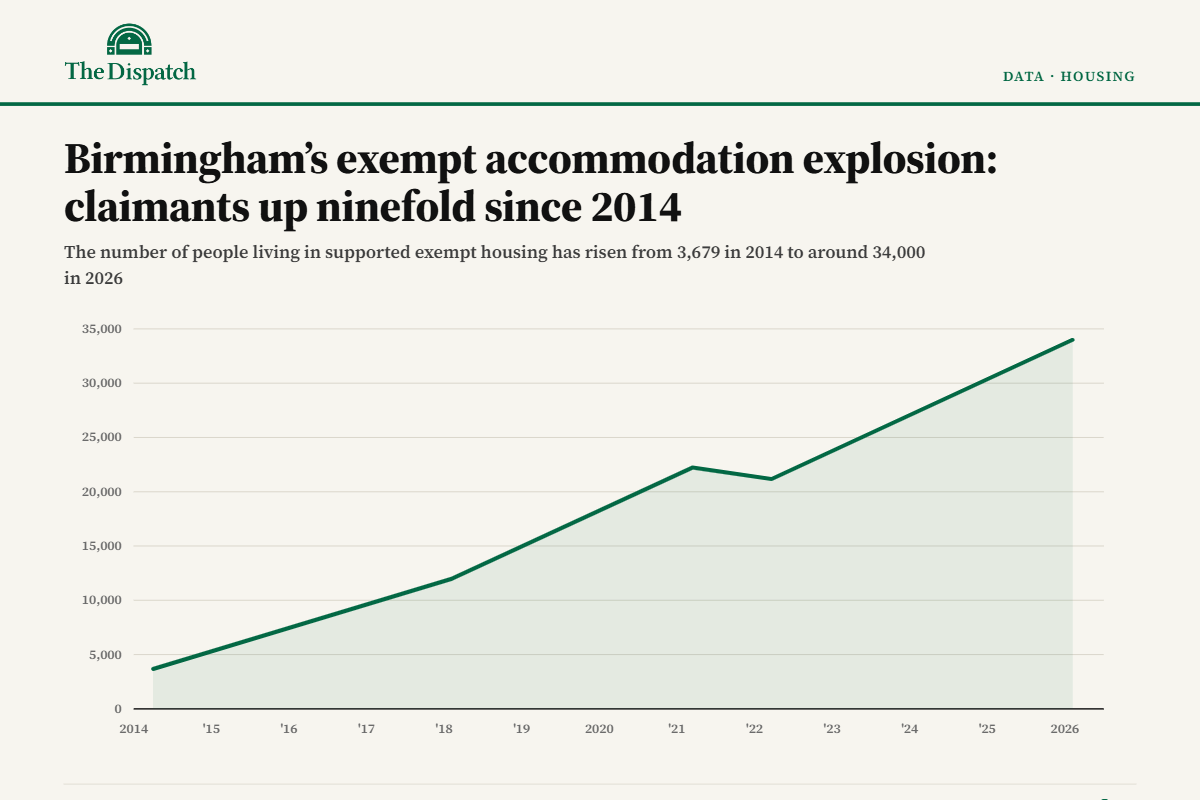
In Birmingham, the system has mushroomed like in no other city. The number of exempt accommodation claimants in the city rose from 3,679 in 2014 to nearly 12,000 in 2018, nearly treble Manchester’s figure and quadruple that of Leeds. It now stands at around 34,000 and Birmingham accounts for around half of all exempt accommodation spending in the country.
Today, a former insider explains how it began. Alan Fraser, the former chief executive YMCA Birmingham, has told The Dispatch about a meeting in 2015 at which council officers showed his organisation how to claim housing benefit for support it wasn’t designed to cover. It was the moment, he contends, when a “monster” was created.
This story is free to read - you just need to join our mailing list. And why wouldn't you? By becoming a Dispatch subscriber, you'll get our scoops, features, and insights, in your inbox, the second we hit publish. No card details required.
Already have an account? Sign In