

The Dispatch is hiring! Are you - or do you know - a fantastic writer with top-notch reporting skills? We want to hear from you. Click the button to apply by 22 March.
Dear readers — if you caught our Monday Briefing this week, you’ll know I was not in the best mood. A weekend trip to Dublin with my boyfriend was rudely sabotaged by a broken down plane that left me stranded on the tarmac at Birmingham Airport, slowly losing my mind. We never left the ground and I had to seek solace in duty-free fags and a bucket of wine when I was supposed to be letting my hair down in Temple Bar.
Well, I’m ready to put all that behind me. It’s time to quit complaining, and look on the bright side of life. For ages now (so Kate tells me), The Dispatch has had regular requests from readers that we bring you some more positive news. Sure, there’s plenty to be cynical about — shady landlords, overpromising entrepreneurs — but there are also many good things happening across the city too. And while we won’t stop digging for scoops (any and all tip-offs this way please: editor@birminghamdispatch.co.uk) sometimes it’s nice to have a bit of a break, get off Companies House, and hear from local people doing downright lovely things.
So with that, here it is: our first ever Good News edition. There’ll be no Brum-bashing, no council woes, just smashing stories — many of them sent in by readers. If you enjoy reading this, and have more ideas for future editions, let us know.
Saved by accident, the mysterious Golden Lion fell into disrepair. Now another comeback beckons
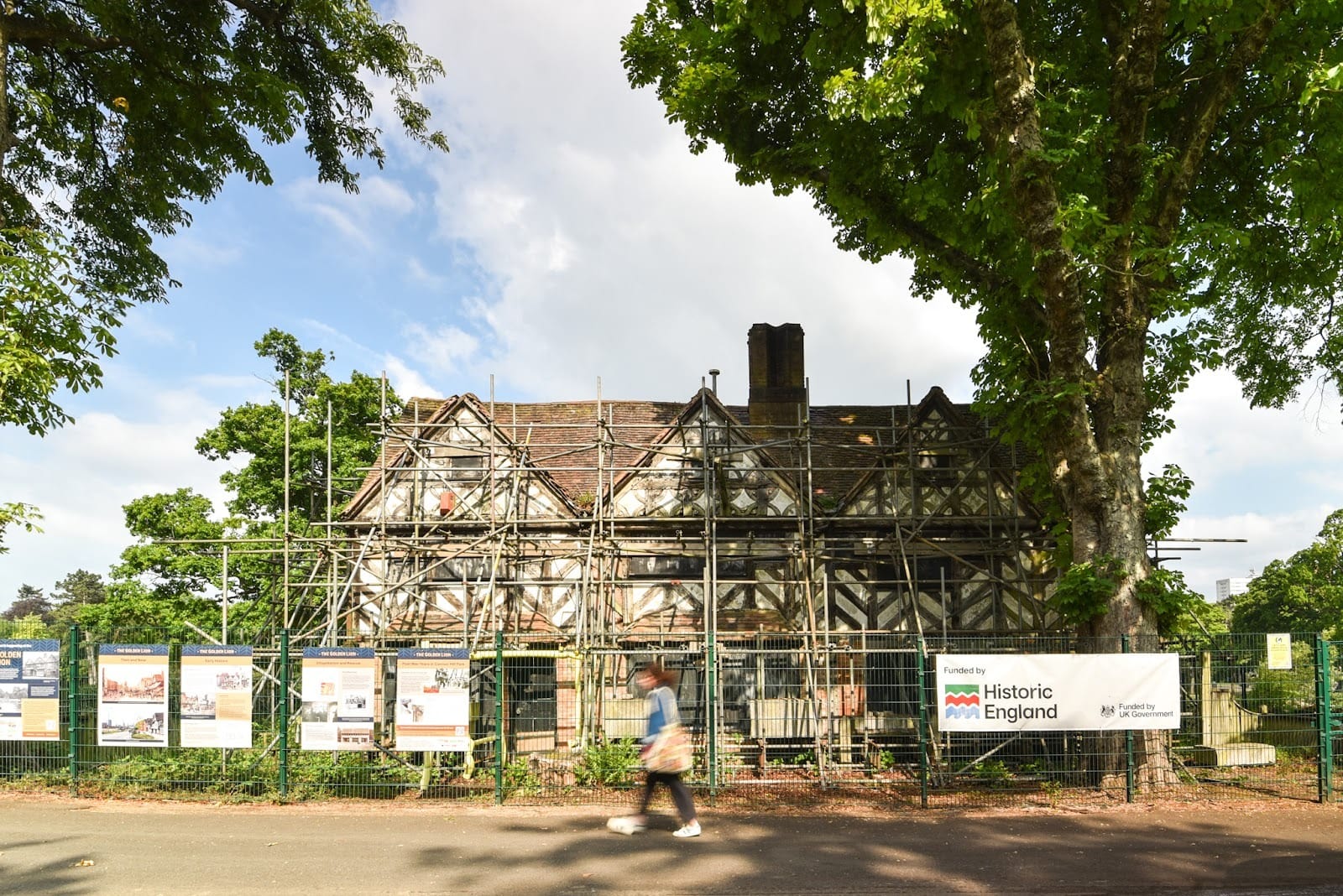
“I’ve walked past the Golden Lion almost every day since 1997,” museums and heritage worker Irene de Boo tells me. “I’ve seen it covered in scaffolding for two decades, and always think how sad it is.”
The timber-framed brick cottage, nestled in the middle of Cannon Hill Park is in the final stages of a long-awaited glow up. Locals like De Boo — who has lived in the same house nearby for 29 years — could not be more relieved. “All of us just assumed it was going to fall down one day,” she says. “Finally, we’re seeing progress.”
She isn’t just watching the transformation from afar, however. She has been a key figure in shaping the building’s future, carrying out research and conducting interviews with the public to find out what it should be used for next.
“It’s called the Golden Lion, so obviously a pub was the first choice for most people,” De Boo says. “Others mentioned tea rooms, or visitor centres. Obviously there’s the possibility of commercial use too.”
Whatever happens, this next chapter in the Golden Lion’s story is just one snippet of a saga that goes back five centuries. Legend has it that the building began its life sometime between 1570 and 1590 and, weirdly, it was originally nowhere near the park but on Deritend High Street, in what is now Digbeth. But what exactly the Golden Lion was designed to be is less certain.
Over the years, it has been split up into separate dwellings, been a pub, and housed saddle-makers. According to the Birmingham Conservation Trust website, the first documented evidence of it being used as an “inn” is from the 1730s. From there it continued to be a public house until the 1890s.
“It’s a bit of a mystery building,” Sarah Hayes, the Trust’s museum and trust director, tells me. “We don’t really know why it was built. But, we know why it survived. There was a case of mistaken identity over the building back in 1911.”
That’s when the Golden Lion was lifted, in its entirety, straight out of Deritend and plonked in the park at the behest of residents who mistakenly thought it was something else altogether: the 14th century Guildhall for the chapel of St John the Baptist. That’s the oldest secular building in Birmingham and an entirely different boozer: The Old Crown.
Still, the blunder was good news for the Golden Lion. “There was public outcry over the demolition plans,” says Hayes, “so they kept the building and moved it to Cannon Hill park.”
Since 1911, the building has mostly sat empty and fallen into deeper disrepair. Last summer, Hayes and her team decided enough was enough. They secured £344,265 from Historic England as a part of their £15m heritage ‘at risk’ funding — a coup, with no other central Birmingham building getting anywhere near that amount. Work began in earnest shortly afterwards.
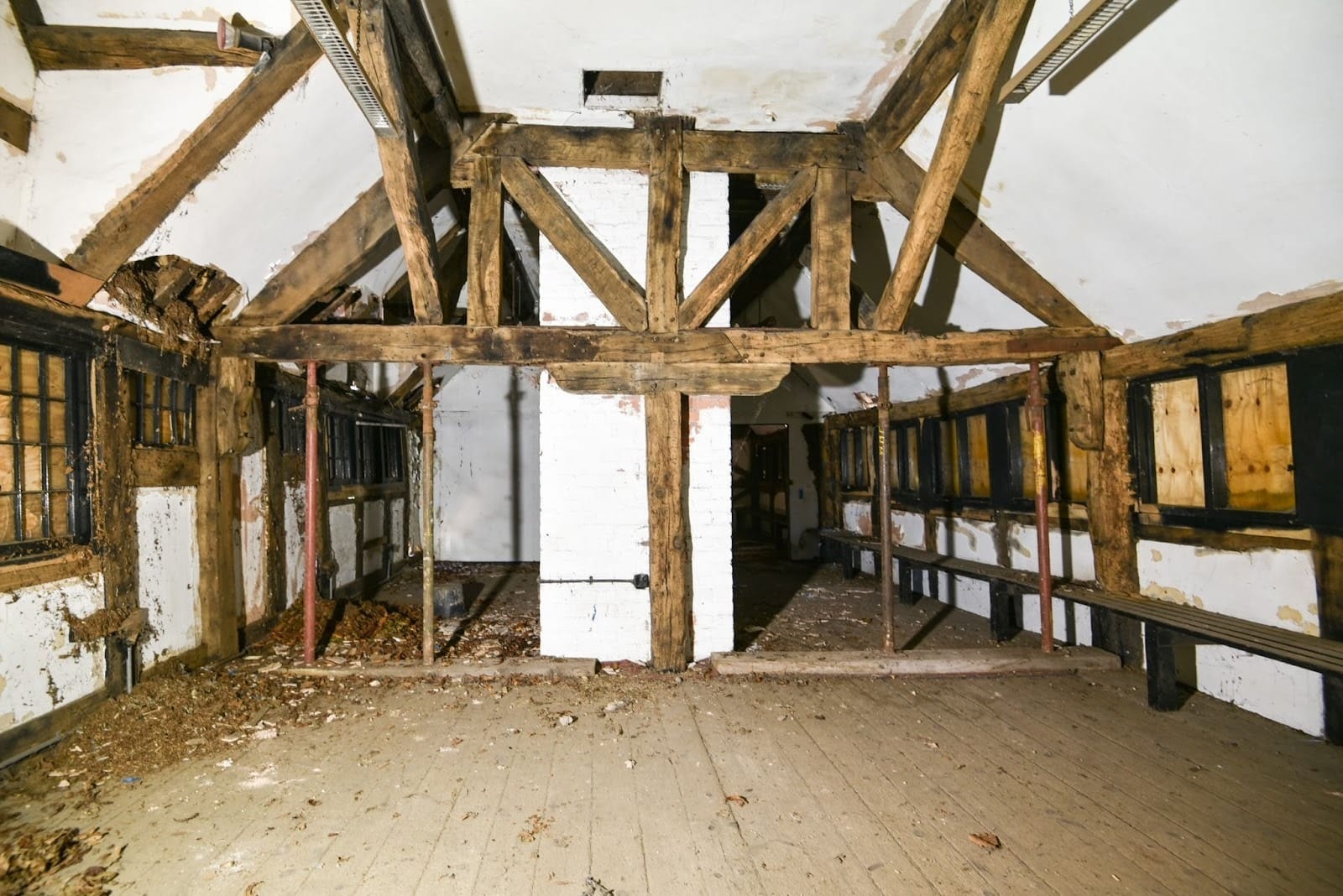
First, they had to conduct an analysis of the timber in the building, a process of studying the rings in the wood to determine age. This settled once and for all when the building was put up: between 1616 and 1644. Then began the painstaking work. The main aim? Preserve as much of the original timber as possible. Although it was in a worse condition than they expected, so far they have managed to hold on to 70% of the wood.
While timber-specialists Reynolds are on board as contractors, the renovation project has been all hands on deck. “It might not look like much from the outside to anyone walking through the park, but inside it’s a hive of activity,” continues Hayes. “When I went in last week, there were over 10 carpenters there.”
They’ll have to clear out soon enough, however. “Everything is happening so fast,” Hayes tells me, excitedly. “We’ve got to be mostly finished by next month and have used most of the funding.” Although she’s looking forward to the Golden Lion’s new future, Hayes thinks an occasional peek in the rear view mirror is necessary to recognise our history.
“In Birmingham, our motto is very much to look forwards,” she says. “But sometimes we forget to look back.”
Work on the Golden Lion is set to be mostly completed next month — Irene de Boo is offering tours of the building (more here), and in summer it will be fully open to the public.
Welcome to The Dispatch. We’re Birmingham's new newspaper, delivered entirely by email. Sign up to our mailing list and get two totally free editions of The Dispatch every week: a Monday briefing, full of everything you need to know about that’s going on in the city; and an in-depth weekend piece like the one you're currently reading.
No ads, no gimmicks: just click the button below and get our unique brand of local journalism straight to your inbox.
Dispatcher of the month

Meet your first ever Dispatcher of the month: 31-year-old Kloe Avon. In 2013, she was living at home with her late mom in Wednesbury when she noticed the rising numbers of homeless people in her area. Stirred into action, she put together rucksacks with food and essentials and hotfooted them around the neighbourhood handing them out to people in need. Then, realising the problem extended beyond the Sandwell border, she ventured into Birmingham.
Before long, Avon was a familiar face to people on the streets. She launched the Red Bag Co — so called, in case you hadn’t guessed, because the food they handed out came in distinctive red bags. The homeless people in her community started to trust her and to come to her with more complex requests. Above all, they wanted advice on housing: how to find it, who to speak to, and if she could help.
At first, the prospect was daunting. “I thought, how the hell am I meant to do this?” she tells me, with a laugh. Determined to act, however, she put her mind to it. In 2015, she and her outreach team (by now she had recruited a troop of committed helpers) began looking for homes for people. They built relationships with trusted landlords and housing associations and matched them up with potential tenants.
In their first year, Avon and her team helped to rehome 99 people — all while continuing to hand out food on the ground. Then she went international: travelling to Calais and Dunkirk to provide aid to refugees.
Alas, the pandemic brought the well-oiled machine to a stuttering halt. Returning from abroad in 2021, Avon found herself in lockdown with long Covid. It was a huge blow — she couldn’t be out helping people as much as she used to. “A lot of the people on the streets didn’t understand how I was there all the time one minute, and then the next was locked away and not out with them,” she says. “It was a real struggle.”
The sudden distance forced Avon to reconsider her next move. If she couldn’t be as physically present, perhaps there was a way to help from afar. From that kernel, grew Redihomes — a website and app which connects homeless people to social housing in under 24 hours. After she was quoted thousands of pounds by web developers, Avon taught herself how to code and built the entire website and app in the space of a year. I’m stunned by this, but she is modest: “These people needed help and I needed to find a way to do it,” she says.
So, what does the app do? “We hope to rehouse within the hour for the people who come home to eviction notices or those on the street,” Avon tells me. While there are barriers — not all homeless people have access to a phone, for one — she says that building the app has taken out a huge part of the timely process of finding housing. If there are homes readily available online, a member of the team can help someone fill out an application, and they can be connected instantly. Plus, she says, in her experience many people sleeping on the streets do have old phones.
This month marks a big moment: the beginning of Redihomes’ partnership with Birmingham city council. On Thursday, they opened the app up to landlords — over 30 applied on that day alone. The premise is simple and so is Avon’s goal. She says: “I just want to leave the world better than I found it. I want to see how much technology can be pushed for good.”
Bud on the tracks: nature returns to Kings Heath Train Station
Next month, Kings Heath train station will open for the first time since WWII, giving locals a half-hourly connection between Birmingham city centre and Kings Norton. It's been a long time coming — construction work started back in 2022 but was delayed by 12 months when a set of stubborn badgers was discovered living along the old Camp Hill line.
A year later, 55 mature trees were felled to make room for the new building, a loss that some locals struggled with. “It was devastating to see all the trees go,” Anne Gilbert, the chair of the Friends of Highbury Park tells me. “It was muddy and there were logs everywhere.”
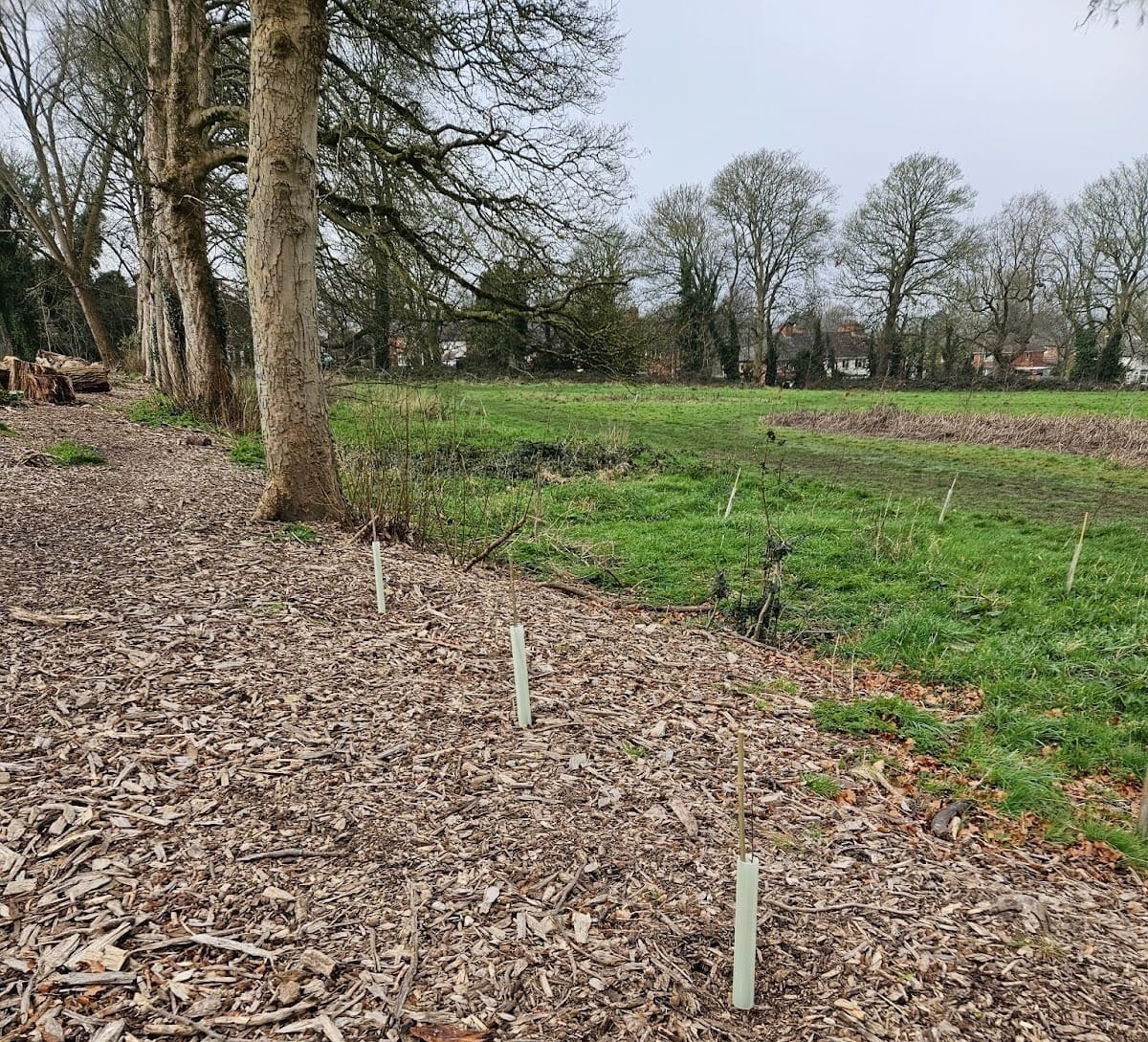
After allowing the earth to settle for a year, volunteers returned to the site this month to restore the stretch of greenery. With help from volunteers at the University of Birmingham, the member-funded group planted more than 150 young trees and shrubs along the railway line. Birch, spindle, guelder rose, rowan, field maple, wild cherry, dog rose, hazel, goat willow, hawthorn and crab apple were all carefully chosen varieties that are small enough they won’t pose a risk to the tracks — but rich enough in pollen and fruit to feed the wildlife.
The initiative has another benefit: it supports the group's goal to make Highbury Park a Site of Importance for Nature Conservation. “Highbury is a very special place, we all absolutely love it here,” Gilbert says. “We’re working together with nature to keep the park beautiful.”
Two P’s, one pod, and a banging greengrocer
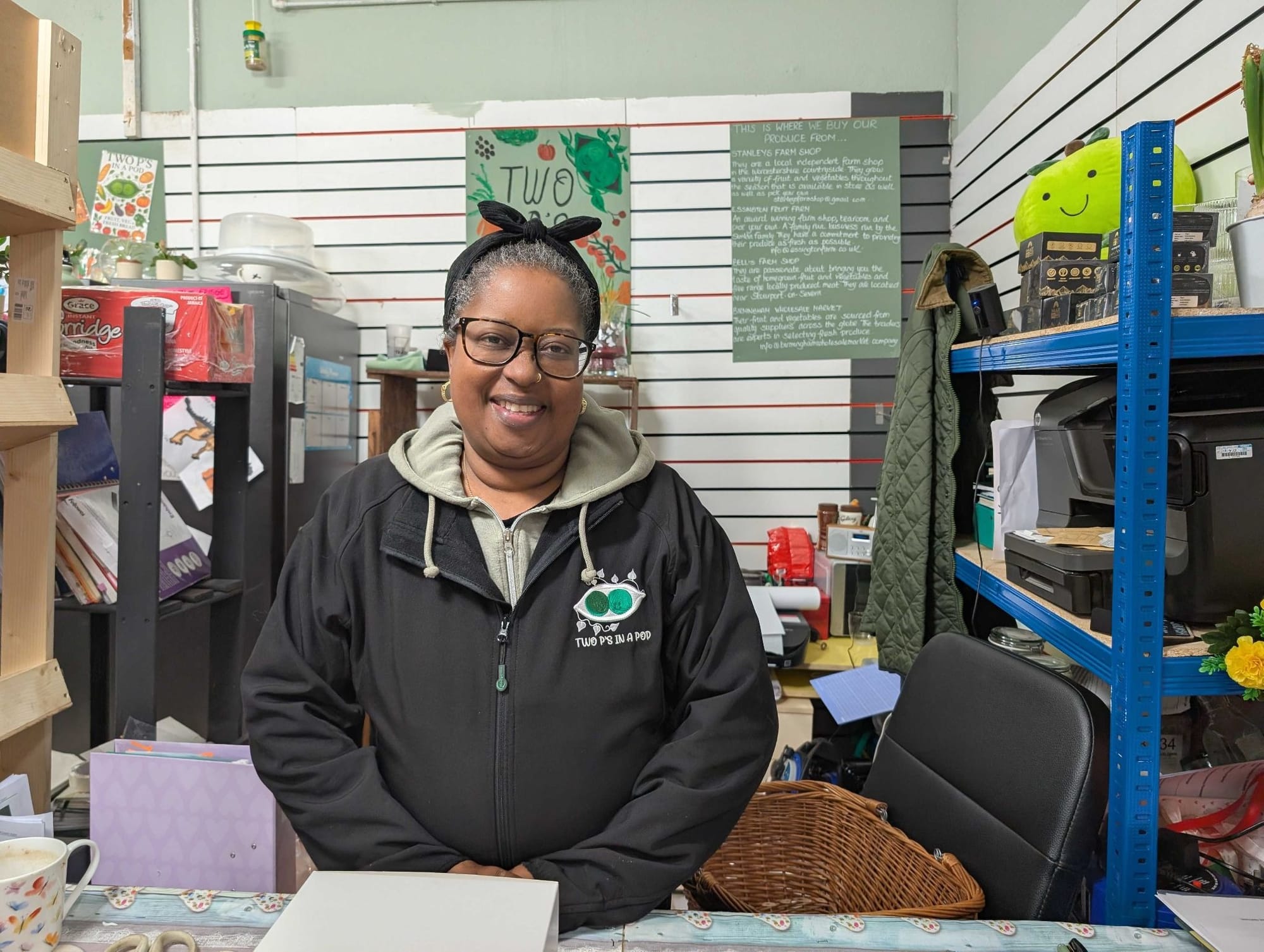
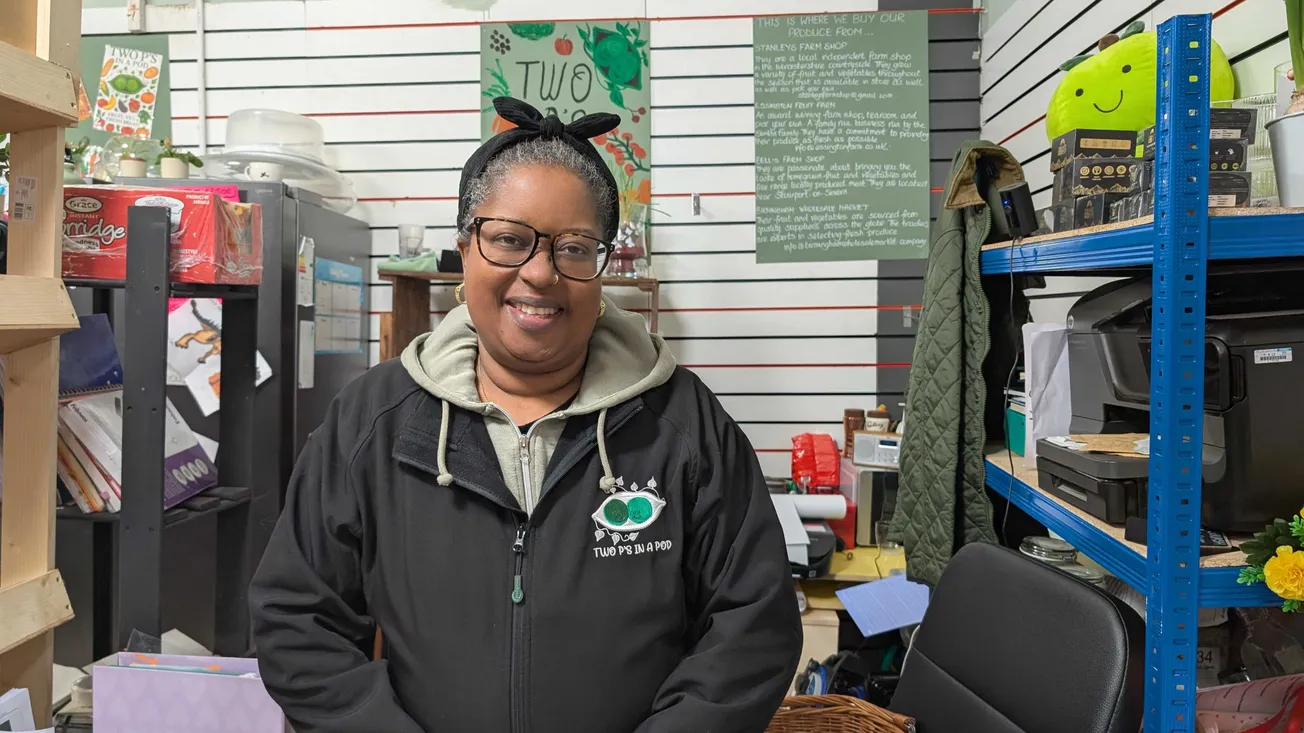
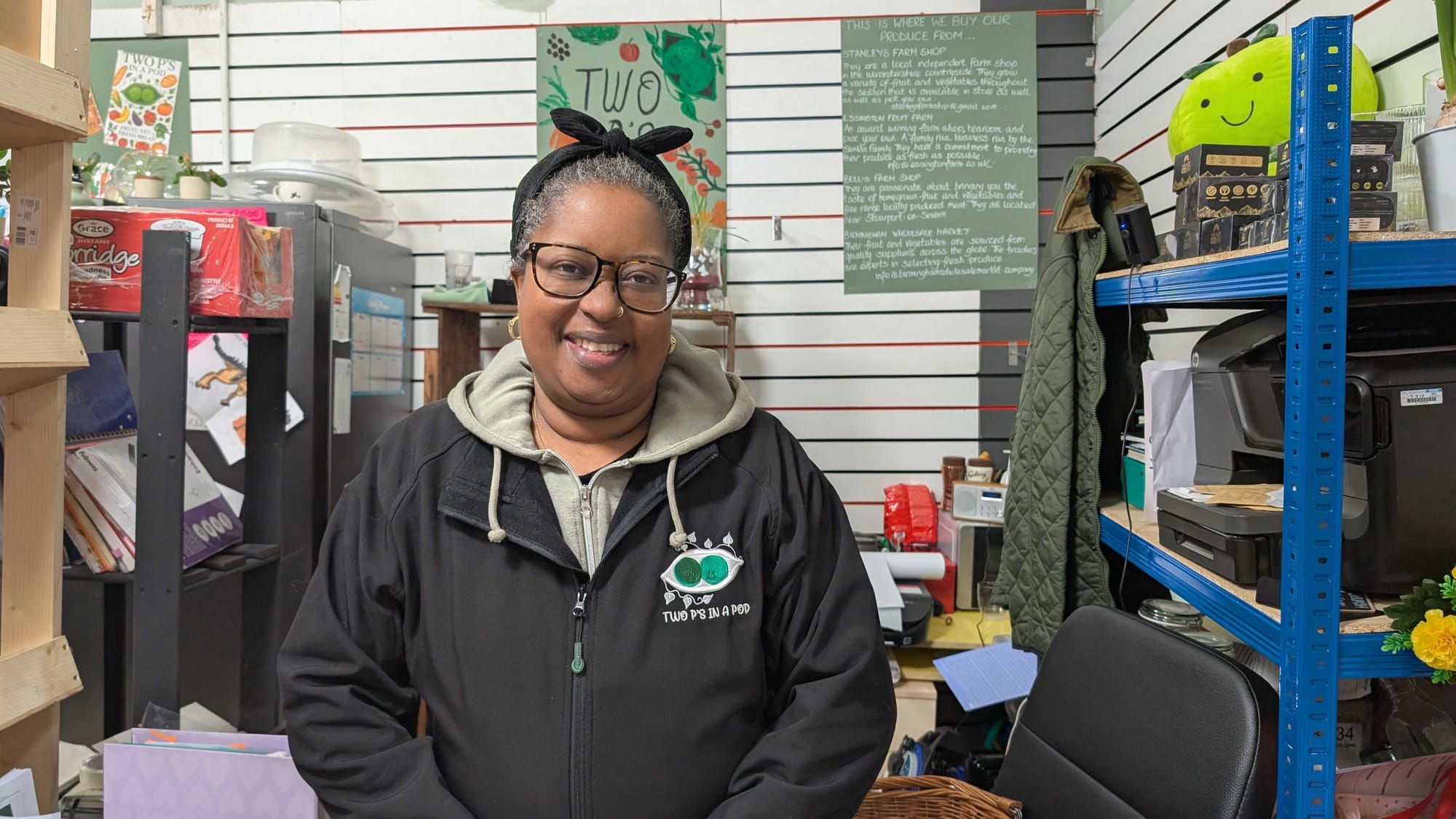
One evening, 18 months ago, Sue Piggins was lying on her sofa recovering from a migraine when her 29-year-old son Jake, a chef, posed a question. Would she accompany him to the wholesale fruit and veg market, he wanted to know. “Sure,” she replied, before adding in confusion “why, exactly?” His answer: Jake and his identical twin brother, a teaching assistant called Alex, had decided to set-up a greengrocers shop in Bearwood Indoor Market. Oh, and the rent on their little stall had already been paid.
Cut to today, and Two Ps in a Pod is still a family affair and a successful business — and they get plenty of help by offering work experience placements to school children, and via Sandwell Job Centre and the Midland Metropolitan Hospital. “They’re really nice,” Sue tells The Dispatch. “A lot of people with anxiety come to work here and it gives them a bit of confidence.” The proud mom started out by doing the Two Ps accounts and promo (you can buy aprons, jackets and bags with their incredibly cute logo on them) but also helps out when her sons are busy. “The boys work hard,” she explains. “Alex runs a school drama club and Jake [who works on a food truck] keeps unsociable hours.”
As well as fresh fruit and veg, the Piggins’ stock bread and cobs from the Crusty Cottage in Quinton. Plus you can order their cookies and cakes to pick up the next day, making the Two Ps a vital spot on our recently inaugurated Bearwood Snack Trail.
Quick Hits
🌲 Mandem in the Woods (not the hood) is an all-male walking group that takes men out of the city and into nature for fitness, connection, and head-clearing discussions around mental health. Aimed at any men who might want a space to (shock horror) express their feelings, the group hosts talking groups (Mandem Mondays) as well as hikes in picturesque places like the Malvern Hills. (Instagram).
🏅 More than 100 young people in the West Midlands have been named as finalists for the Inspirational Youth Awards 2026. The big night takes place this April in Birmingham, celebrating the achievements and impact of inspiring young people from across the region.
🖼️ The Seeking the Pioneers exhibition is currently on display at Birmingham Library, celebrating activists and community leaders who have played a vital role in anti-racist work across the city.
📚 Local author Shane Moss published his debut fantasy novel Enter the Snowmen this week, and it’s set in Birmingham. Born and raised in Sparkhill, Moss attended the Moseley school from 1984-1989 and tells me the redbrick tower served as inspiration for the book’s setting. He says he hopes local Brummies who read it find it “familiar and warm”.
If someone forwarded you this newsletter, click here to sign up to get quality local journalism in your inbox.


Comments