
The claw releases the edamame bean plushie and drops it into the drawer of the machine below. I retrieve the prize and add it to my pile of loot; it smiles serenely up at me, nestled next to a lemon-coloured Christmas stocking and a yellow pokemon. Arcade games aren’t usually my thing, but my companion, James Bond Wong, has assured me this one is worth it. Besides, I have nothing to lose: he’s paying.
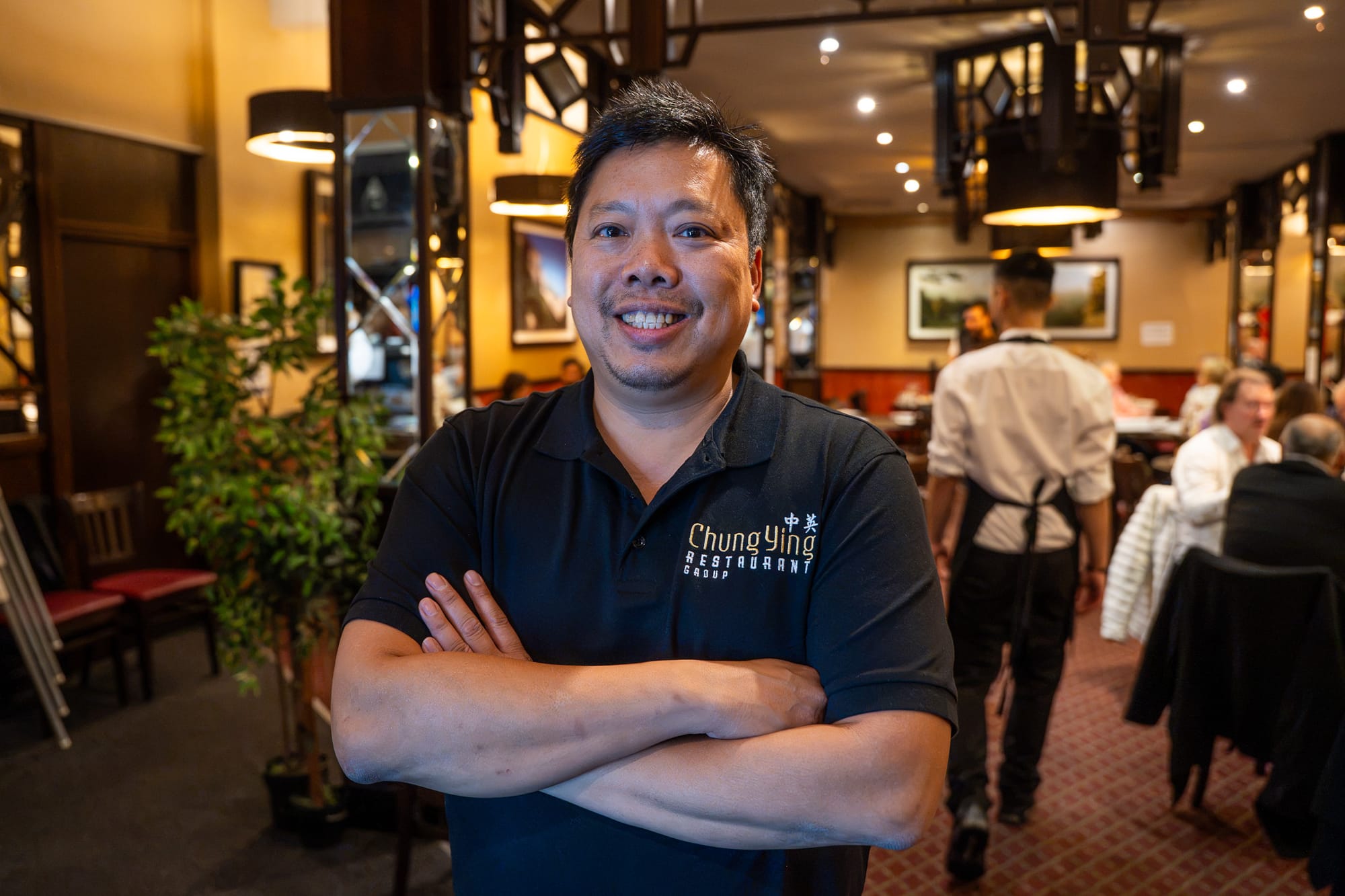
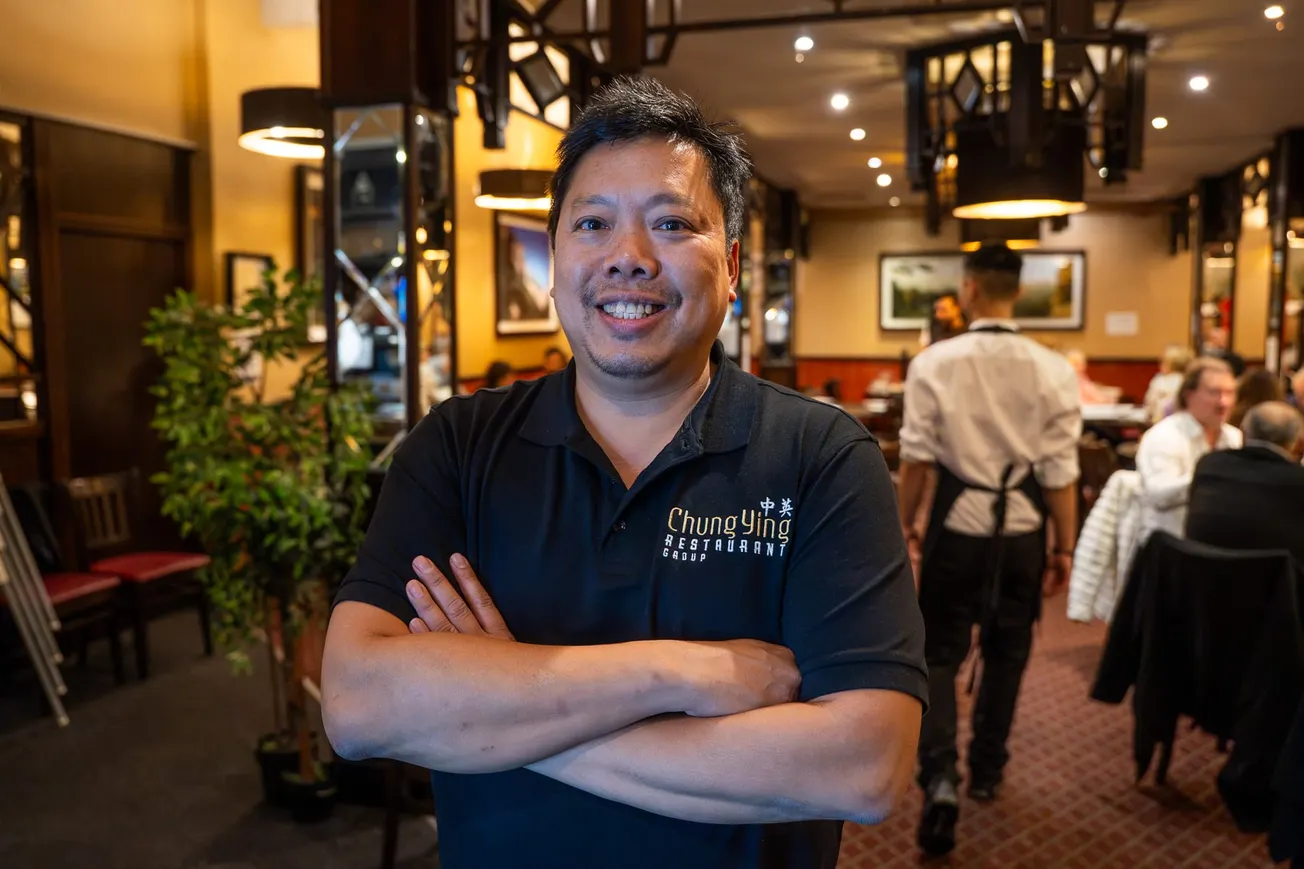
We’re among the neon lights of the Lucky Claw arcade, above the Han Dynasty Food Hall on Bromsgrove Street. The games are a necessary reprieve from the feasting. We’ve already visited several eateries — including Wong’s own, the long-established Cantonese restaurant Chung Ying — and my belly is full of dim sum, pork belly and chicken feet.
China Town seems to have managed the impossible. Every week when I walk around the area I notice a new restaurant or cafe, its tables full of diners. The data confirms that the area is booming, with the number of East Asian eateries and cafes on ten streets in Southside up by two-thirds in just four years, up from 47 in 2022 to 77 in 2026, according to our analysis of Food Standards Agency data.
Chinese, Vietnamese, Japanese, Korean and other East Asian cuisines now make up nearly three-quarters of the area’s restaurants and cafés, up from just over a half in 2022.
As the rest of Birmingham’s — and indeed the country’s — hospitality sector limps along, China Town has somehow bucked the trend. I’ve called on Wong to help me to understand why.
As I will soon learn, major success doesn’t necessarily mean plain sailing. Behind the curtain some of the major players in this success are locking horns in what might be described as one of Birmingham’s most low-key power struggles.
Chung Ying sits on the same spot of Ladywell Walk as when it opened in 1981. The street was largely derelict back then, and though there were a few Chinese restaurants dotted along Bromsgrove Street, the neighbourhood was better associated with nights out. But where others saw empty lots, Wong’s father saw opportunity. Hoping to capitalise on the theatre goers heading into the nearby Hippodrome, Wong senior opened the city’s first Cantonese restaurant.
When I greet Wong at the restaurant, he’s wearing a zipped cream jumper and jeans, and directs my attention to the certificate-covered inside walls, from ‘Best Dumplings’ to ‘Restaurant of the Year’. Wong tells me they have won so many they’ve had to stop applying: “it's become embarrassing,” he says.
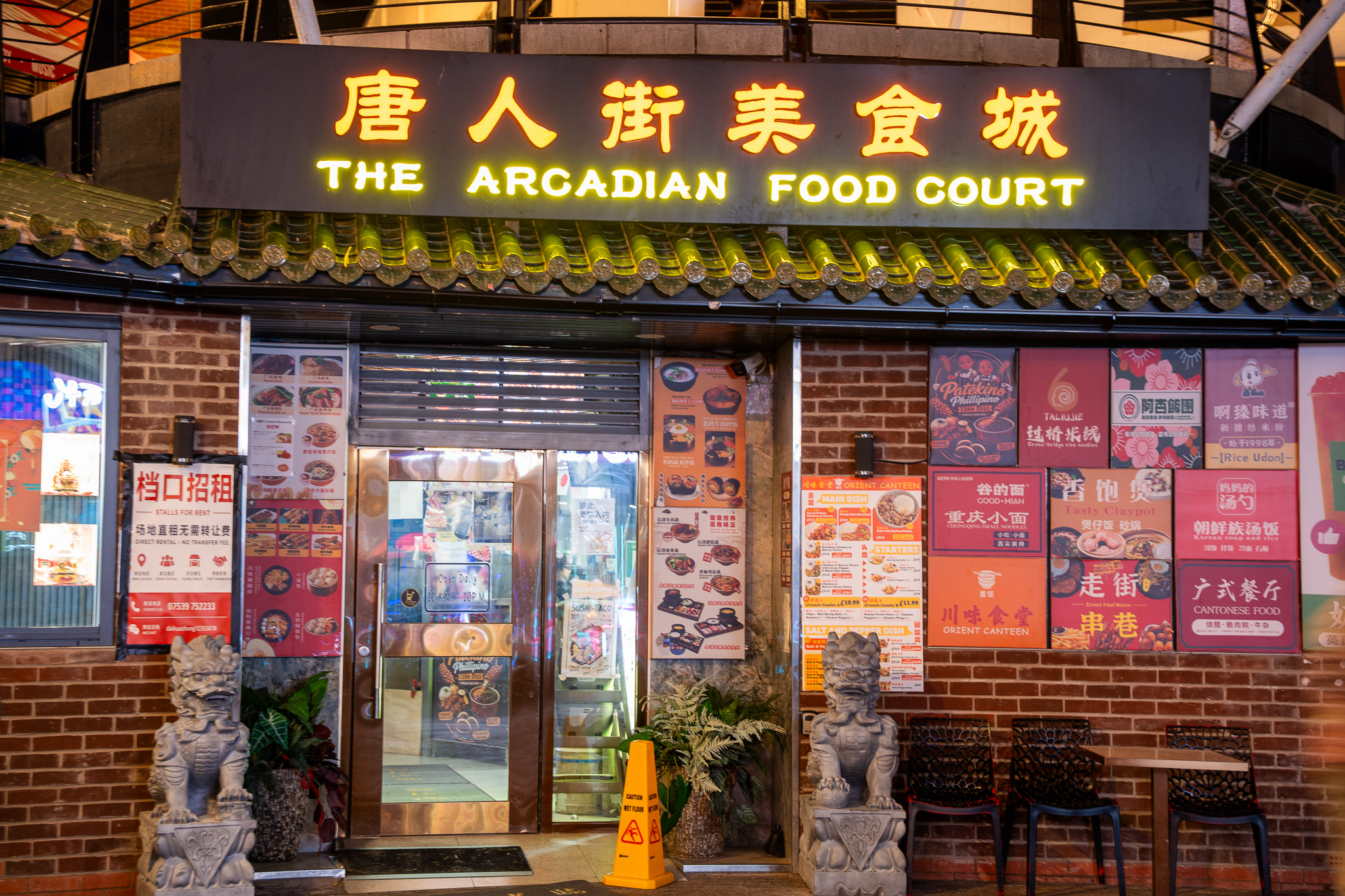
As he tells it, Chung Ying was “the catalyst for the building of China Town”. Sure enough, over the next decade many more Asian restaurants appeared on the surrounding streets. In 1991, the Arcadian opened just across the road from Chung Ying, providing yet more space for bars and restaurants and designed specifically to allow China Town to expand.
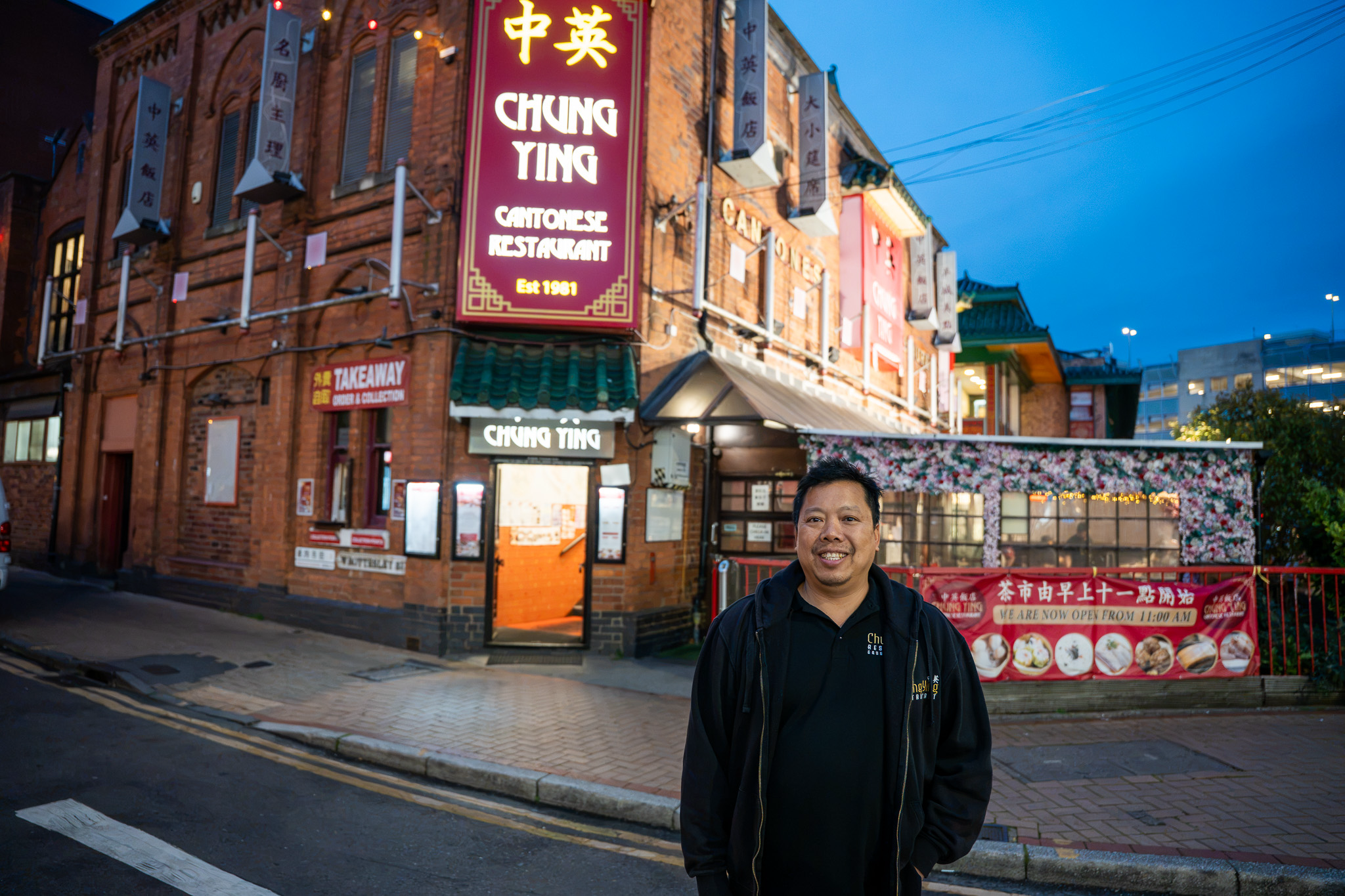
Wong, whose middle name ‘Bond’ was the result of his father’s obsession with the 007 films, has carried on his family’s legacy (as with the restaurant, the love of spies seems to be a patrimonial trait — Wong Jr has personalised 007 number plates). These days he’s a community figurehead; organising the majority of the neighbourhood's events, including Chinese New Year. He also heads up the Midlands Chinese Federation, a charity he founded this year.
From the windows of Chung Ying, he’s watched the area grow and change with the passing years. This is by no means a nationwide trend. “London China Town is confined to Soho,” he begins his appraisal of the country’s China Towns and their various failings. “The only way it could grow is if it moved to another area…Manchester China Town is just a square and all the big restaurants I used to go to are gone.” He pauses. “And Liverpool China Town is dead.”
Why is ours thriving, then? Wong believes the answer is simple: there is space. He gestures towards Digbeth with one arm, drawing a sweeping line towards Curzon Street where the HS2 station will one day stand. “All of that area is kind of untapped if you go further down Hurst Street, all that is being bought up by Chinese people”.
This story is free to read - you just need to join our mailing list. And why wouldn't you? By becoming a Dispatch subscriber, you'll get our scoops, features, and insights, in your inbox, the second we hit publish. No card details required.
Already have an account? Sign In