
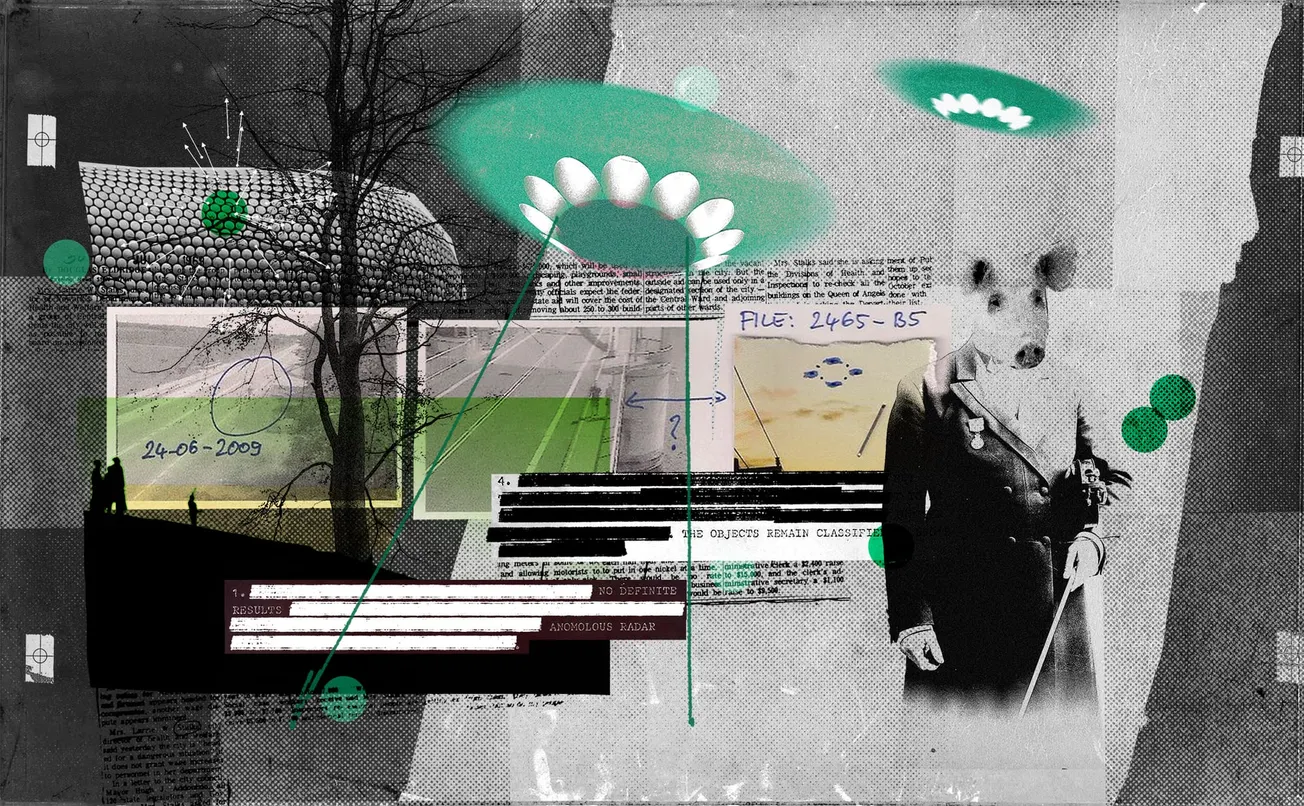
Dear readers — did you know King Arthur is buried in a hill in Hagley? No? Where have you been? For today’s story, Madeleine is immersing herself in hyperlocal folklore. The West Midlands is full of myth, legend and urm… pig men sightings. Every region’s got its own distinctive flavour of story — what marks ours out? And why is it so, well, weird? Find out in this journey into the Shropshire hills and back again, exclusively for our paying subscribers.
But first, your Brum in Brief.
Brum in Brief
🎓 Scholars and students are pushing back on management Birmingham City University (BCU) who have pulled the plug on a groundbreaking masters course less than a year after it was launched. The Black Studies MA was introduced in September 2025, two years after the BA course — the first of its kind in Europe — was axed by new(ish) vice chancellor David Mba. Kehinde Andrews, professor of Black Studies at BCU, revealed that Mba has decided to close the MA without consulting staff, potentially the team from five staff members to two. In an open letter, authored by Andrews — and signed by 131 “colleagues and stakeholders” — the academic accuses the university’s executive team of discriminating against black staff. Addressing the university's board of governors, he asks them to intervene to stop the redundancies to retain Black Studies in the curriculum. “This decision (and others) risks bringing the university into disrepute and being seen as an untrustworthy organisation that does not support its Black staff and students.” A spokesperson for BCU said a small number of courses is being withdrawn due to low demand and the university is exploring opportunities for alternatives. They added: "A consultation process is underway with affected staff to discuss the impact of the course closures and explore reasonable options to minimise roles at risk." The Dispatch reported from inside the fallout from Mba’s decisive new regime last year — read about it here.
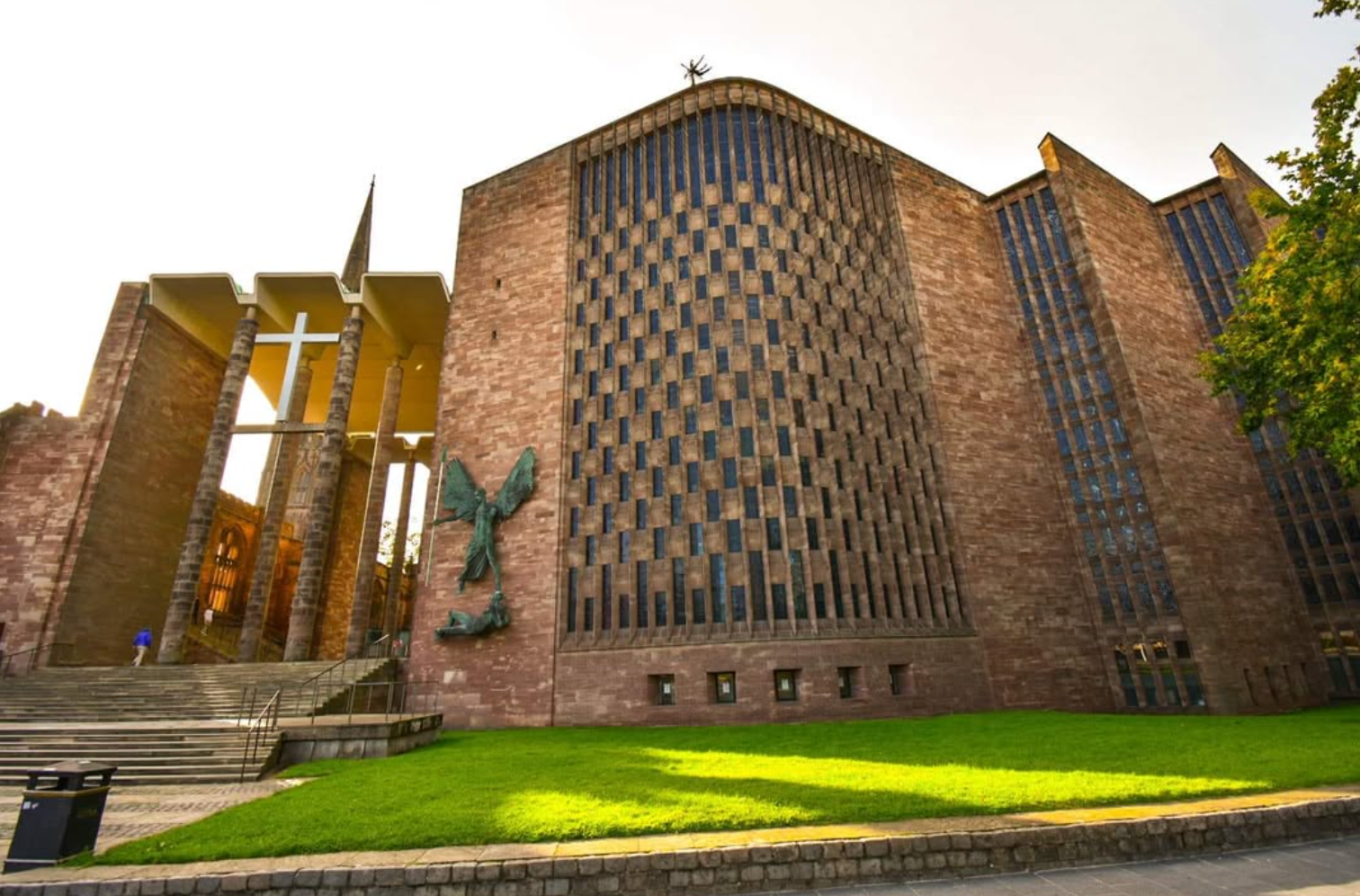
🎻The City of Birmingham Symphony Orchestra (CBSO) have announced their 2026-2027 season, promising performances of all of Beethoven’s symphonies, film and pop concerts and, perhaps most excitingly: the return of War Requiem to Coventry Cathedral. The choral and orchestral composition, composed by Benjamin Britten, was commissioned for the consecration of Coventry Cathedral in 1961. It will be performed in the cathedral on November 11 as a “reflection on war and cry for peace,” says Emma Stenning, the CBSO’s chief executive. Adding: “This concert at Coventry Cathedral is for and about the Midlands – its heritage, its history and its people: a Midlands-based cultural experience that will have worldwide resonance.”
🗳️Birmingham Yardley MP Jess Phillips has become one of the most significant voices to resign her ministerial job as Labour MPs move against troubled prime minister, Keir Starmer. Phillips, one of the most recognisable politicians in England, published her resignation from her role as safeguarding minister on social media yesterday, saying she couldn’t “continue to serve [...] under the current leadership. The letter, directly addressed to Starmer, brought up specific concerns Phillips has, including his failure to move on online child grooming. “How many children were left without a safety net in the time we dilly dallied and worried about tech bosses?” she wrote.
Quick hits
- Nominations are open for the Birmingham Jane Jacobs award, which champions those who have contributed to the protection of Birmingham’s built environment. Previous recipients include Mary Keating and Jenny Marris, the authors of Birmingham: The Brutiful Years. Click here for the nomination form.
- An inquest has opened at Birmingham Coroners Court after 40-year-old Richard Ayling fell to his death from the roof of Herman and Cooper over bank holiday weekend. The court heard that his death was “violent and unnatural.” (BBC)

The Dispatch is on WhatsApp. Get in touch with any tips, stories, or things you think we should be looking into by clicking the button below.
Aged 17, I’m driving through the serene Ludlow countryside. It’s a beautiful day, my hands are at ten to two on the steering wheel, my eyes fixed on the road. Things are fine, better than fine. I’m a natural at this. Out of nowhere, my driving instructor Chris gestures at a hill ahead of us — Clee Hill, that is, and says: “You know you can see the Ural mountains in Russia from up there?” He isn’t right, but later, I do eventually puzzle out where he pieced this together from. Apparently, there is no higher point from the top of Clee Hill until the Urals. Apparently, radio signals from Russia have been picked up from atop the hill, and, if this isn’t proof enough for you: the now-closed pub which was Shropshire’s highest was called The Kremlin. So why not believe something like that?
Fast forward through the years to the present day, or within whistling distance of it — just three weeks ago. Now, I’m 23 and once again, I’m driving, except this time I’m with my dad. We’re heading through Hagley and he points to Wychbury Monument and tells me King Arthur is buried there. He’s half joking, but he’s sure he heard this from someone else. I contact the Hagley history group to fact check my dad’s friend and they tell me that they’re only interested in facts. They also say they have never heard this legend. Fine, my mistake.
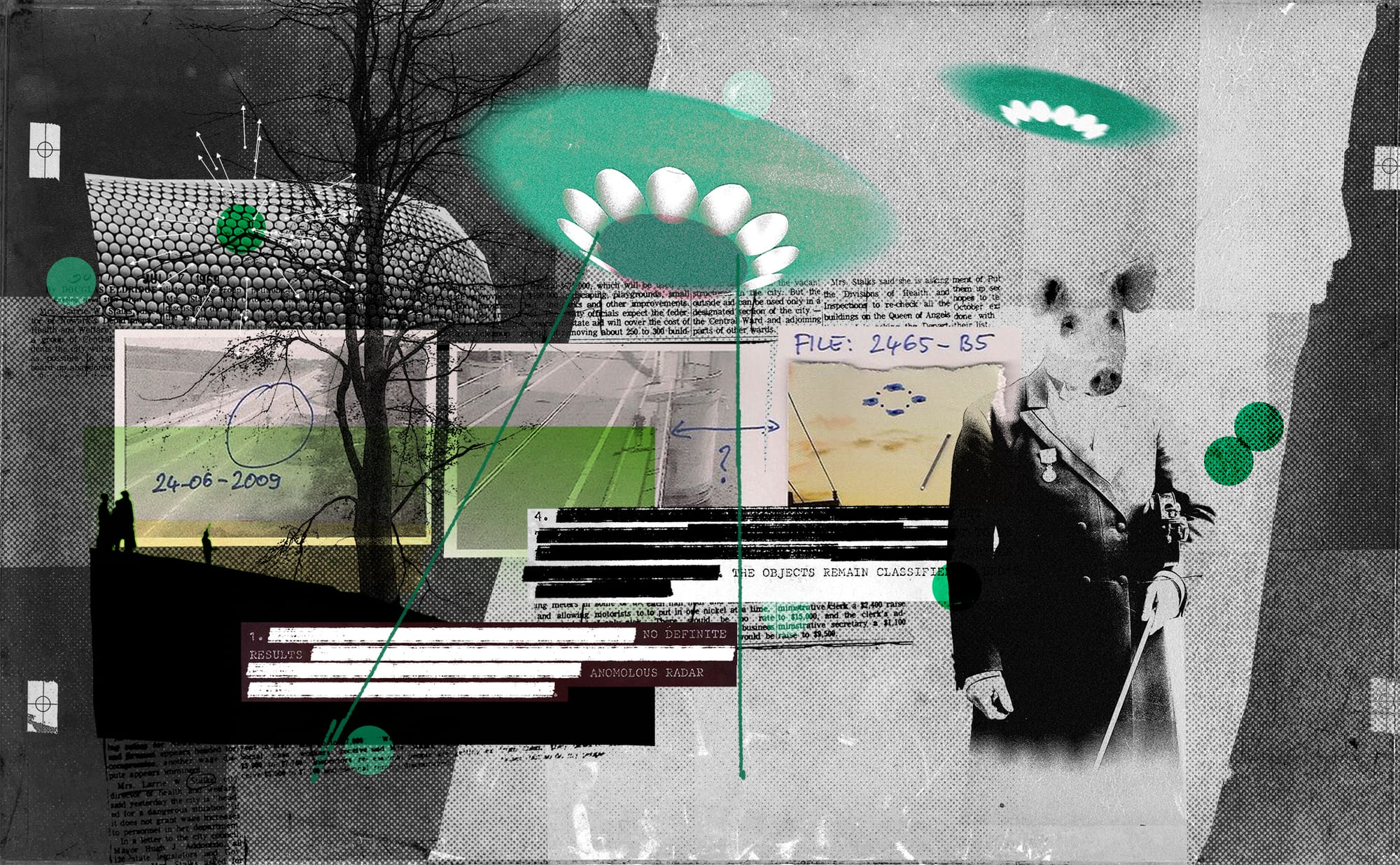
These two incidents are colourful, but they’re not exactly anomalies: I’m constantly being told myths and folklore about this area. My nan will say Dudley Castle has a resident ghost, my mum will swear that the roundabout by the Hawthorns is haunted and plenty of Dispatchers got in touch with me to share tales just as seemingly unbelievable as my own. The beauty of the Midlands is that folklore and legend is widespread and accepted — from pig men, to aliens, to trolls under bridges to ghosts.
To try and define ‘folklore’ is to out yourself as a beginner in the field: as Alan Dundes wrote in the introduction to The Study of Folklore, “Debates about how folklore should be defined have been waged continuously ever since the word was coined in 1846 by [British writer] William Thoms.” As he notes, folklorists across different countries have different ideas of what folklore entails — but then, so do folklorists within one country. We define folklore primarily not by what it is, but how it’s communicated: “folklore is said to be or to be in ‘oral tradition’”.
Traditionally, the word acts as an umbrella for legends, stories and customs passed down generations. It’s clear that in Birmingham and the West Midlands, the cyclical lifespan of folklore is very much alive. Juliette Harrisson, a senior history lecturer at Birmingham Newman University, says that’s because folklore is all around us here. “We are surrounded by medieval churches, ruined castles and abbeys, and bits and pieces of Roman and even older remains.”
Hi, Madeleine here. You need to be a paying member to continue reading this deep-dive into West Midlands folklore.
Sign up today and support local journalism. We're a tiny, two-person team based right in the heart of the city, desperate to give Birmingham the kind of journalism which is worth paying for.
It's £8 a month to support us: you'll get extra editions landing in your inbox every week, exclusive access to events, and the right to comment your thoughts under any article.
Birmingham deserves great journalism. You can help make it happen.
You're halfway there, the rest of the story is behind this paywall. Join the Dispatch for full access to local news that matters, just £8/month.
SubscribeAlready have an account? Sign In