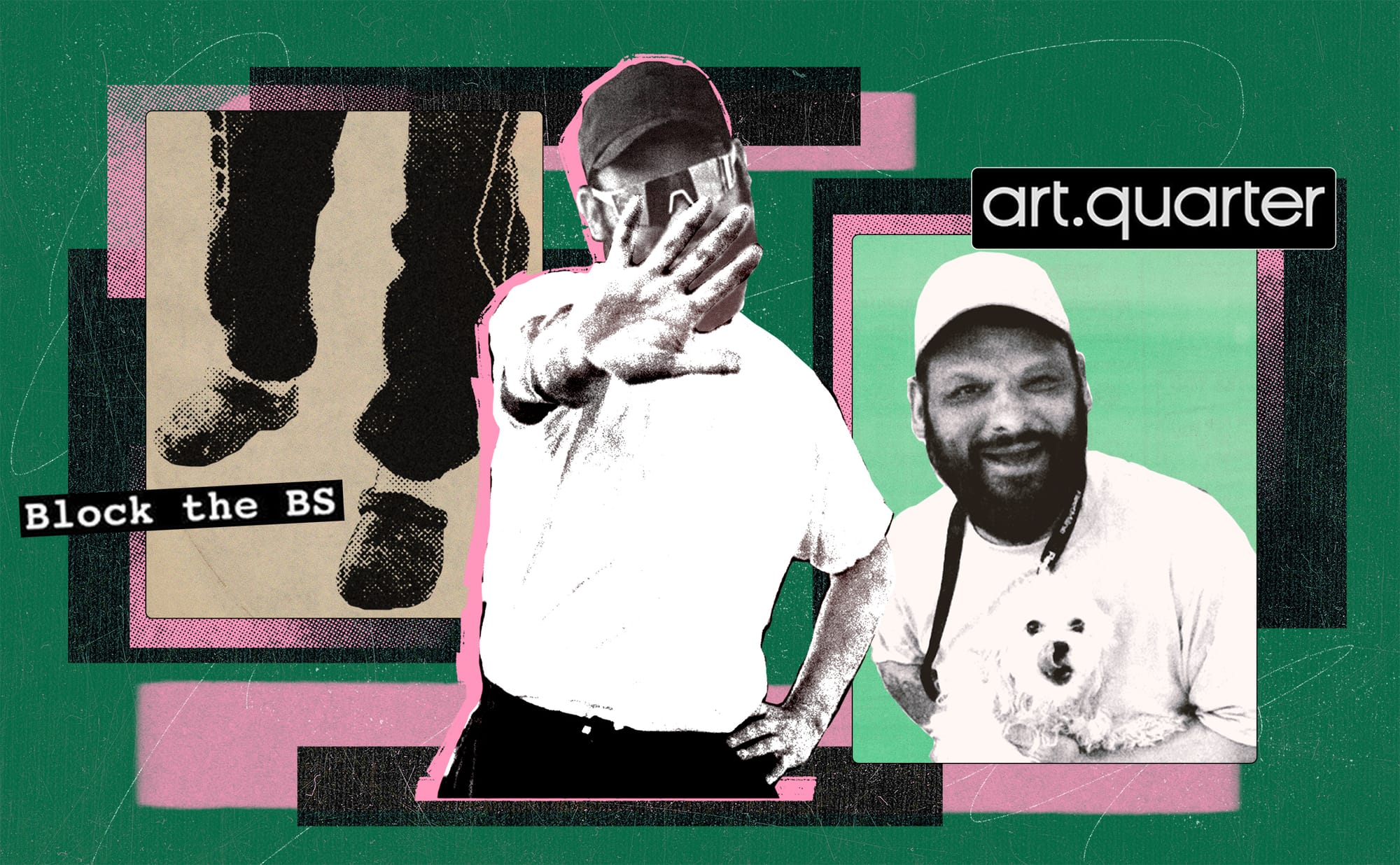

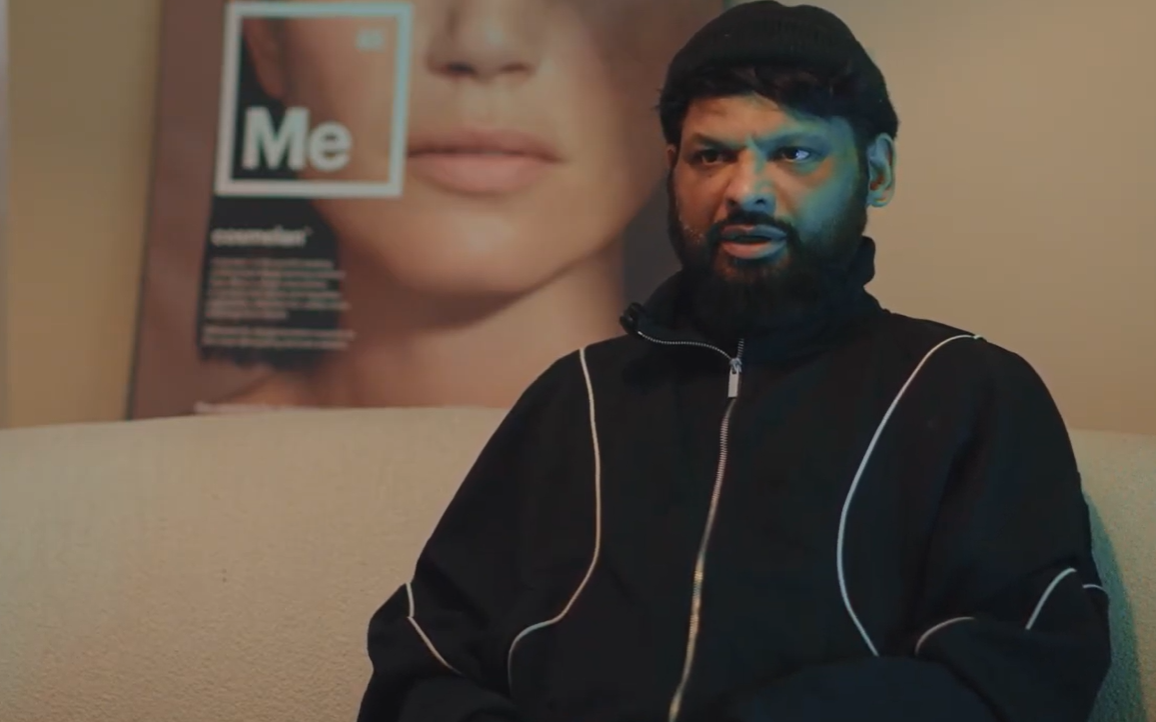
Jordan Patel is feeling reflective. Sitting on a couch in his trademark beanie hat in the first episode of the new documentary, Building Jordan, the founder of Art.Quarter, which includes the UK’s first halal food hall, explains why it is that he has finally decided to face the cameras. It’s time, he says, to “be in control of [his] own story,” and to answer the question “a lot of people” are apparently asking: “Who is Jordan? Who is Jordan Patel?”
Is anyone really asking this question? Well, judging from the fact the documentary has accrued a fairly paltry 242 views in the three months since it was released, the answer would seem to be no. Until not long ago, I’ll confess, Patel’s was a name I hadn’t heard of. But in the last month that question has actually gotten a lot more interesting.
Late last week, it was reported that a fire had torn through Art.Quarter, gutting the premises and causing millions of pounds of damage. At the time of the fire Patel was the recipient of understandable sympathy. He’d built the business from scratch into a flagship space which had received consistent praise, even warranting a visit from the home secretary last year. “I am devastated, not just for me but for all the businesses and people who had found a safe, inclusive space to fulfil their dreams,” Patel told Birmingham Live.
Patel also speculated he might be the victim of an arson attack, a theory based on the huge amount of real-life and online abuse the business had been receiving: “I hope my instinct [that] this could have been arson is not right but that was my first thought." West Midlands Police have since ruled it was accidental.
But not everyone is feeling sympathetic. A few weeks before the fire, a letter began to circulate around the city’s creative community. “We are writing to make you aware of serious allegations and concerns concerning Jordan Patel, raised by current and former staff members, vendors and businesses who have had direct dealings with him,” the letter begins, going on to explain that “more than 12 individual cases are being documented, with further individuals coming forwards.” The allegations range from “threatening, coercive, intimidating and abusive behaviour towards women” to “significant unpaid wages”.
Thanks to the documentary (which has six episodes), we have plentiful insights into how Jordan was built. Finding Jordan, however, has proved a lot trickier. Patel has declined to answer any of my calls since I began my reporting, and he has not replied to my WhatsApp messages. He finally replied to an email late yesterday afternoon requesting further details of the claims made by the 14 former staff members The Dispatch has spoken to, and that I delay my story by two weeks while he considers his response. When I declined his request, he provided a lengthy quote, reiterating his concerns that he had not been given enough specific information about the allegations. He said:
“I am willing to investigate each identifiable allegation and address it on its merits. I do not believe it would be responsible to make definitive statements about serious matters without first establishing the facts, particularly where the privacy and interests of other individuals may be affected.”
There may be another factor complicating matters. Patel, I’m told, has left the country.
Birmingham deserves great journalism. You can help make it happen.
You're halfway there, the rest of the story is behind this paywall. Join the Dispatch for full access to local news that matters, just £8/month.
SubscribeAlready have an account? Sign In