
Dear readers — the local elections were done and dusted two weeks ago, right? Well, as we are sure you’re well aware, the newly fragmented council remains under no overall control. The past fortnight has seen party leaders hurrying to try to form alliances with ordinarily unlikely bedfellows in an attempt to win power. Now, three groups have come together to try to launch the mother of all takeovers. Can the Greens, Lib Dems, and seven independents make it work? Read on for the full story.
But before that, your Brum in Brief.
Brum in Brief
🏳️🌈 West Midlands Ambulance Service has pulled out of this weekend’s Pride parade, saying participation “could breach political impartiality” in a letter from the trust executive board. The letter continued to say that participating could “create a reasonable perception that WMAS actively supports specific views which would be contrary to the protected beliefs of some people.” In response, an anonymous WMAS staff member told the BBC: “For many staff, participation in Pride was never viewed as a political statement, but as a visible commitment to inclusion,” adding that the decision had left colleagues feeling “isolated.”
🎸 Black Sabbath guitarist Tony Iommi has received a Lord Mayor award for his musical achievements and contribution to the creation of heavy metal music. (BBC)
🏡 Birmingham city council has signed an agreement for the £1bn regeneration of Druids Heath, which will see 3,500 houses delivered over 20 years. (Inside Housing)
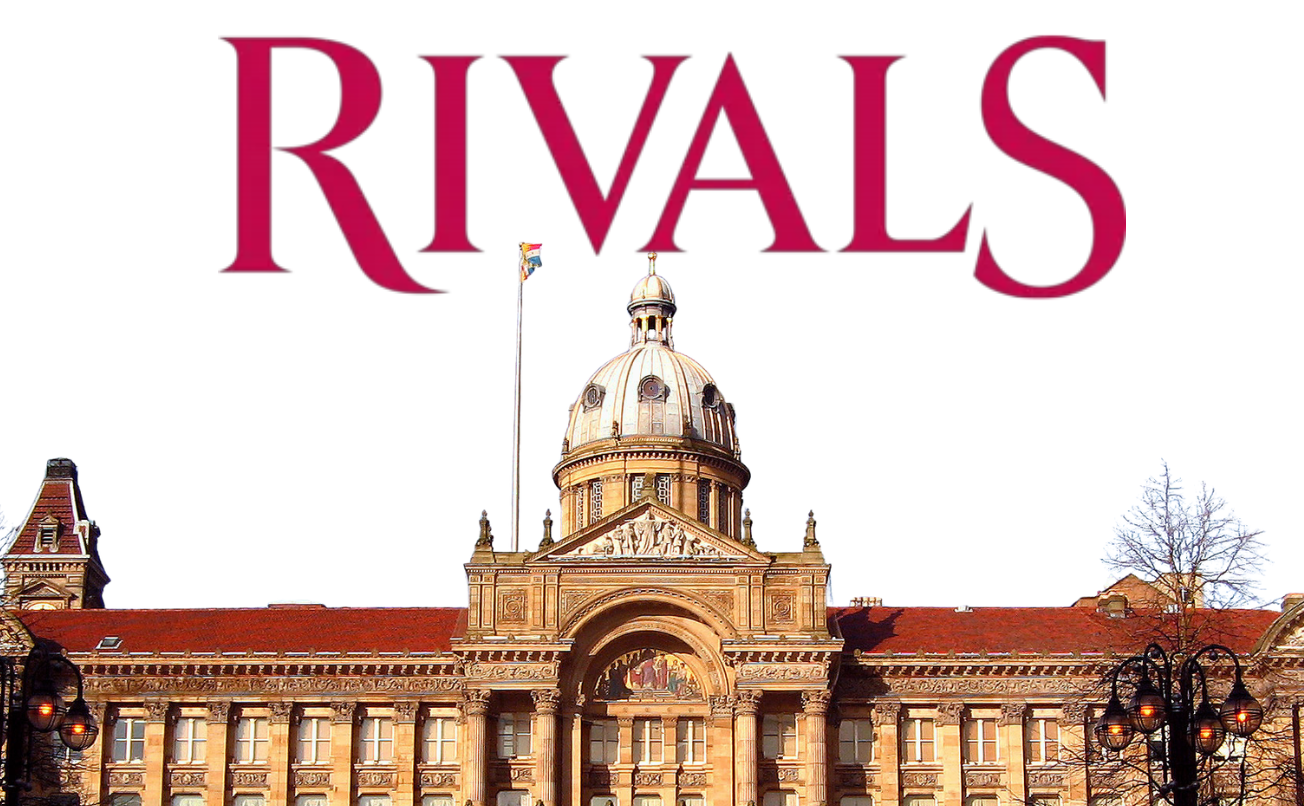
When polo-playing Tory MP Rupert Campbell-Black strides into Declan O’Hara’s house and proposes a partnership with the firebrand socialist reporter, all bets are off. Ideologically, they couldn’t be further apart – but the stakes are too high to avoid the inevitable. Namely, teaming up to vanquish their mutual enemy: tyrannical television entrepreneur Tony Baddingham.
He’s ruled the airwaves for too long, they decide, and it’s time for them to form their own production company. It will be “the mother of all takeovers,” the mustachioed O’Hara declares, smoke pluming from the cigarette between his fingers.
The scene is, of course, off the telly (from the adaptation of Jilly Cooper’s 1980’s bonkbuster Rivals, to be precise). But this is roughly how I imagine things have played out at Birmingham city council lately. Parties who, at the start of May, were mortal enemies, are now forming fast friendships to try to create a coalition. This sense of urgency seems understandable, since the local authority is in an unprecedented position: it’s almost two weeks after the elections and there is still no clear ruling group.
So how did we get here? Events over the past year have meant we’ve gone from a tidy two-party domination of the council (Labour had 65 seats at the last election in 2022, with their biggest opposition being the Conservatives), to something much more fragmented. In the recent elections, Reform won their first seats on the council and in doing so, managed to chalk up the most seats in one go (23). The Greens went from two seats to 19. Plus, we have 13 independent councillors (more on them later). The Lib Dems have exactly the number of seats they won at the last election: 12. We also have one, lonely member of the Workers Party.
Under our first-past-the-post system, you’d expect the party ruling the council to be determined by whoever scored a majority: but since no party acquired the 51 seats required for that to happen, it seems logical the ruler will not be one party but a coalition. Of which parties, though? And this is the question that’s still up in the air.
For the past fortnight, party leaders who are more used to spitting feathers at each other across the chamber have been talking in secret, trying to thrash out deals so they can park their differences and work together to lead Birmingham.
So far, we already have three parties that will presumably not be part of this ruling coalition. While Reform scored the most seats, they’ve already been ruled out. Just four days after the votes were declared, they complained (accurately) that no one wanted to work with them. Similarly, while there was initially talk of a ‘rainbow coalition’ of liberal-leaning parties – Labour, Greens, Lib Dems, some independent councillors, and possibly even the Tories joining forces – Labour nixed this idea in a surprise move on Friday, announcing they would stay on the sidelines.
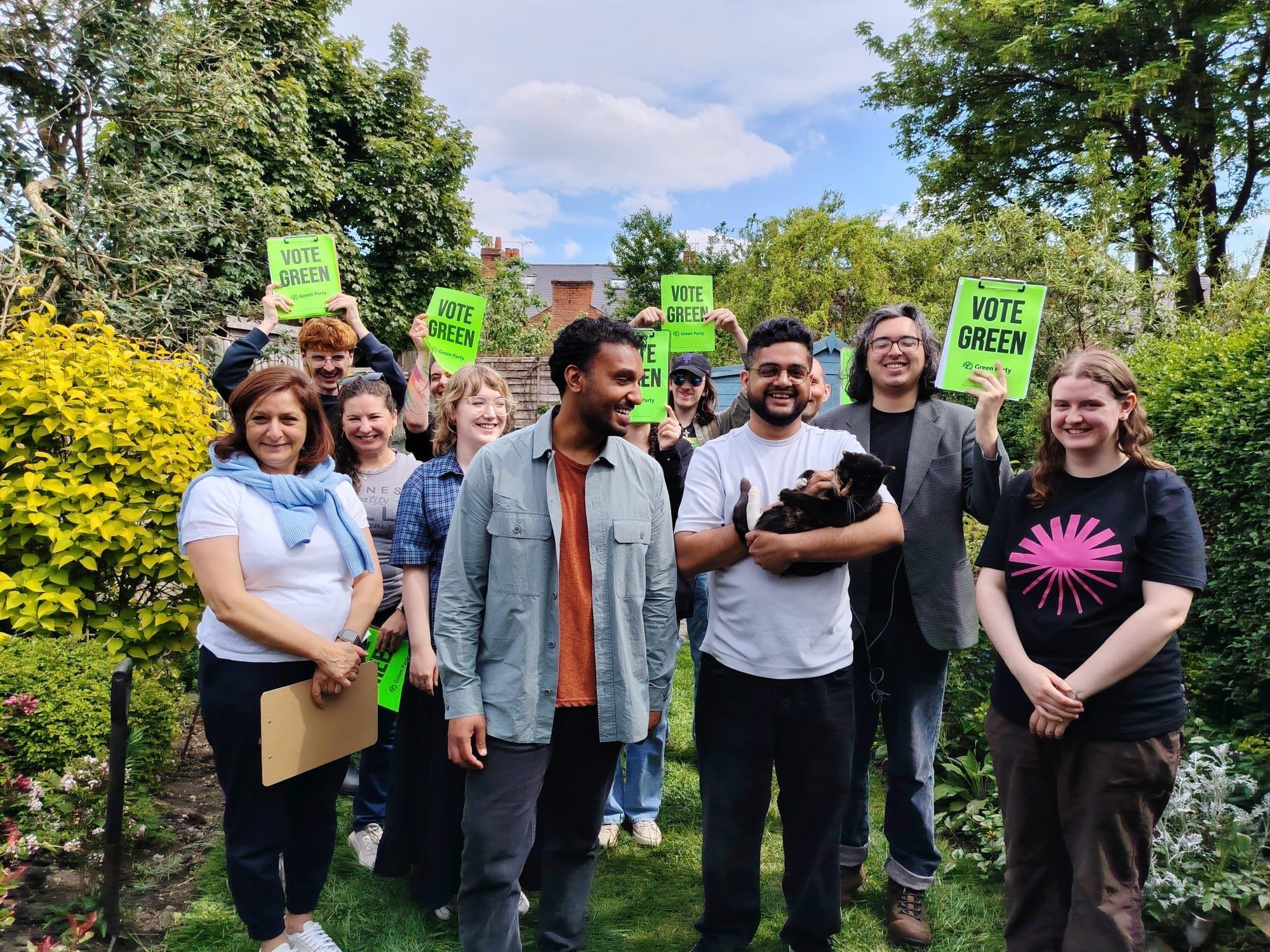
“Now is the time for us to reflect carefully on the result, listen to residents, and rebuild trust and support with our communities,” new leader Nicky Brennan announced on LinkedIn. It’s an approach that has caused consternation elsewhere.
“I don’t think it’s an internal Labour group decision,” one former Labour councillor tells me, adding that the instruction appears to have come from higher up the party hierarchy. Another says, “Labour runs the real risk of all the other parties becoming part of a different kind of coalition,” pointing out that the party is now on the outside with Reform. “Any opposition of the council will be Labour and Reform jointly opposing. I think that's a really stupid position to get yourself into.”
This story is free to read - you just need to join our mailing list. And why wouldn't you? By becoming a Dispatch subscriber, you'll get our scoops, features, and insights, in your inbox, the second we hit publish. No card details required.
Already have an account? Sign In