


Stories like this one are free-to-read but they take a lot of time and money to produce. Our campaign to get 1,000 new members by 14 December is off the ground - join today at a huge discount and be a part of our mission for better local journalism.
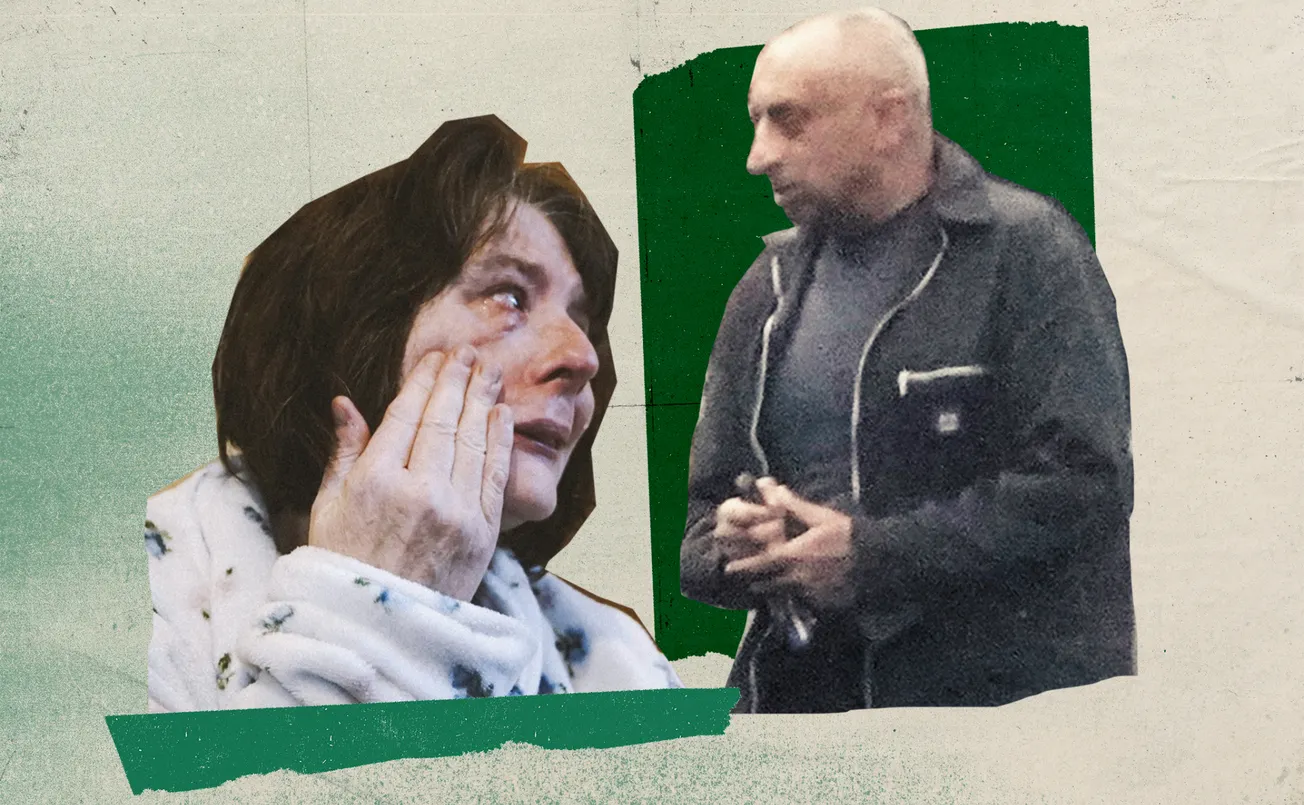
These two faces tell the story of Birmingham’s supported housing scandal.
One of them is Mary Roberts, a 56-year-old woman who lives in a cockroach-infested flat in Handsworth and sobs violently when describing her “rotten” living conditions. “I need to get out here,” she told us.
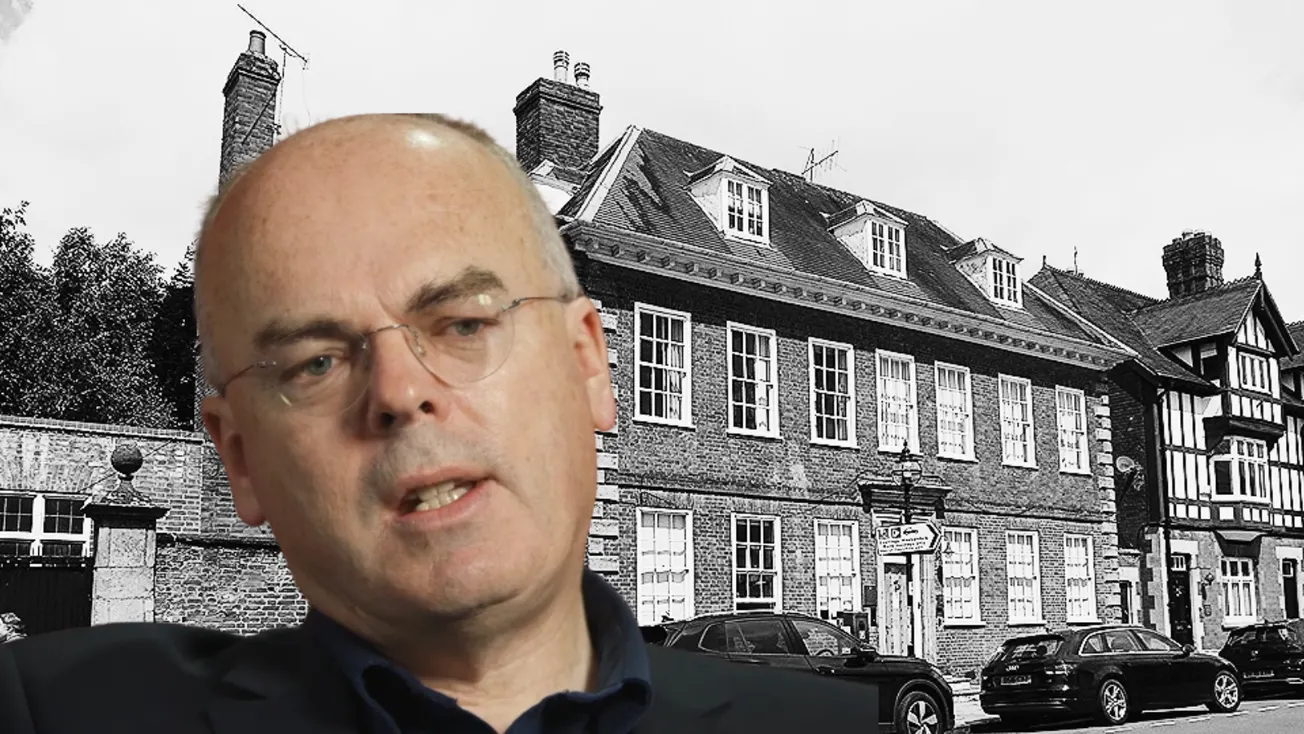
The other is Khaliq-Zaman Khan, whose business is paid huge sums by the taxpayer to look after vulnerable residents like Roberts. Published accounts show Khan's company has made enough profit over the last six years to pay £4.1 million into a vehicle called a 'remuneration trust'. When we started asking questions this week, his company said it was calling the police.
Khan has not responded to our repeated efforts to speak to him, including several visits to his office, calls to his company and a set of questions we sent him on Thursday afternoon.
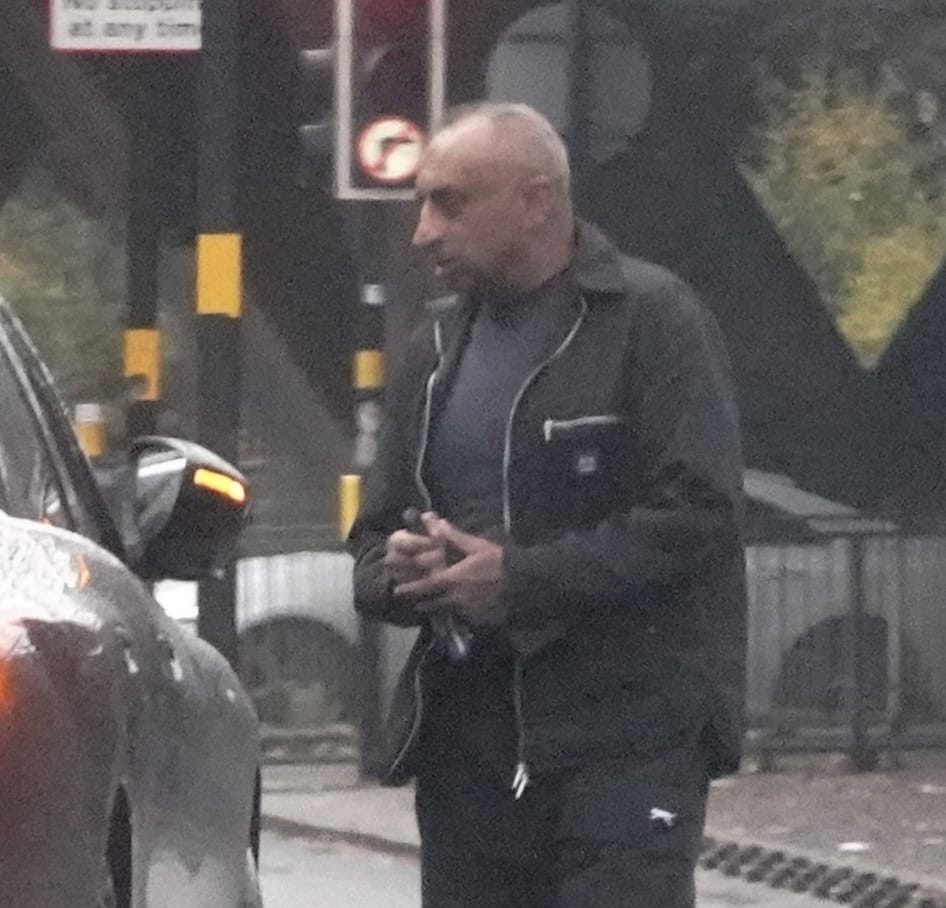
Both photographs were taken this week as part of The Dispatch’s special investigation into the murky world of "supported exempt accommodation”, a kind of supported housing that pays out rents that can be four times the level of regular housing benefit and that has grown to an extraordinary scale in Birmingham.
Today’s story reveals for the first time the scale of income that some of the inside players in this sector have been able to earn from it. It also highlights the role of “managing agents” — a type of business that has received little scrutiny, but which we believe is where much of the money is being made.
The rise of Reds
Khan's management company Reds Housing has grown from obscurity to raking in handsome profits in a very short space of time. Reds was founded by Khan in 2019 and the following year it made £1.79m in turnover, rising to an astonishing £4.86m in 2020/21.
Since then, it has filed small-company accounts, meaning that we can’t see how its income has grown. What we can see, in the notes of those accounts, is that Reds has paid £4.1m into a remuneration trust in the six years to March 2025, including three separate years in which the business was profitable enough to pay in £1m to the trust.
Khan is the founder and sole owner of the business. We have asked him if he is the only beneficiary of the remuneration trust, but he has not responded to our questions.
A remuneration trust is a tax-efficient arrangement that takes profits out of a company without paying them as salary or dividends. Khan has used one before, when he was the co-owner of a small firm called Steps Housing and Support, whose name, profile and owners suggest it was in the same business as Reds Housing.
With 14 employees, Steps generated enough profit between 2016-2017 for £425,000 to be paid into the trust. A year later, the company’s profits were large enough for it to set aside a further £500,000 in its accounts for unnamed employees.
The company was owned by Khan and his business partner Mohammed Rafiq, but again, we do not know who the beneficiaries of this remuneration trust were.
If you know more about this story or would like to pass us documents that will help our ongoing investigation into supported housing, please email us or contact us on Signal at olivial33.83.
By 2022, Steps was inactive. But it had soared right at the same time Birmingham’s supported exempt accommodation sector boomed. That’s just as Khan struck out on his own with Reds, whose website states: “We provide accommodation to vulnerable adults with mental health, offending history, learning disabilities and substance misuse.”
When we visited the offices of Reds Housing this week, a staff member told us that the company manages around 70 properties with approximately 200 rooms, but said he was not aware of their condition. He said he does not know anything about the £4.1m paid into a remuneration trust.
He also told us that the man we had seen leaving the house next door and getting into a grey Audi outside – shown in the photograph at the top of this story — was the company’s owner, Khan.
A council spokesperson confirmed that Reds Housing acts as a managing agent for properties in Birmingham and said it was “not acceptable” that some people are living in poor conditions. “People should not be getting inadequate support,” the spokesperson said.
The hidden agents of supported housing
As Dispatch readers will be aware, supported exempt accommodation is meant to provide vulnerable people with a safe place to live and additional help to get back on their feet. In return, the rent cap on housing benefits is lifted and providers can charge the government as much as they’re able to show that the support meets the vague legislative requirement of “more than minimal".
Housing providers that specialise in this activity, the non-profit bodies that receive this benefit from the government, have become widely known in Birmingham in recent years. Alongside some trusted names, large providers like Reliance, Concept and Ash-Shahada have received negative press coverage and raps from the Social Housing Regulator.
Reds Housing, however, is not itself directly a housing provider. Instead, it is a so-called ‘managing agent’, one of many companies that rent homes from landlords and employ support workers to look after the vulnerable people.
These managing agents tend to be smaller than the providers and much more anonymous, which is why The Dispatch has spent more than six months investigating who runs them and who is profiting from the public money they receive. Crucially, they are also allowed to make a profit.
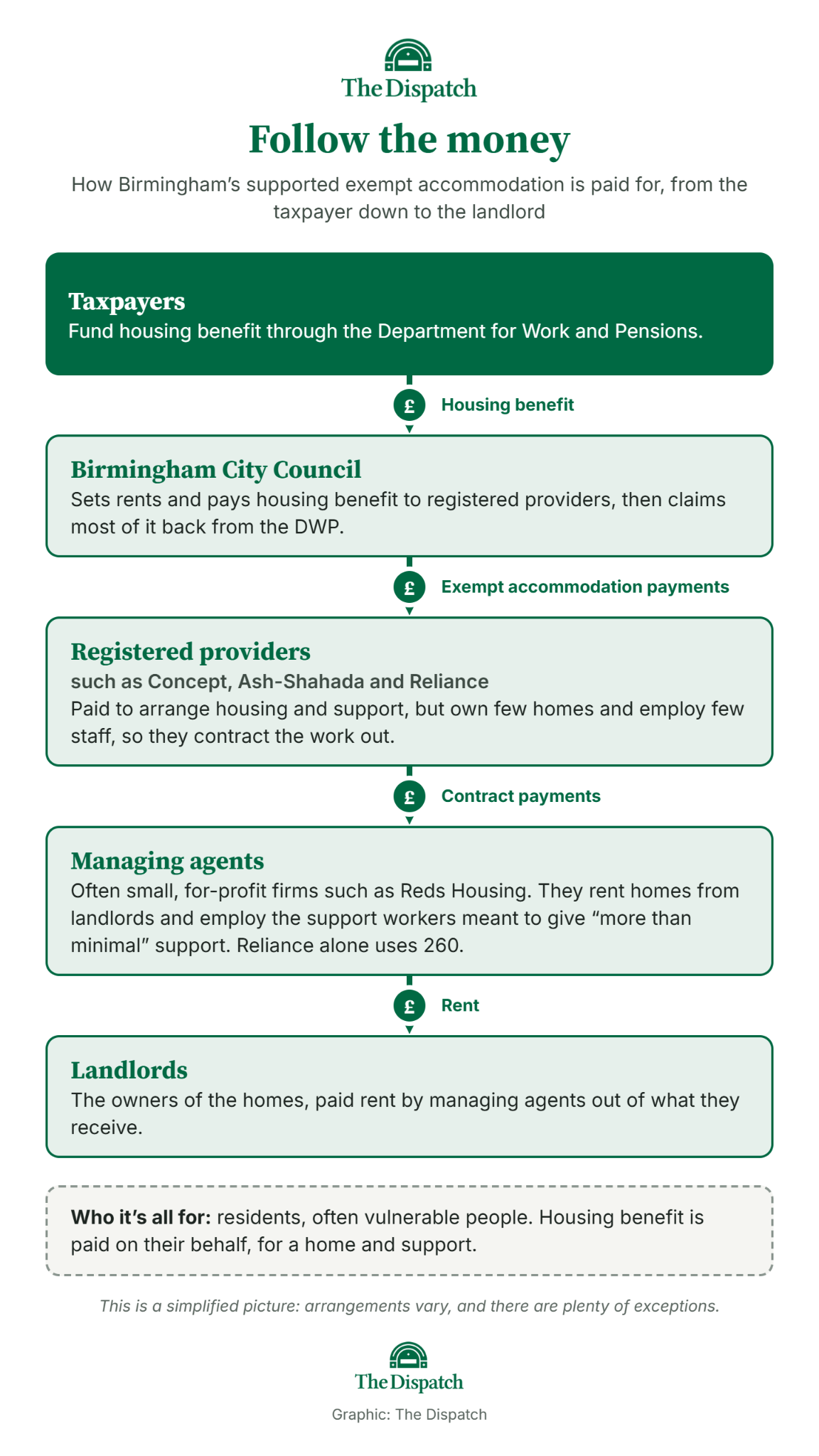
According to an internal council email seen by The Dispatch, Reds Housing has worked as a managing agent for providers like Reliance, Ash-Shahada and Concept, the last of which is run by Liberal Democrat councillor (since 2017) Morriam Jan. A spokesperson for Reliance told us that they have not worked with Reds Housing since 2021. A spokesperson for Concept also said they had not worked with the company since 2021.
The regulator has long deemed most of the major supported housing providers in Birmingham "non-compliant" or worse. Just in the past month, it has taken enforcement action against Concept and initiated only its second-ever statutory inquiry into Ash-Shahada.
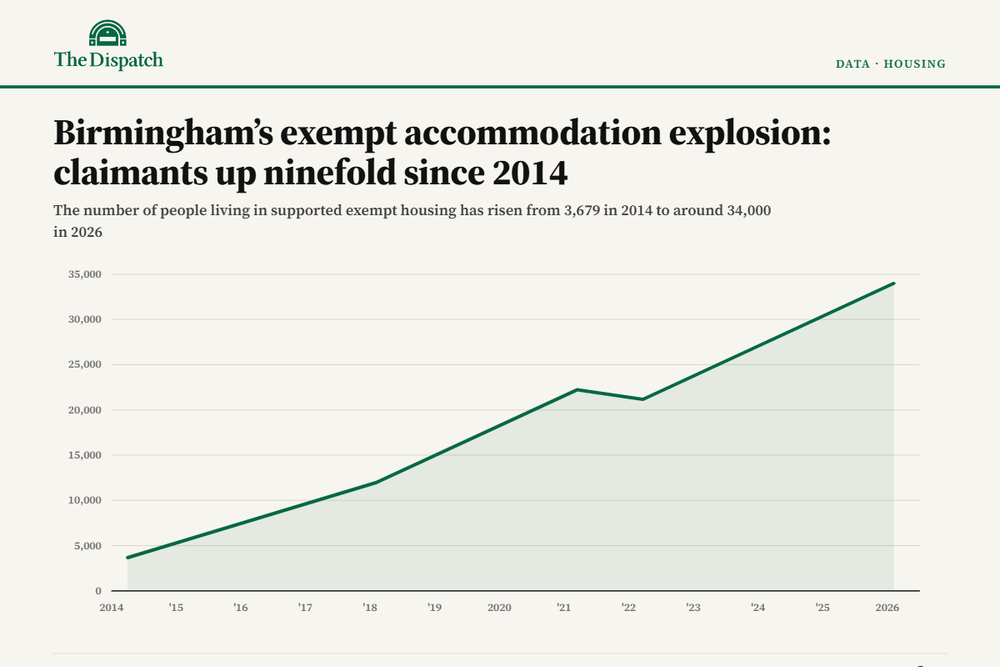
But the government and the city council have seemingly stood by in recent years while the sector has mushroomed in size, now covering more than 34,000 supported exempt accommodation claimants, up from less than 4,000 a decade ago. A recent Dispatch story explaining that increase has been widely quoted by national and local politicians this week in calls for the council to clean up the sector.
An eyewatering £404m was spent on supported exempt housing in the city in 2024-25, while more than half that amount (£211.8m) was spent between only April and July of this year, according to a newly released audit.
And managing agents like Reds have received little or no scrutiny, in part because they are unregulated. Over the next few weeks, our special investigation will bring significant new information to light about these companies and who is benefiting from them.
This week, the council published its delayed internal audit of the sector, revealing that the authority does not know whether 12,700 of the people living in supported exempt housing — around a third of the total — are receiving the support they need. The report does not name or examine any of the hundreds of managing agents who are benefiting from the scandal.
When The Dispatch spoke to a staff member at Reds Housing this week, we were told that tenants receive around an hour of support every week. One woman living in a Reds property told us that a support worker visits for about 10 minutes each day, which mainly consists of filling in a form.
‘This place is rotten’
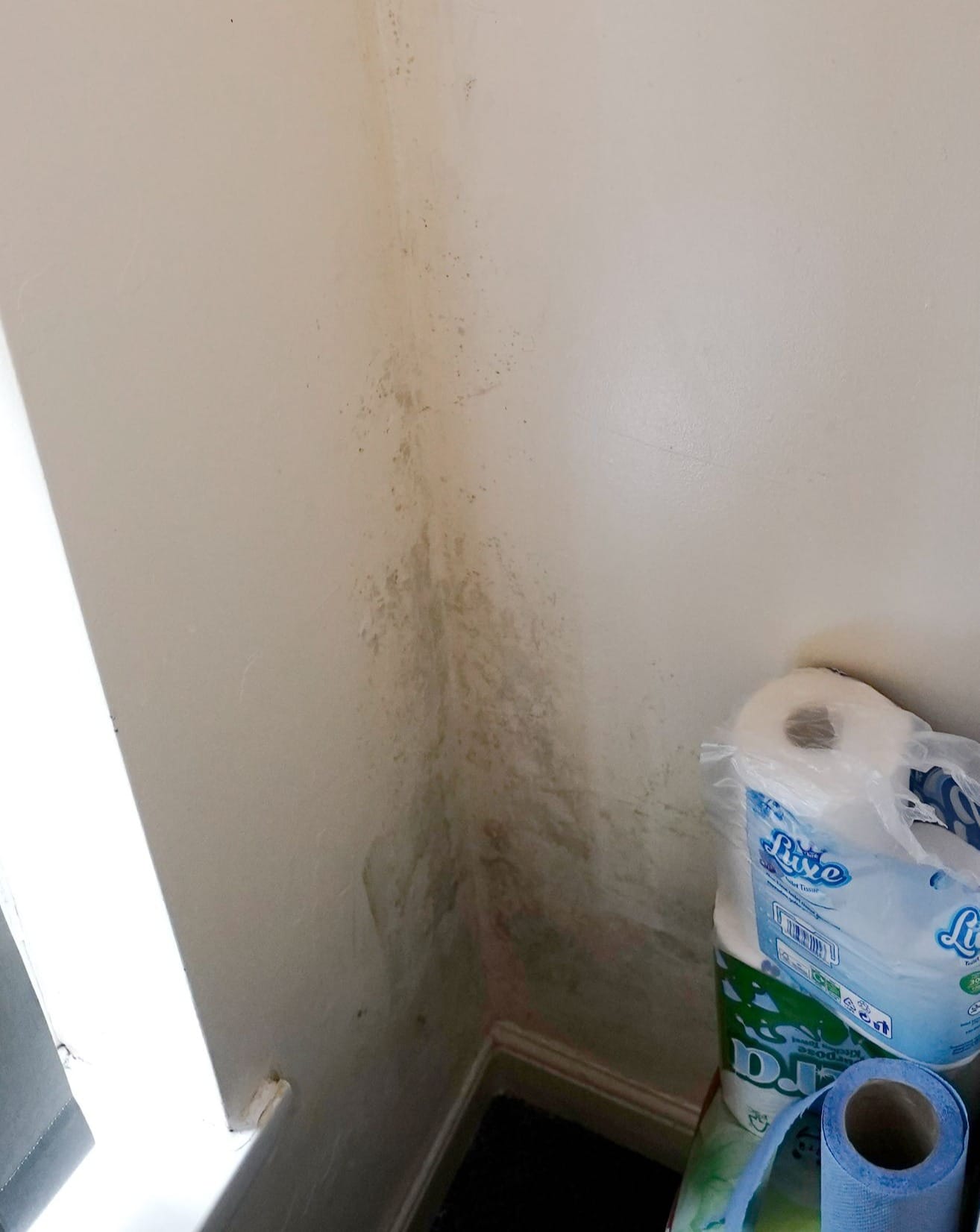
The scenes we witnessed when we entered two exempt accommodation properties managed by Reds were upsetting and should shame our city.
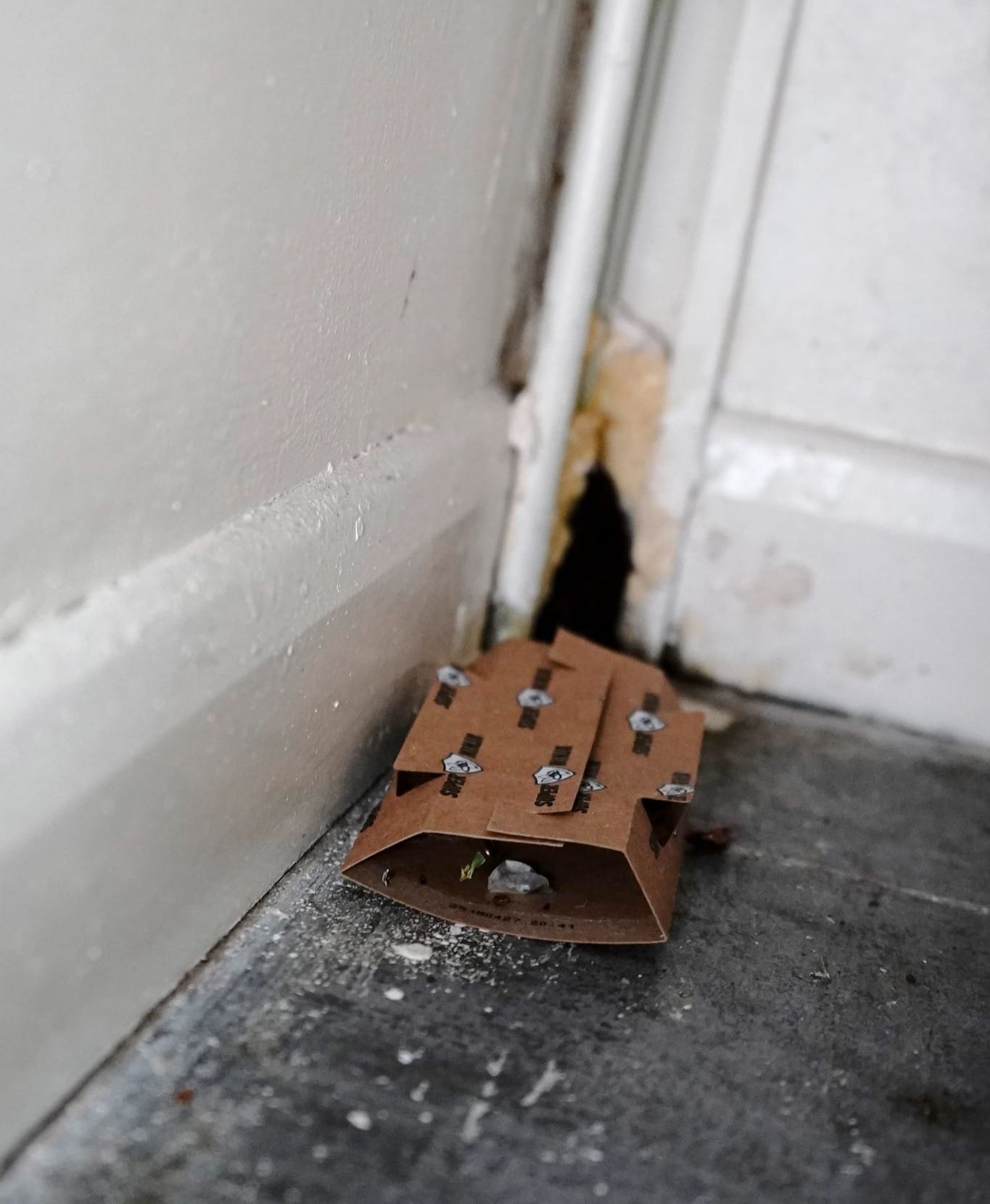
In one property in Handsworth, Mary Roberts wept as she showed us her filthy kitchen filled with cockroach traps. “We get them on the floor, everywhere,” she told us, a fact that was confirmed by another resident in the flat. “They’re on the windows. I had one on my trousers one day…that's how bad it is.”
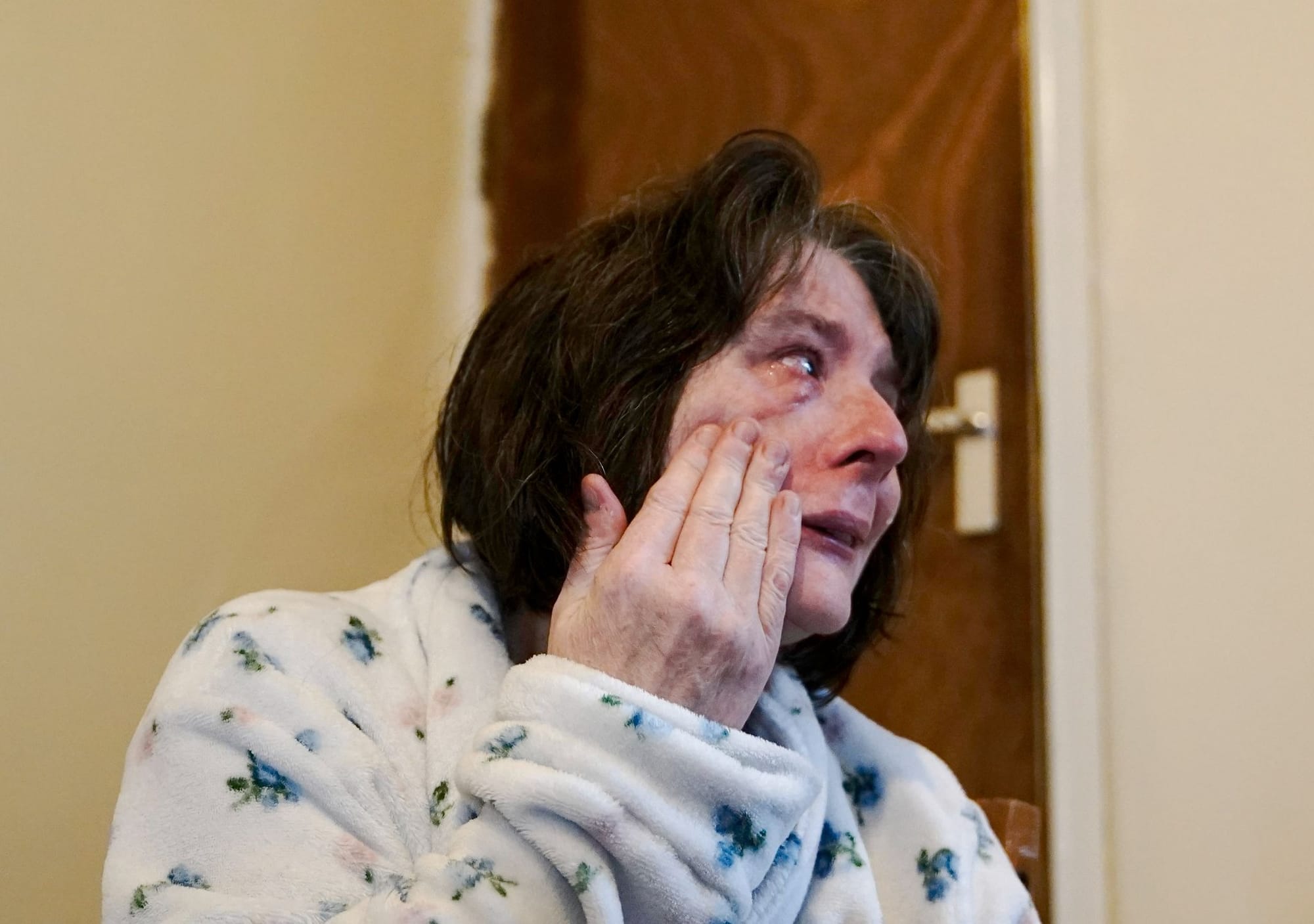
As we speak to her in the living room, Roberts breaks down in tears. “I need to get out here,” she says, shaking in distress. But she doesn’t know how. The support both residents are entitled to receive is not adequate, they say. “What support?” jokes her flatmate, who did not want us to identify him.
Roberts, who was previously homeless, was placed into this property in Birmingham, putting her far away from her three children and grandchildren in Walsall. Mary says she feels very alone in Birmingham, yet can’t afford to go home because it costs “£20 there and back.” She agreed to speak to us and be photographed because she hoped it might spur the authorities to help her. We called back yesterday to make sure she understood the photo would be published to a wide audience, and she said she did.
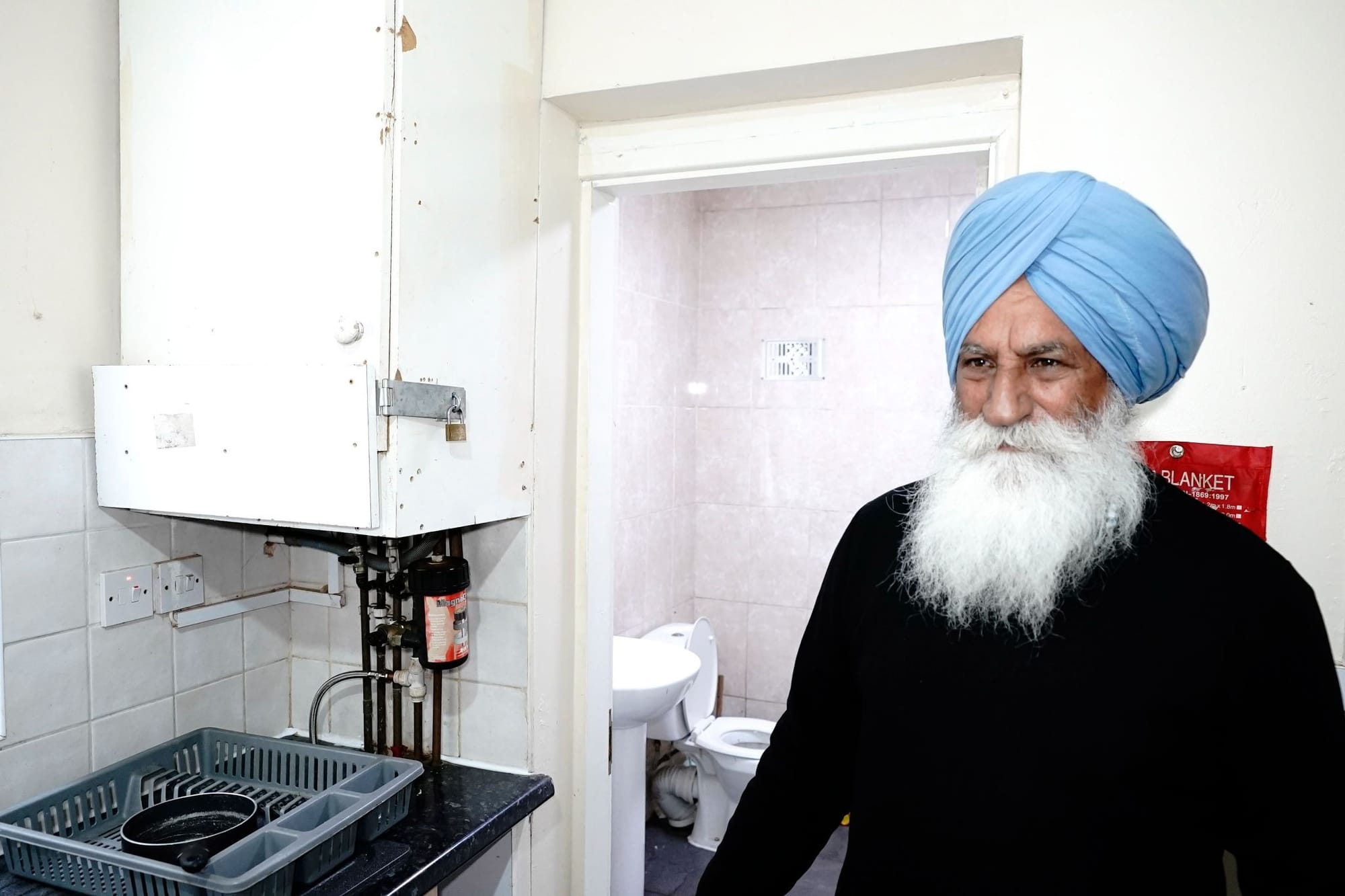
In another house nearby, a man with a crutch lay inert on a sofa in a living room that smelt strongly of urine. We visited twice in two days and found him lying in the same place, surrounded by debris and upturned furniture, his two flatmates looking on in concern. A saucepan of egg shells was sitting on the floor beside him. One of his flatmates, Tarlochan Singh, points to the man on the sofa and says: “This is not good”. We made a decision to publish the photo below as we believe it is important for the public to see the conditions some residents are living in.
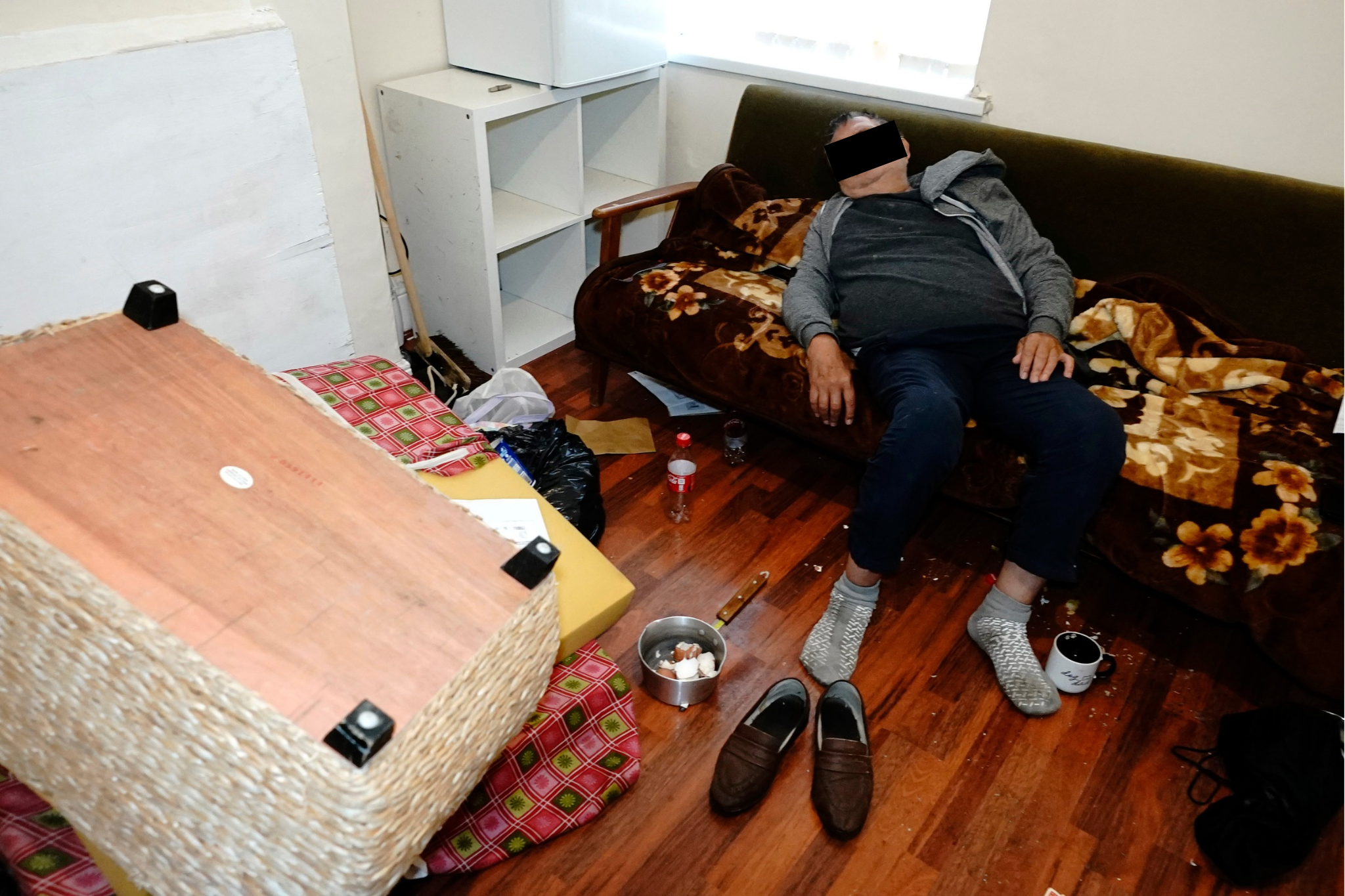
The boilers are locked at both properties, and residents say the houses are freezing at night. Singh points to the lock on the boiler in the kitchen.
In response to our reporting, the council told us that it “does all it can, within the limited powers it has, to ensure residents get the support they need.” A spokesperson added: “Despite the council's efforts, it has long been recognised that there is no adequate regulation for councils to effectively regulate the supported exempt accommodation sector.”
When Reds Housing became aware that The Dispatch was investigating its properties and speaking with tenants, an employee called us and falsely accused us of posing as a housing officer and of stealing an iPad and a laptop from one of the homes. They told us to “be careful” and informed us that they would be reporting us to West Midlands Police.
We have not yet been contacted by the police. But we are publishing today’s story to show how huge sums of public money are leaving this broken system rather than providing the kind of care that is promised by the name “supported housing”.
There are still plenty of things we do not know, including who benefits from the remuneration trust set up by Khaliq-Zaman Khan’s company Reds Housing. Or how many thousands of people are living in the kind of foul conditions we found this week.
But we promise to try to find out, and – with your help – pull back the curtain on this hidden and tawdry world.
If you know more about this story or would like to pass us documents that will help our ongoing investigation into supported housing, please email us or contact us on Signal at olivial33.83.
Our investigations into supported exempt accommodation are shedding light on an issue that has been plaguing the city for far too long. They are free to read - but this doesn’t mean they’re free to produce. Stories like the one you've just read read require reporters, editors, lawyers and photographers, and they often take months.
Every new paying subscriber means we can do more of the journalism this city deserves and needs. We're currently trying to get 1,000 new members by 14 December. In return we are going to fulfil five pledges to the city - plus reinforced numbers mean we can continue to dig for stories like this one.
Be a part of The Dispatch. Subscribe now for just £2.99 for your first two months, or for as little as £55 for the whole year. You won't regret it.



Comments